Lil Pump Trolls Lil Durk with Snitching Claims — The Culture Reacts
By Tanya Brooks, PowerVault Staff There’s a storm brewing in hip hop, and you can almost hear the thunder rolling in from social media. Lil Pump, known for his outlandish antics and chaotic persona, recently decided t...
By Tanya Brooks, PowerVault Staff
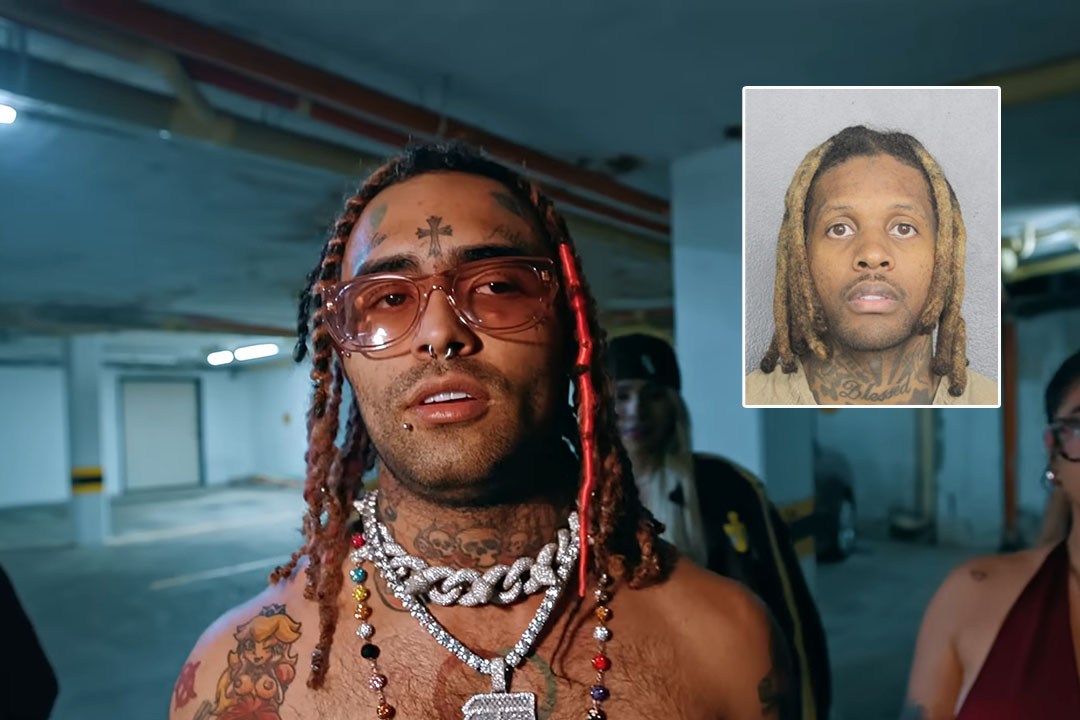
There’s a storm brewing in hip hop, and you can almost hear the thunder rolling in from social media. Lil Pump, known for his outlandish antics and chaotic persona, recently decided to take a shot at Lil Durk while he’s down. With Durk currently facing some serious legal battles, Pump took to Twitter to throw around some snitching allegations. This isn’t just another petty beef; it’s a reflection of the ever-shifting landscape of loyalty, respect, and the sometimes thin line between friend and foe in the rap game.
In a time when authenticity is currency and snitching is the kiss of death, Pump’s comments are more than mere trolling. They come at a moment when Lil Durk is grappling with his own challenges, including a long-awaited trial that has him facing the system head-on. Pump's audacity to poke fun while Durk fights for his freedom raises questions about the ethics of clout chasing. Is there a point where trolling goes too far? Or is this merely a part of the game?
In the heat of the moment, Pump tweeted, “Man, I ain't gonna lie, I thought Lil Durk was a real one. Guess he ain't.” This wasn’t just a jab; it was a calculated attempt to take advantage of Durk’s vulnerability. In an industry where survival often hinges on reputation, accusations of snitching can crush a career. Pump knows this, and the timing of his tweet feels like a low blow. It’s one thing to make fun of someone’s situation; it’s another to weaponize something as serious as snitching claims.
See this post on Instagram
This behavior isn’t new for Pump. Ever since he burst onto the scene with “Gucci Gang,” he’s been synonymous with a kind of chaotic energy that some fans love and others find grating. He’s made a career out of being wild, but there’s a fine line between being authentically yourself and disrespecting someone going through real pain. Pump’s antics often overshadow the music. When his trolling turns into utilizing someone’s legal troubles for clicks and likes, it begs the question: Where does the culture draw the line?
At the same time, it’s impossible to ignore the underlying tensions between these two artists. Lil Durk, hailing from Chicago’s drill scene, carries a weight that comes with street credibility. His music often reflects the harsh realities of his upbringing, dealing with loss and violence. In contrast, Pump comes from a different space, one where clout and spectacle can take precedence over authenticity. This clash of cultures isn’t just about two rappers; it’s emblematic of a generation of artists who navigate fame in vastly different ways.
Digging deeper, this episode neatly encapsulates a larger issue within hip hop: the fragile nature of loyalty. In a space where alliances shift faster than trends, watching artists turn on each other for social media fame feels particularly poignant. It’s reminiscent of earlier beefs, like the tension between 50 Cent and The Game, where public disputes often overshadowed the art. But this scenario is layered, especially since it involves someone like Lil Durk, who’s often portrayed as a beacon of authenticity in an industry replete with fabricated personas.
The racial and class dynamics at play can't be ignored either. Pump, of Latin descent, and Durk, a proud Black artist from Chicago, represent different facets of hip hop culture. When Pump goes after Durk during a time of vulnerability, it raises questions about privilege and the responsibilities that come with it. Is Pump aware or even concerned about the implications of his words? Or is he just chasing the headlines, detached from the struggles that artists like Durk face daily?
Moreover, this is not just a momentary spat; it reflects a growing trend in the industry where artists exploit drama for visibility. The pressures of streaming and social media can create a toxic environment where artists resort to inflammatory remarks instead of fostering real connections. It’s a slippery slope, and when the focus shifts from music to mere shock value, the culture suffers. The art form that once focused on storytelling and community is at risk of becoming a battleground for clicks and likes.
As Lil Durk continues to navigate his legal challenges, this situation begs a larger question for the hip hop community: how do we support our artists while holding them accountable? Pump’s comments might have temporarily elevated his profile, but at what cost? The loyalty to one’s community and the obligation to protect its members should transcend personal gain. In a time when artists are more visible than ever, they have a unique opportunity to influence their fans positively. Pump’s choice to go after Durk suggests a misunderstanding of that responsibility.
Looking toward the future, this moment serves as a reminder of the fragility of reputations in hip hop. Lil Pump may find temporary fame in trolling, but the long-term effects could be detrimental to his career. The hip hop community rewards authenticity, and as trends shift, artists like Durk who remain grounded in their truth will likely emerge stronger. Meanwhile, Pump has to question if he’ll be remembered as a clown or a rapper,because the legacy of an artist is built over time, and moments like this don’t often age well.
The challenge now lies in how fans engage with these narratives. Do they amplify the drama, or do they call for a return to artistry that uplifts and informs? The choice is theirs, and the culture’s evolution depends on the decisions made by both artists and their audiences. So, as this saga unfolds, it’s clear that the conversation is far from over. What happens next could redefine not just these two artists but the very fabric of hip hop itself.