FAMU Homecoming Shooting: What Led to the Tragedy and What's Next
By Andre Coleman, PowerVault Staff In a heart-wrenching turn of events, Florida A&M University's homecoming, a time meant for celebration and unity, was marred by tragedy as a shooting left 12 injured near Bragg Memor...
Advertisement

By Andre Coleman, PowerVault Staff
In a heart-wrenching turn of events, Florida A&M University's homecoming, a time meant for celebration and unity, was marred by tragedy as a shooting left 12 injured near Bragg Memorial Stadium on October 24th. The joyous spirit was shattered when gunfire erupted, casting a shadow over what should have been an evening of celebration. Among the victims were six children, the youngest a mere 11 years old, highlighting the indiscriminate nature of this violence. The incident occurred as the campus was alive with festivities, with NBC News reporting that the violence broke out around 8 p.m., shortly after FAMU's annual homecoming football game. The campus, typically a haven for students and alumni to connect and celebrate their shared heritage, was instead plunged into chaos.
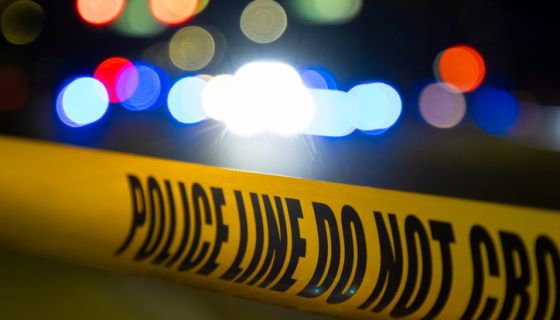
The details surrounding the incident paint a grim picture. According to Tallahassee Police Chief Lawrence Revell, the chaos stemmed from an altercation between individuals that escalated into a shooting. While the motive remains under investigation, preliminary findings suggest it was an isolated incident involving a few people, rather than a premeditated attack. As of early Sunday morning, no arrests had been made, but the police are tirelessly working to piece together the puzzle. The authorities are determined to bring those responsible to justice, scouring through witness testimonies and available surveillance footage. This incident has not only shocked the local community but has also sent ripples of concern through the broader network of HBCUs, where safety during cultural events is paramount.
The toll of the violence is heavy, both physically and emotionally. Out of the 12 injured, 11 had gunshot wounds, while one person sustained injuries attempting to escape the chaos, according to NBC News. The severity of the injuries varies, with three of the victims, including one minor, in serious condition, fighting for their lives in hospital wards. The rest are thankfully stable, but the psychological scars of such an ordeal can linger far beyond physical healing. The victims' identities have not been publicly disclosed, though it’s believed that one might be a Florida A&M student, adding a personal dimension to the tragedy as the campus community grapples with the aftermath.
The official response was swift and crucial in maintaining order amidst the chaos. FAMU issued a statement urging the campus community to steer clear of Perry Street, the area affected by the incident, to allow law enforcement to conduct their investigation without interference. They reassured students and staff that despite the tragedy, the campus remains secure, underlining their commitment to safety and support. Meanwhile, Florida State University, located about a mile away, also advised its community to remain indoors as a precautionary measure, demonstrating solidarity and concern for the broader student population in Tallahassee. These coordinated responses emphasize the importance of community vigilance and the role of institutional leadership in times of crisis.
This violent incident is a sobering reminder of recent shootings at HBCUs during homecoming events. Last year, similar incidents at Alcorn State University and Jackson State University highlighted a growing need for increased safety measures during such celebratory events. It begs the question of why spaces meant for joy and cultural celebration are increasingly becoming the backdrop for violence. As we reflect on these events, it becomes clear that this is more than about isolated incidents but a broader societal issue. It calls for introspection and action from both educational institutions and the communities they serve to ensure these spaces remain sanctuaries of joy and not marred by fear.
Let's take a moment to reflect on how this ties into a broader narrative of safety at major cultural gatherings. These events, often attended by thousands, are designed to celebrate Black excellence and community solidarity, much like how Jay-Z's upcoming Super Bowl performance aims to spotlight Black cultural contributions. Yet, the persistent threat of violence at such gatherings is a chilling reminder that much work remains to create safe spaces for celebration. The repeated instances of violence at cultural events necessitate a collective reevaluation of how safety is prioritized and implemented. We must ask ourselves what measures can be taken to ensure that these gatherings remain joyous occasions that uplift rather than endanger attendees.
We need to address why violence continues to encroach on spaces meant for celebration and unity.
We need to address why violence continues to encroach on spaces meant for celebration and unity.
The conversation we must have isn't just about policing and security measures. It's about addressing the root causes of such violence. Economic disparities, systemic neglect in urban communities, and limited access to resources and education contribute to environments where crime becomes a recourse. This is more than a local issue, it's a national one that affects communities across the United States. To truly address the violence, we must tackle these foundational issues head-on. This means advocating for policies that promote economic equality, investing in education, and ensuring that communities have access to the resources they need to thrive. Only by addressing these systemic issues can we hope to see a reduction in violence.
Furthermore, the optics of violence at Black cultural events inadvertently feed into harmful stereotypes that paint these communities as more prone to violence. This narrative is damaging and doesn't reflect the incredible achievements and positive contributions these communities make, like how Burna Boy's NFL halftime show highlighted global musical talent and cultural pride. These stereotypes are not only misleading but also harmful, perpetuating a cycle of stigma that can have real-world consequences. It's essential to challenge these narratives and highlight the positive contributions and successes within Black communities. By doing so, we can help to shift the perception and ensure that the narrative is one of empowerment and pride.
As the authorities continue their investigation, one can only hope that justice is swift and thorough. But beyond that, there is a pressing need for community-led initiatives to foster peace and uplift communities. This tragic event should serve as a catalyst for change, prompting dialogues about how to tackle systemic issues at the heart of these problems. Community leaders, educators, and policymakers must come together to develop strategies that address the root causes of violence and promote positive change. By working collaboratively, we can create environments that support growth and development, ultimately reducing the likelihood of violence and fostering a sense of community safety and well-being.
Advertisement
Let's also consider the racial dynamics at play. When violence erupts in predominantly Black spaces, it often garners less media attention and less public sympathy than it should. This disparity in coverage and response can make meaningful change harder to achieve. It's time to demand attention equal to the scale of the tragedy. The media plays a crucial role in shaping public perception, and it is vital that they cover these events with the gravity and sensitivity they deserve. By ensuring that these stories are told and given the prominence they warrant, we can help to drive the conversations and actions needed to bring about real change.
As FAMU and the wider Tallahassee community begin the long process of healing, the hope is that this tragic event does not overshadow the essence of what homecoming represents, a celebration of heritage, resilience, and the enduring spirit of the community. Moving forward, let's challenge ourselves to ensure that these spaces remain safe, free from fear, and true to their intent. Our communities deserve nothing less. Homecoming should be a time of joy and togetherness, a moment to honor our history and celebrate our achievements. By working to create environments where safety and happiness are prioritized, we can ensure that these events continue to be a source of pride and inspiration for all.