Fat Joe's 'Middle Class' Comment: What It Reveals About Hip-Hop's Wealth Gap
By Andre Coleman, PowerVault Staff Fat Joe, a hip-hop legend with a career spanning over three decades, sits in a sleek studio setting, sharing a conversation with London Brown on the "Joe and Jada" podcast. The vibe...
By Andre Coleman, PowerVault Staff
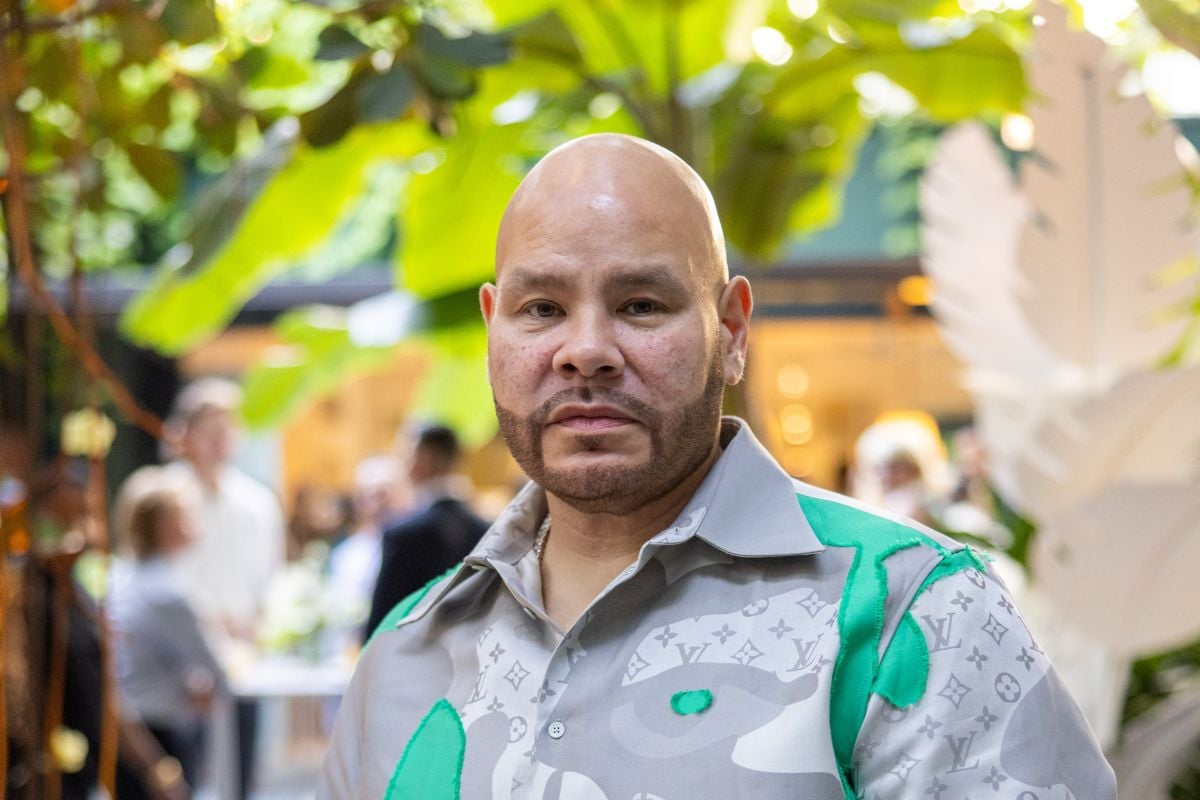
Fat Joe, a hip-hop legend with a career spanning over three decades, sits in a sleek studio setting, sharing a conversation with London Brown on the "Joe and Jada" podcast. The vibe is laid-back, but the discussion cuts deep into the heart of hip-hop's financial scene. It's here that Joe drops a truth bomb, classifying himself as a 'middle-class' rapper at a time when JAY-Z and other hip-hop moguls have elevated to billionaire status. Joe's candid admission shows the vast and ever-widening financial divide in the music industry, a divide that keeps the elite artists in a different stratosphere from those who still hustle hard despite years of success.
The source for this revelation was AllHipHop, where Joe candidly laid out his perspective on the wealth hierarchy in hip-hop. Being in the presence of JAY-Z, the first rapper to touch billionaire status, set a new bar for Fat Joe, igniting a drive to push harder despite the success he’s already achieved. Even with a 34-year career that includes platinum records and cultural influence, Joe humbly places himself among the 'middle-class' rappers, a reflection that says a lot about the deep financial disparities across the industry. It's a recognition that even success doesn't always translate to the massive wealth seen in the industry's upper echelons.
Joe's remarks came during a revealing conversation with London Brown, who was discussing the relentless grind and hustle that even successful actors endure in Hollywood. Joe took this moment to reflect on his own journey, recognizing the gap between his career and the billionaire ballers of hip-hop like JAY-Z. With Forbes estimating JAY-Z's net worth at an eye-popping $2.8 billion, Joe's acknowledgment of this gap isn't just self-reflection, it's a reality check for the industry. The video of this candid conversation is below, offering fans a chance to see the raw honesty of a rapper who’s seen it all and still keeps pushing.
When you peel back the layers, Joe’s statement is more than just a reflection on personal wealth, it's an examination of how hip-hop's financial hierarchy operates in today’s world. JAY-Z, for example, didn't build his empire solely on record sales. His sharp business instincts turned Roc Nation into a powerhouse through key investments in brands like Armand de Brignac champagne and D'Usse cognac. Joe, on the other hand, with ventures like his Rewind It 10 brand, is also making strategic moves in the business world, but the scale and stakes are vastly different. It’s a reminder of how diverse business ventures can redefine success in the music industry.
Joe’s words strike a chord with many artists who find themselves somewhere in the middle of the hip-hop wealth spectrum. Even though he’s branching out into business and podcasting, with a Netflix video podcast to his name, the gap between him and the elite is glaringly obvious. Yet, instead of seeing this gap as discouraging, Joe uses it as a driving force. After leaving a JAY-Z event, he found himself in his Sprinter, reflecting on the evening, and thinking to himself, 'I got some work to do.' It’s this mindset that keeps him grounded and always striving for more.
This isn't the first time hip-hop has faced a reckoning with how wealth is distributed. When JAY-Z hit the billion-dollar mark back in 2019, it signaled a turning point for the industry. Artists started realizing the importance of diversifying income streams beyond just music. The rise of independent artists mirrors this trend, as they seek financial independence by controlling their own narratives and business ventures. This shift is reminiscent of the cultural transformation of the 1990s when hip-hop broke through as a dominant musical force. Now, the industry is once again being reshaped, as artists handle new ways to secure their financial futures.
Hip-hop’s wealth gap is more than just figures; it’s a reflection of the broader economic disparities that exist in society. The billionaires are stacking their chips, but what about the rest?
The real flex isn’t stacking billions; it’s about what you do with what you’ve got.
There's a lesson here for both artists and fans alike. The real flex in this game isn't about stacking billions; it's about maximizing what you have and making a lasting impact. Fat Joe may not hold the billionaire title, but he's a titan in his own right, leaving an lasting mark on culture, community, and the industry as a whole. His journey serves as a powerful reminder that success isn't solely measured in zeros. It's about influence, legacy, and the ability to inspire others. Joe's career is proof of the fact that real success is about making meaningful contributions to the world around you.
For the industry, Joe's comment acts as a wake-up call that can't be ignored. It's high time to re-evaluate how wealth is distributed and scrutinize the gatekeepers who control the flow of money. Artists across all levels need more access to opportunities that allow them to expand their horizons beyond just music. Companies must rethink their business models to support and nurture talent at all tiers, not just cater to the top 1%. If the industry wants to thrive, it needs to foster a more inclusive environment where all artists have the chance to succeed and innovate.
For the community, it's crucial to recognize the immense power of influence that artists like Joe wield. These artists use their platforms to inspire change and motivate others, proving that hard work and determination can break down barriers. However, it's equally important to highlight the need for mutual support and collaboration instead of competition. By lifting each other up and working together, the community can create a more equitable environment where everyone has a shot at success. It’s about building bridges and fostering an ecosystem where talent is celebrated and nurtured.
Race and class are deeply intertwined in this narrative. Hip-hop, born from the struggles of marginalized communities, now confronts an internal battle with the forces of capitalism. The billionaires of hip-hop, predominantly Black men, have managed to achieve incredible wealth in a world that was not designed for their success. But as they climb higher, the pressing question becomes: how do we elevate others alongside us? The challenge is finding ways to uplift and empower those still struggling, ensuring that the success of a few can lead to broader opportunities for many within the community.
Looking ahead, it’s clear that hip-hop stands at a significant crossroads. The culture has always been about breaking barriers and pushing forward against all odds. Artists like Joe serve as reminders that while the hustle never stops, there’s also a responsibility to uplift those who come next. As the industry continues to evolve, so too must our definitions of success. Perhaps the future isn't about who reaches a billion first, but instead, about who makes the most meaningful impact on their journey to the top. It's about paving the way for the next generation and ensuring that the culture continues to thrive.



