Gail Bean Takes Center Stage in 'The Drop' — A New Era for Black Women in Hollywood
By Renee Fontaine, PowerVault Staff Picture this: a world where dreams are no longer deferred, where the underdog rises to claim her crown, and where the narrative is no longer solely about survival but about thriving...
Advertisement

By Renee Fontaine, PowerVault Staff
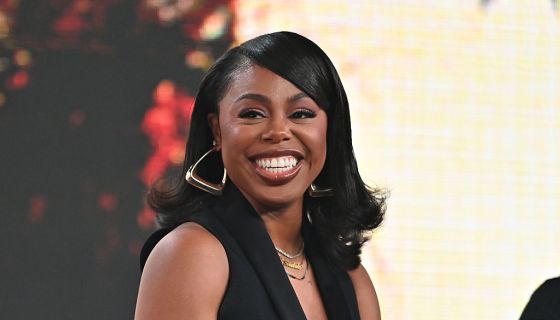
Picture this: a world where dreams are no longer deferred, where the underdog rises to claim her crown, and where the narrative is no longer solely about survival but about thriving. Enter Gail Bean, the star of FX's latest venture, The Drop: A Snowfall Saga. This isn’t just a spinoff; it’s a full-fledged takeover, showcasing a character who has transformed from the streets to the studio, embodying resilience and ambition. It’s about time we celebrated the women who refuse to dim their light, and Bean’s portrayal of Wanda does just that.
Since her breakout role in Snowfall, viewers have watched Wanda evolve from a character grappling with addiction to a woman who is now fully stepping into her power. In The Drop, Wanda is ready to conquer the booming West Coast music scene, pushing the narrative beyond the stereotypical tropes that often engulf Black female characters. This is a significant shift in representation, moving toward a more authentic depiction of Black women as multifaceted individuals. It’s like we’re finally getting the movie we’ve been waiting for , one that centers on ambition, creativity, and the hard work that goes into making it in an industry that too often sidelines our stories.
In a time when the entertainment industry is slowly waking up to the idea that Black stories deserve to be told and celebrated, Bean’s rise serves as a powerful reminder of what’s possible. The narrative of struggle has been told a million times, and while those stories matter, they can’t be the only stories we tell. With The Drop, we see a character who is not just surviving but thriving, and in doing so, Bean invites the audience to dream bigger.
View this post on Instagram
But let’s not forget the backdrop against which this rise is taking place. The world of entertainment has often been unkind to Black women, frequently relegating them to roles that serve as mere accessories to male narratives. The fight for representation in Hollywood isn’t just about getting a seat at the table; it’s about flipping the table entirely and making space for new stories. Bean’s journey is emblematic of a broader cultural movement where Black women are demanding to not only be seen but to be heard and celebrated for their contributions. This power shift isn’t just a trend; it’s a revolution.
Wanda's new storyline in The Drop isn’t merely an escape from her past; it’s a leap into the future. She’s not just chasing dreams; she’s creating them. By setting her sights on the music industry, the series opens up a dialogue about the intersection of culture, art, and identity. The music scene on the West Coast has always been a hub of innovation, and Wanda’s presence there symbolizes a reclamation of creative space. It’s a nod to the many artists who have come before her, paving the way for new talents while also acknowledging the ongoing struggles against systemic barriers in the industry.
The cultural implications of Bean’s portrayal of Wanda extend beyond just a single character. They reflect a collective yearning for narratives that resonate with the lived experiences of many Black women. In a culture that often emphasizes individualism, Bean reminds us that community and shared experiences are equally vital. Her rise is a testament to the power of storytelling that honors both struggles and triumphs, and there’s an undeniable authenticity in how her character navigates the complexities of life. This isn’t just Wanda’s story; it’s the story of countless Black women who have fought for their voices to be heard.
Bean’s performance raises an essential question: what does it mean to truly empower a character? It’s not just about strength; it’s about vulnerability, growth, and the willingness to take risks. As audiences tune in to see Wanda’s journey, they are also invited to reflect on their own paths. The show captures a dynamic energy that resonates with the current cultural climate, where young Black creatives are reclaiming their narratives and demanding more from the spaces they inhabit. This reflects a broader societal shift toward accountability, where artists are challenging the status quo and redefining what success looks like.
As conversations around representation continue to evolve, the entertainment industry faces a crucial test: will it rise to the occasion and support more stories like Wanda’s? Black women are not just customers in this narrative but are also the architects of their futures. The demand for authenticity and diversity in storytelling is louder than ever, and productions that fail to recognize this will undoubtedly be left behind. Bean's journey serves as a clarion call for networks and studios to invest in stories that matter, to understand that the audience is hungry for more than just surface-level narratives.
The power of The Drop lies in its ability to reflect the complexities of life while also providing much-needed representation. The show is a celebration of resilience and creativity, proving that stories of empowerment are not just necessary but critical. As Wanda steps into her power, she also invites the audience to do the same, challenging them to pursue their dreams fearlessly and unapologetically. This isn’t just a moment; it's a movement.
Advertisement
Looking ahead, the anticipation surrounding The Drop is palpable. Viewers are not merely watching a show; they are witnessing the emergence of a star whose future is bright and who embodies the spirit of a generation. As Bean continues to navigate her career, it will be exciting to see how she challenges the boundaries of storytelling and representation. The world is ready for more and better narratives that reflect the richness of Black experiences, and with talent like Bean at the forefront, the future looks promising.
In a world where the status quo often stifles creativity, it’s crucial for audiences to support projects that uplift diverse voices. The Drop isn’t just a series; it’s a clarion call for those who dare to dream. So, as Wanda takes her steps toward greatness, let’s honor those journeys by championing the stories that empower us all. The next chapter of Black storytelling is unfolding, and we have a front-row seat.