
GloRilla's New Track Faces Backlash: Here's Why She Doesn't Care
By Marcus Ellison, PowerVault Staff GloRilla is back in the spotlight, unapologetically standing her ground against critics as she prepares to drop 'Jiggly Bow Bow' with Sexyy Red this Friday. The track is already sti...
Advertisement

By Marcus Ellison, PowerVault Staff
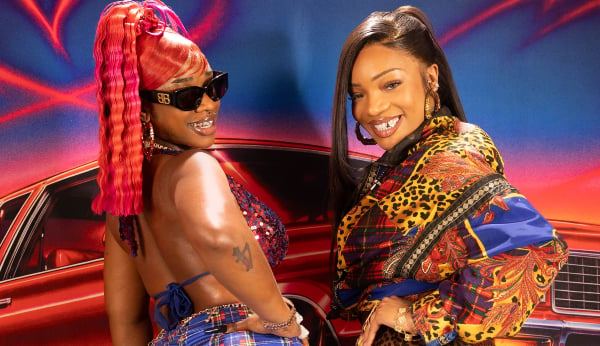
GloRilla is back in the spotlight, unapologetically standing her ground against critics as she prepares to drop 'Jiggly Bow Bow' with Sexyy Red this Friday. The track is already stirring up conversations due to its provocative nature, but GloRilla isn’t one to shy away from controversy. Addressing backlash head-on, she posted online to assert her autonomy, making it clear she's doing things her way, no matter how loud the noise gets. This boldness isn't just a stance; it's a declaration of independence in an industry where artists are often pressured to conform. GloRilla's refusal to back down showcases her commitment to authenticity, a quality that resonates deeply with fans who value realness over polished personas.
The forthcoming single with Sexyy Red has sparked a mix of excitement and criticism, as reported by Billboard. Known for their previous chart-toppers 'Whatchu Kno About Me' and the GRAMMY-nominated 'Sticky,' GloRilla and Sexyy Red have proven they can shake the industry with their raw, unapologetic style. 'Jiggly Bow Bow' is no exception, drawing attention for its bold lyrics and daring themes. This type of controversy often shadows success, especially in a genre that thrives on pushing boundaries. The duo's ability to ignite conversations reflects their influence, showing that their artistry is not just about creating hits but also about challenging societal norms and sparking dialogue in the culture.
Rumors about GloRilla's personal life only seemed to fuel the flames this week, but she's not letting that distract her. On X (the platform formerly known as Twitter), GloRilla clapped back at detractors with a bold message, 'And I’m kindly saying f*ck y’all, I do what I want.' Her words were a direct challenge to those who think they can dictate her creative choices or personal life. This kind of candidness is rare and refreshing in an industry often shrouded in PR spins and calculated images. GloRilla’s transparency and defiance are proof of her desire to control her narrative, proving that she’s not just an artist but a force to be reckoned with.
The decision to team up again with Sexyy Red seems strategic for GloRilla, considering the duo's proven hit-making chemistry. Their collaboration is not just about making music; it's about creating a movement that embodies boldness and fearless expression. The rumored duet album is highly anticipated by fans who are eager for more of the duo's unfiltered energy. Despite the divisive reception of their bold style, the numbers speak for themselves, streaming metrics and chart positions often quiet the naysayers. This partnership is more than a business move; it's a powerful statement about unity and strength in a competitive industry that often pits artists against each other.
Criticism of GloRilla and Sexyy Red isn't new. Their style, often deemed too explicit by conservative critics, is part of a larger narrative in hip-hop where female rappers constantly handle double standards. In a genre that celebrates male bravado, women are often criticized for the same traits that male artists are praised for. This backlash isn't just about music; it's a reflection of the cultural discomfort with women exercising control over their narratives. By challenging these norms, GloRilla and Sexyy Red are not just making hits, they're breaking barriers, forcing the industry and its audience to confront their biases and rethink what it means to be a woman in hip-hop.
Historically, this kind of uproar isn't unfamiliar territory. In the early 2000s, artists like Lil' Kim and Foxy Brown faced similar criticisms for their unapologetic approach to sexuality in music. These women were trailblazers, challenging the industry's narrow definitions of femininity and artistry. The backlash they faced is a reminder of how the industry, and society, often struggles to reconcile a woman's agency with its expectations. This history is important because it shows a pattern of resistance and resilience among female artists who refuse to be boxed in by outdated notions of what they should be. GloRilla and Sexyy Red are continuing this legacy, pushing forward in a space that still grapples with accepting women's full autonomy.
This is more than about GloRilla's music; it's about challenging the status quo.
GloRilla and Sexyy Red are handling the relentless scrutiny of an industry that loves controversy.
GloRilla's response to critics highlights an important facet of modern hip-hop. As the genre evolves, artists are increasingly taking ownership of their narrative, dismissing the notion that they must conform to traditionalist views. GloRilla's defiance is emblematic of a broader movement within the industry where artists reject being pigeonholed. This shift is significant because it reflects a growing demand for authenticity and self-expression in an industry often dominated by commercial interests. By standing her ground, GloRilla is not just defending her art, she's redefining what it means to be an artist in today's music scene, where the power dynamics are slowly but surely shifting in favor of the creators.
The industry dynamics are also at play here. Major labels recognize the marketing power of controversy, often walking a fine line between supporting their artists and capitalizing on the backlash. GloRilla and Sexyy Red are handling the relentless scrutiny of an industry that loves controversy but is quick to shift blame. Labels understand that controversy sells, but they also know that too much can damage an artist's brand. This delicate balance requires artists to be savvy about how they manage their public image and respond to criticism. GloRilla and Sexyy Red's approach demonstrates their understanding of these dynamics, showing that they are not just artists but also astute businesswomen who know how to play the game.
For the audience, the discourse around 'Jiggly Bow Bow' reflects the ongoing tension between consumer expectations and artistic expression. Hip-hop is, after all, a reflection of real life, a place where taboo topics find a voice. The evolving nature of the genre means that listeners must decide whether they'll embrace its growth or cling to outdated norms. This tension is a crucial aspect of hip-hop's identity, as it challenges listeners to expand their perspectives and engage with the art on a deeper level. By confronting these issues head-on, GloRilla and Sexyy Red are not just making music, they're sparking important conversations about freedom, creativity, and the role of art in society.
Underpinning this saga are deeper issues of race and class. The criticism often levied at female rappers like GloRilla and Sexyy Red is rooted in societal discomfort with Black women openly discussing their sexuality and ambitions. This backlash isn’t just about the lyrics, it’s about who gets to speak their truth and how. At a time when Black women's voices are often marginalized or silenced, GloRilla and Sexyy Red's boldness is a radical act of resistance and self-affirmation. By refusing to be silenced, they are challenging the systemic structures that seek to limit their voices and redefining what it means to be a woman in hip-hop, making space for more diverse and authentic narratives.
Advertisement
Looking ahead, 'Jiggly Bow Bow' is poised to make waves, whether through streams or cultural conversations. GloRilla's stance is a strong reminder that in an industry obsessed with image and perception, authenticity still reigns supreme. For those watching, the real story is about challenging the narratives we accept, whether in the music industry or in our own lives. The track's impact will likely extend beyond the charts, prompting discussions about freedom, expression, and the power of staying true to oneself. As the music world continues to evolve, GloRilla's journey will serve as proof of the enduring power of authenticity and the transformative potential of hip-hop.
More from PowerVault Network:
