Grandmaster Hip Hop Awards 2026: Kurtis Blow Finally Gets His Flowers in Las Vegas
By Marcus Ellison, PowerVault Staff Kurtis Blow, the pioneering rapper who blazed trails with “The Breaks,” is set to receive well-deserved recognition at this year's Grandmaster Hip Hop Awards. Held at the iconic Bel...
Advertisement

By Marcus Ellison, PowerVault Staff
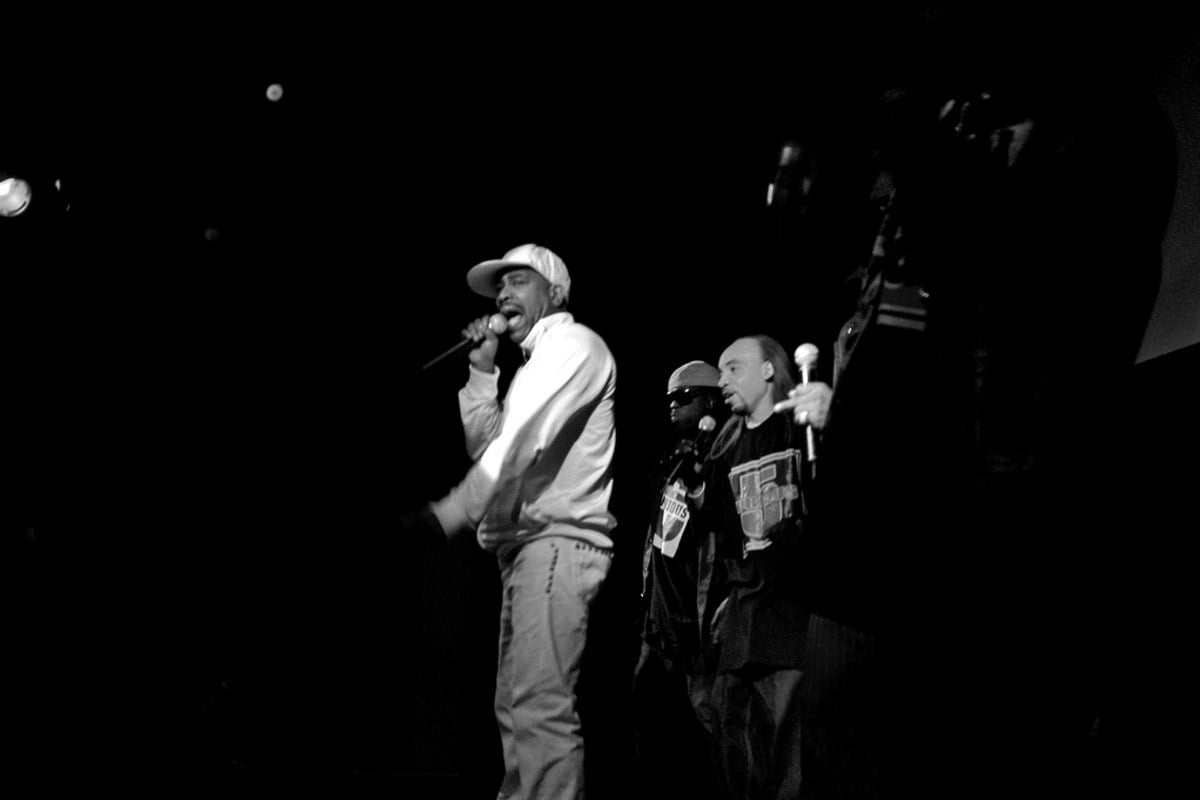
Kurtis Blow, the pioneering rapper who blazed trails with “The Breaks,” is set to receive well-deserved recognition at this year's Grandmaster Hip Hop Awards. Held at the iconic Bellagio in Las Vegas, the event promises a night of celebration for the legends who crafted hip-hop's early narrative into what it is today. Blow's recognition isn't just about honoring a single track; it's about acknowledging the vast contributions he's made to the genre and the culture over nearly five decades. From being the first rapper signed to a major label to producing hits for the Fat Boys, Blow's influence runs deep, shaping the beats and business acumen that define hip-hop. As he gears up for potential new ventures, including a Las Vegas residency, his legacy continues to inspire and innovate.
The Grandmaster Hip Hop Awards, hosted by the Paid in Full Foundation, is now in its fourth year, returning to Bellagio's Tower Ballroom. According to the Las Vegas Review-Journal, this year's lineup promises appearances and performances by the likes of Nas, Ice Cube, Grand Puba, and Reverend Run. Not just a night of entertainment, the gala serves to honor trailblazers such as Blow, reminding us of the foundational beats that have shaped hip-hop into a global movement. It's about more than just the music; it's a celebration of the culture and the community that have propelled hip-hop to the forefront of worldwide influence. As icons and newcomers alike gather under one roof, the night proves the genre's evolution and enduring legacy.
Kurtis Blow's career isn't just historic for his groundbreaking tracks. Blow became the first solo rapper to go gold with “The Breaks” in 1979, setting a high bar for hip-hop's commercial success. Beyond his hits, Blow has played significant roles behind the scenes, producing for the Fat Boys and founding the Hip Hop Church in 2004. His efforts in establishing the Universal Hip Hop Museum in the Bronx and contributions to the National Hip Hop Museum show his dedication to preserving hip-hop's legacy for future generations. His work ensures that the stories and sounds that built hip-hop are not lost to time but celebrated and studied. As we honor his achievements, we are reminded of the power of preservation and the importance of remembering where we came from.
Blow's influence extends beyond music and into advocacy. He's actively involved with the Hip Hop Alliance, a labor organization aiming to secure fair wages, royalties, and benefits for artists. Speaking to the Las Vegas Review-Journal, Blow described hip-hop as “speech with a beat,” a sentiment that captures the genre's power and potential. This advocacy reflects his commitment to ensuring that artists receive their due respect and compensation, safeguarding the future of hip-hop. His consideration of a Las Vegas residency next January suggests that Blow isn't closing the chapter on his career just yet. Instead, he seems poised to continue shaping the genre's future from a new stage, bringing the energy and spirit of hip-hop to new audiences in the entertainment capital of the world.
But it's not just about Kurtis Blow. The awards will also honor The D.O.C. With the main Grandmaster Award for his crucial contributions to the success of N.W.A, Eazy-E, and Dr. Dre. Ralph McDaniels, a major player in bringing hip-hop to TV screens with Video Music Box, will receive the Contributor Award. And let's not overlook Nile Rodgers, set to receive the Quincy Jones Award, a nod to his influence in laying the musical groundwork for hip-hop. These honorees collectively represent the diverse talents and roles that have fueled hip-hop's rise, from lyrical mastery and production genius to the visual storytelling that brought hip-hop into living rooms around the world. Their recognition is a celebration of the layered artistry that defines the genre.
The Grandmaster Hip Hop Awards isn't an isolated celebration. It reflects a larger movement within the culture to honor its roots. Last year's event also spotlighted major players like Kool G Rap and George Clinton, solidifying the awards as a staple in recognizing hip-hop’s foundation. This event fits into a broader pattern of recognizing and celebrating Black excellence, similar to Tennessee State University's recent homecoming showcasing Black excellence. By honoring these foundational figures, the awards contribute to a cultural narrative that values history, acknowledges progress, and inspires future generations. In a society where Black contributions are often overlooked, these awards serve as a beacon, affirming the importance of recognizing and uplifting the voices and stories that have shaped the world.
Hip-hop isn't just about beats and rhymes; it's a living testament to resilience, creativity, and community. The recognition of pioneers like Blow shows the importance of understanding where the movement started to appreciate where it can go.
As hip-hop continues to evolve, recognizing its foundation isn't just a nod to the past; it's a guide for its future.
What does all this mean for the icons being celebrated? For Kurtis Blow and his peers, these awards offer a moment to reflect on their contributions. It’s a reminder that their work laid the foundation for the artists who followed, shaping the soundtracks of generations. These moments of recognition are vital to preserving their legacy and ensuring that new fans understand the depth and breadth of their impact. As today's artists build on the paths they've paved, acknowledging these pioneers ensures that their influence is not forgotten. It bridges the gap between past and present, enabling a richer, more complicated understanding of hip-hop's evolution and its enduring relevance in a rapidly changing musical scene.
For the industry, this marks a turning point of reflection. In an era where the next big thing in music seems to change with every TikTok trend, recognizing the genre's origins is crucial. As hip-hop continues to evolve, recognizing its foundation isn't just a nod to the past; it's a guide for its future. Just like Ken Carson's Roblox Halloween signals shifts in hip-hop's future, these awards anchor the genre in its rich history. By honoring those who laid the groundwork, the industry can chart a path that respects the past while embracing innovation. This balance is essential for maintaining hip-hop's authenticity and ensuring its continued vitality in the ever-evolving world of music.
The audience tuning in and attending such events are not just passive spectators but active participants in this cultural movement. Celebrating these legends ignites conversations within the community. It challenges younger fans to dig deeper into the roots of their favorite tracks and to appreciate the journey of hip-hop's trailblazers. These interactions foster a sense of community and continuity, connecting fans of all ages to the genre's rich history. By engaging with these stories, fans contribute to the ongoing narrative of hip-hop, ensuring that its legacy is not only preserved but also expanded upon. This active participation is crucial for keeping the culture vibrant and relevant in today's fast-paced digital age.
Advertisement
Peeling back the layers reveals a broader dialogue about race, class, and recognition in the industry. It's no secret that Black artists have historically faced uphill battles for recognition, fair pay, and control over their work. The sustained celebration of hip-hop pioneers serves as both a triumph and a reminder of the ongoing fight for equity and acknowledgment within the entertainment industry. By spotlighting these issues, the awards highlight the disparities that still exist and the work that remains to be done. They challenge the industry to continue pushing for fairness and justice, ensuring that the contributions of Black artists are valued and respected. This dialogue is essential for creating a more equitable and inclusive music scene.
As we look ahead, the challenge for hip-hop will be to balance honoring its past while continuing to innovate for the future. What stories will be told next? Which voices will rise to define the new era? The Grandmaster Hip Hop Awards not only celebrate the past but also fuel the conversation about the future, making it clear that hip-hop’s story is far from over. Let's see where this journey takes us next. The genre's ability to adapt and evolve will determine its longevity, and these awards serve as a compass, guiding hip-hop toward a future that honors its roots while embracing new possibilities. As we continue to celebrate these icons, we also look forward to the fresh sounds and stories that will shape hip-hop's next chapter.