Historic 2026 Midterms: Black Governors Make History
By Marcus Ellison, PowerVault Staff The 2026 midterm elections have made history with groundbreaking wins for Black candidates, marking a seismic shift in American politics and setting a new precedent for diversity in...
Advertisement

By Marcus Ellison, PowerVault Staff
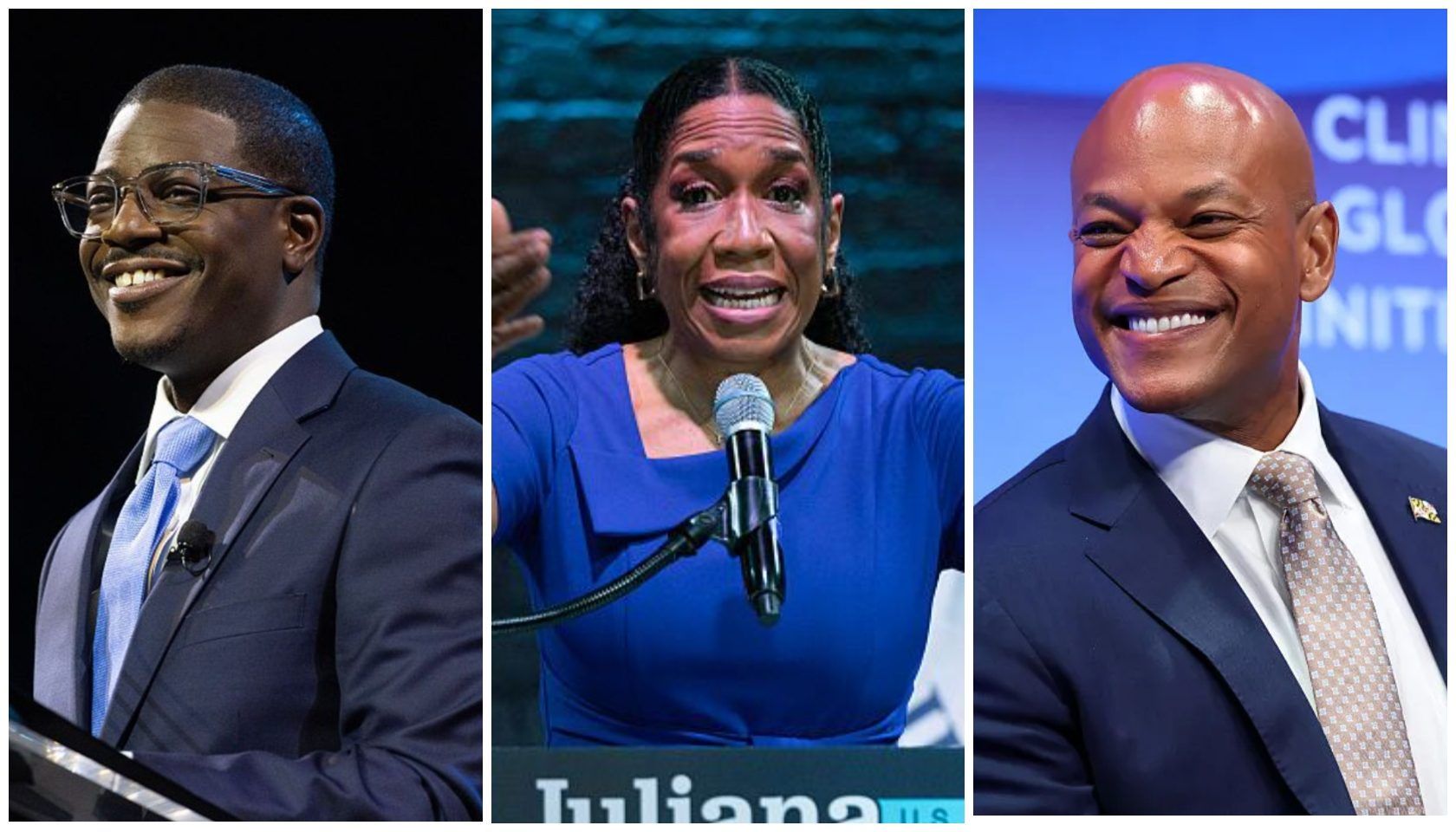
The 2026 midterm elections have made history with groundbreaking wins for Black candidates, marking a seismic shift in American politics and setting a new precedent for diversity in leadership. Keisha Lance Bottoms has solidified her place in history as the first Black woman to be elected governor in the United States, taking Georgia by storm with her win against Republican Rick Jackson. Her victory is not just a personal triumph but a monumental moment for Black women across the nation, showcasing the power of perseverance and community support in overcoming systemic barriers. Bottoms' campaign, which emphasized progressive policies and grassroots engagement, resonated deeply with a diverse electorate eager for change. Her leadership promises to usher in a new era where the voices of marginalized communities are not just heard but actively shape the political scene.
According to Black America Web, the victories of Black candidates were numerous, breaking racial barriers and signaling a new era in political representation that amplifies the voices of historically marginalized communities. Alongside Bottoms, David Crowley claimed a historic win as Wisconsin's first Black governor, proof of the state's evolving political climate and the growing demand for inclusive leadership. Meanwhile, Aaron Ford made history in Nevada by becoming the state's first Black governor after defeating Republican Joe Lombardo. Ford's win reflects a broader shift in Nevada's political demographics, highlighting the increasing influence of diverse communities. These victories are not just about individual achievements; they represent a collective movement towards a more equitable political system that prioritizes inclusivity and justice for all.
Wes Moore's reelection as the governor of Maryland, coupled with these historic wins, marks the first time in U.S. History that multiple Black governors are serving concurrently, a significant milestone in American politics. Moore, known for his progressive policies and charismatic leadership, continues to galvanize support for Black political excellence, inspiring a new generation of leaders to strive for systemic change. His policies, which focus on education reform, economic equity, and criminal justice reform, resonate with a diverse electorate seeking transformative leadership. Moore's ability to connect with constituents and address pressing issues has solidified his place as a trailblazer in the political arena, reinforcing the importance of representation and the impact it has on shaping policies that reflect the needs of all citizens.
As if the gubernatorial victories weren't enough, the U.S. Virgin Islands saw its first-ever Black female governor, with Stacey Plaskett taking office. Her leadership promises to bring a fresh perspective and commitment to addressing the unique challenges faced by the region, including economic development, environmental sustainability, and healthcare accessibility. Plaskett's election is a turning point for the Virgin Islands, symbolizing a new chapter in the territory's political scene. Her experience and dedication to public service are expected to drive significant policy changes that prioritize the well-being of the residents and foster a more inclusive and equitable society. Plaskett's historic win is not just a victory for the Virgin Islands but a beacon of hope for women of color aspiring to lead and effect change in their communities.
In the Senate, Illinois is now home to two women of color serving simultaneously, with Stratton becoming the fifth Black woman elected to the U.S. Senate. Her win signifies a transformative moment, as we witness three Black women serving in the Senate at the same time for the first time in history. Stratton's election is a powerful testament to the increasing influence of Black women in shaping national policy and advocating for social justice. Her legislative priorities, which include healthcare reform, economic equity, and criminal justice, align with the needs of her constituents and reflect a commitment to addressing systemic inequalities. This unprecedented representation not only challenges the status quo but also paves the way for future generations of women of color to rise to positions of power and make their voices heard.
These wins reflect a significant cultural shift, harking back to the days of Black suffrage movements and the tireless fight for voting rights. Today, we celebrate not just electoral victories but a political awakening that recalls the spirit of leaders like Shirley Chisholm and Jesse Jackson. Their legacies continue to inspire a new generation of Black leaders who are committed to dismantling systemic barriers and championing equitable policies. With more Black individuals holding office, there's hope that diverse perspectives will lead to more equitable policies that address the needs of all communities. This moment is proof of the resilience of the Black community and its unwavering commitment to creating a political scene that truly represents the rich diversity of America.
But the story doesn't end here; it's only just beginning.
The celebration of these historic wins is not just about breaking barriers; it's about reshaping the political scene for future generations.
The celebration of these historic wins is not just about breaking barriers; it's about reshaping the political scene for future generations. Black political leaders are now more equipped than ever to influence policy decisions that align with the needs and aspirations of their communities. This is a triumph not just in political halls but in the hearts of those who have long been marginalized. The significance of these victories extends beyond the immediate political sphere, resonating deeply within communities that have historically been underrepresented. It serves as a powerful reminder of the importance of active civic engagement and the impact it can have in driving meaningful change. As these leaders step into their roles, they carry with them the hopes and dreams of countless individuals who have fought tirelessly for a more just and equitable society.
From an industry standpoint, these elections show the power of representation and the need for diversity in leadership. It's a reminder to political parties to foster inclusive environments that uplift minority voices, ensuring that diverse perspectives are at the forefront of policy-making. It's about time the establishment recognizes the value of diverse perspectives in crafting policies that truly reflect the nation's mosaic, embracing the unique contributions of all communities. The Instagram post captures the essence of this movement, highlighting the importance of visibility and representation in shaping a more inclusive political scene. This shift is not just a trend but a necessary evolution in how we approach leadership and governance, emphasizing the need for transparency, accountability, and inclusivity in all aspects of political life.
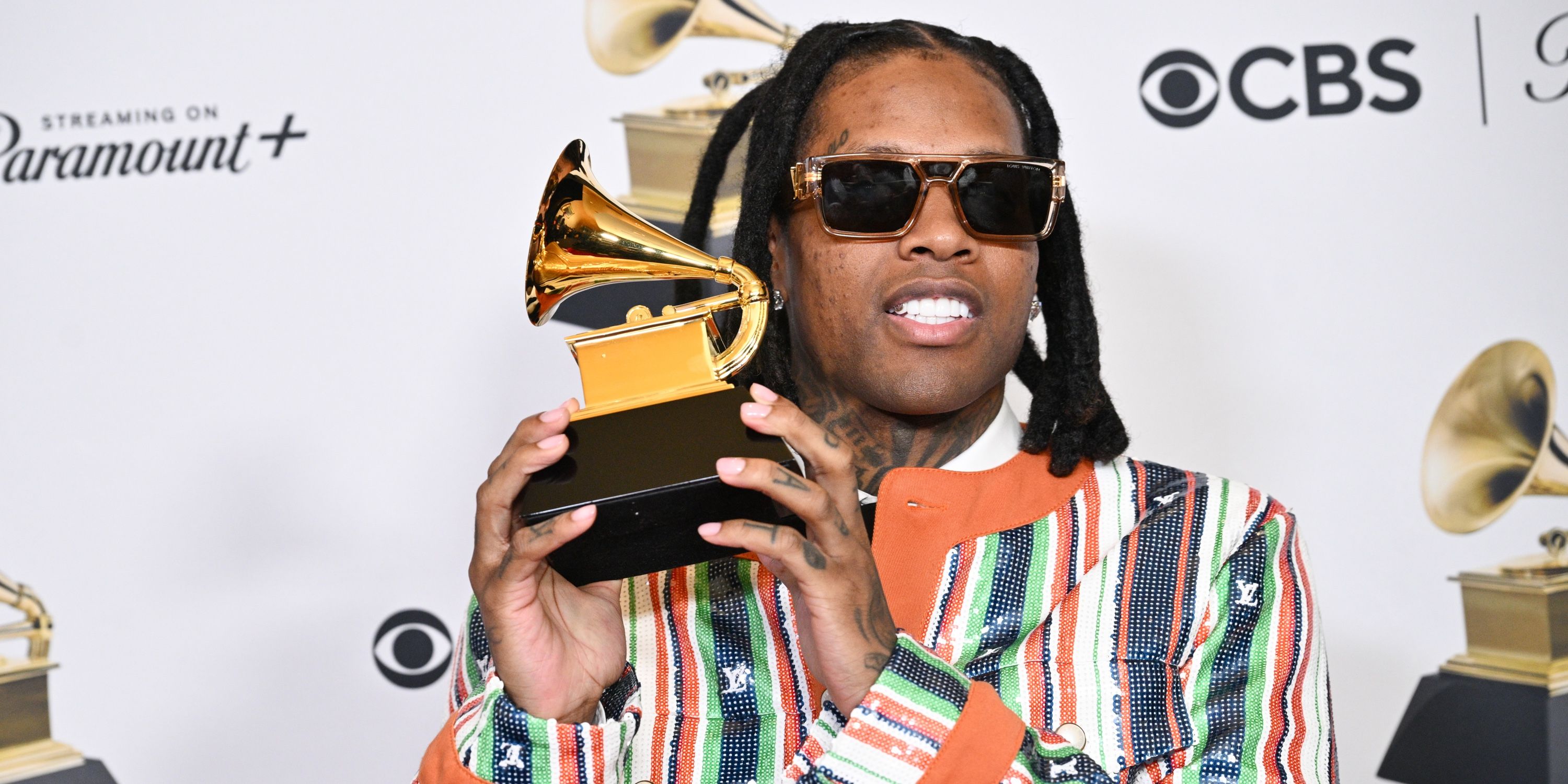
As these newly elected leaders step into their roles, the stakes are high. They'll face the inevitable scrutiny and challenges that come with breaking molds, handling a political scene that has historically been resistant to change. But their success isn't just a win for the Black community; it's a win for an America that strives to embrace its diversity and potential. As more talents like Lil Durk and Kandi Burruss continue to emerge from our community, we see the broader impact of cultural representation across different spheres, from politics to entertainment. Their success stories highlight the importance of visibility and the power of representation in inspiring future generations to pursue their dreams and break through barriers. This moment is proof of the strength and resilience of our community, and a call to action to continue pushing for progress and equity.
The dynamics of race, class, and socio-economic status have always played a significant role in shaping political narratives. These elections challenge the traditional power structures, advocating for a more inclusive approach where everyone's voice matters, regardless of their background. The increasing influence of Black political leaders is proof of the growing demand for change within our political system, highlighting the importance of policies that reflect the diverse realities of all Americans. This shift is not just about representation but about enacting meaningful change that addresses systemic inequalities and promotes social justice. It is a call to action for all of us to engage in the political process and support leaders who are committed to creating a more equitable and inclusive society for all.
Advertisement
As we look forward, the focus shifts to what these leaders will accomplish during their terms. With high expectations and a keen eye on their progress, the electorate is more engaged than ever, ready to hold their representatives accountable and ensure that promises of change translate into tangible outcomes. The anticipation of substantive change and the drive for continuous progress define this new era of Black political leadership. These victories are not just historical footnotes; they are a call to action for all of us to remain vigilant, informed, and ready to cast our votes for a future that reflects our collective dreams and aspirations. It is a reminder that the fight for justice and equality is ongoing, and that we all have a role to play in shaping the future of our nation.
More from PowerVault Network: