
J. Cole and Kendrick Lamar's Beef: Why Cole's Apology Was a Game Changer
By Simone Walker, PowerVault Staff J. Cole's decision to step back from a brewing beef with Kendrick Lamar in 2024 was more than just an apology, it was a strategic move that showcased a different kind of strength in...
Advertisement

By Simone Walker, PowerVault Staff
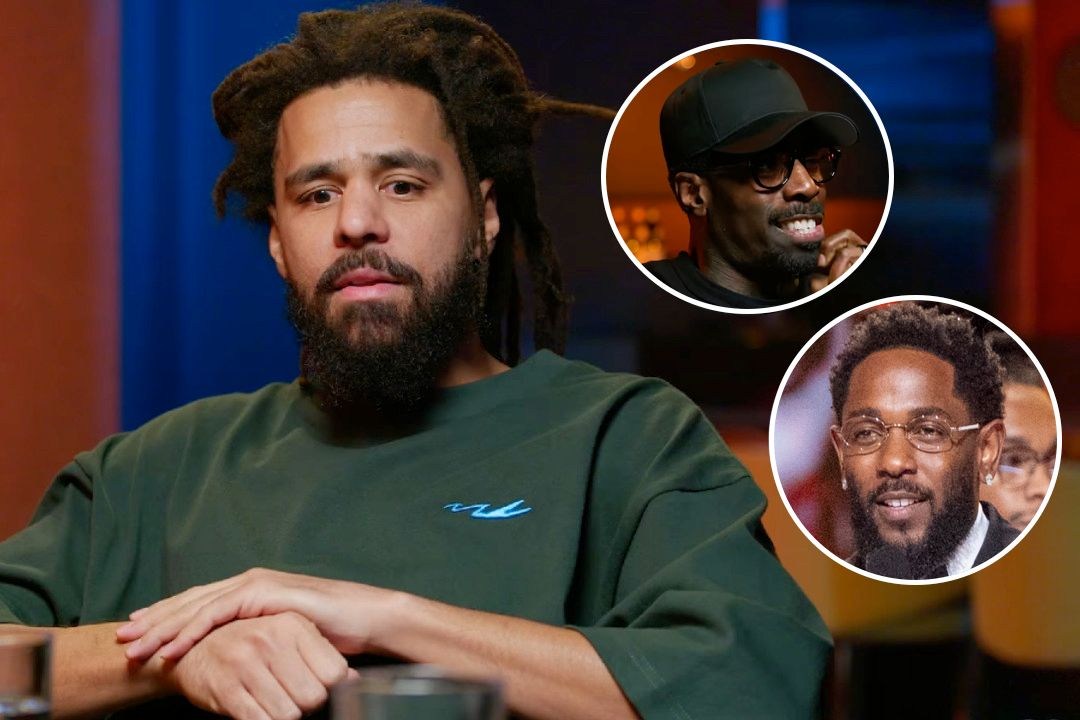
J. Cole's decision to step back from a brewing beef with Kendrick Lamar in 2024 was more than just an apology, it was a strategic move that showcased a different kind of strength in the rap game. In an interview with GQ, Cole and his longtime A&R, Mark Pitts, reflected on the controversial moment that caught fans and industry insiders off guard. While beef and competitive spirit have always been integral to Hip Hop's essence, Cole's maneuver to retract his diss track '7 Minute Drill' and instead apologize to Kendrick shifted the narrative. His actions represented a new chapter in a genre where clashing egos and lyrical warfare have long been celebrated. By opting for reconciliation, Cole demonstrated that there's power in preserving relationships and choosing diplomacy over conflict.
Cole and Pitts opened up to GQ about the internal discussions that took place during the heat of the moment. They recalled how Future and Metro Boomin's track 'Like That' ignited the tension, with Kendrick throwing a potent shot that couldn't be ignored. In response, Cole initially recorded a diss, a fiery track that could have escalated the situation but later decided to pull back and address things differently. According to Cole, the decision to apologize wasn't easy, particularly because he hadn't clued Pitts in on his plans beforehand. Pitts was caught by surprise, along with the rest of the world, when the apology went live. This decision highlighted the complexity of handling industry relationships while maintaining personal integrity, a balancing act many artists struggle with.
The apology itself, which turned Hip Hop heads when it dropped, was a moment of reflection for both Cole and Pitts. Pitts expressed initial confusion, admitting he was torn between his pride as a fan and his understanding as a mentor. "As a man, I was like, 'I'm proud of you for real. But right now as a fan, the f**k are you doing?'" Pitts laughed in the interview. The reaction from both men highlights a tension that many artists grapple with, the balance between personal integrity and public persona. This moment illuminated the internal conflicts artists face when choosing between their instinct to protect their brand and their desire to foster genuine connections in an industry rife with competition. See the post that sparked the conversation below.
For those who regard Hip Hop's competitive clashes as the lifeblood of the culture, Cole's move was unexpected. Dissing and beefing have long been part of the genre's DNA, helping to establish and solidify an artist's position in the game. However, Cole's choice to retract his track and offer an apology signaled a shift, suggesting that sometimes preserving relationships and a legacy takes precedence over momentary bragging rights. By stepping away from the traditional path of confrontation, Cole challenged the notion that strength is solely defined by aggression and dominance. His decision reflects a growing understanding that longevity in the industry may require a more complicated approach, where wisdom and foresight guide actions rather than impulsive emotions.
Pitts eventually came around, realizing that the storm would pass. He assured Cole that the chatter, intense as it was at the time, would die down in a month. Two years later, the pair found themselves looking back at the moment with a clearer perspective. This incident is a reminder of how Hip Hop, while steeped in tradition and rivalry, continues to evolve with its core artists redefining the rules of engagement. Pitts' realization and prediction that the beef would fade from public memory proved prescient, as evidenced by the reactions below. This foresight shows the importance of thinking long-term in an industry often fixated on short-lived drama and instant gratification.
The backdrop to this entire episode is rooted in Hip Hop's rich history of clashes. From Nas vs. Jay-Z to Drake vs. Meek Mill, rap battles have historically driven the genre forward, creating an arena where lyrical prowess and strategic moves could make or break an artist's career. However, unlike past beefs that ended careers or permanently soured relationships, Cole and Kendrick's dynamic is indicative of a more progressive era in Hip Hop. Their ability to handle tensions without resorting to destructive paths shows growth, not just as artists but as influential leaders shaping the next generation. This evolution marks a shift towards maturity and responsibility, where artists are increasingly aware of their impact beyond immediate rivalries.
This isn't the same old Hip Hop story, where egos clash and bridges burn.
J. Cole's apology says a lot about the maturation and evolution of Hip Hop's leading voices.
J. Cole's apology says a lot about the maturation and evolution of Hip Hop's leading voices. It was a move that showed Hip Hop heads that there's power in diplomacy and strength in vulnerability. With the genre increasingly under the mainstream microscope, Cole's actions also highlight the need for artists to consider the broader implications of their words and actions. It signifies a cultural shift where authenticity and accountability trump impulsive aggression. At a time when public perception can make or break careers, Cole's decision to prioritize his values over a fleeting victory is proof of the changing tides in Hip Hop. This move encourages other artists to rethink what it truly means to be strong in a culture that often glorifies toughness.
For the industry, Cole's decision signifies a shake-up in traditional power plays. At a time when beefs can inflate streams and sales, choosing a path of reconciliation over confrontation is a risky move financially. Yet, it also opens up a new paradigm where artists aren't pigeonholed into playing the villain or the hero. This flexibility can lead to more varied and innovative expressions in Hip Hop. As seen in other industry patterns, like Drake's investment in K-Os, we're witnessing a narrative shift in how artists build their legacies. By opting for reconciliation, Cole challenges the status quo, encouraging other artists to consider the long-term benefits of collaboration over conflict. This approach could pave the way for more meaningful and impactful contributions to the genre.
For the fans and the community, this incident serves as a wake-up call. It challenges long-held notions of what defines strength and victory in Hip Hop. Rather than viewing apologies as signs of weakness, they can be seen as marks of wisdom and foresight. This opens up new conversations about what we value in our icons and how these values shape the culture we consume. The community response, as seen from social media reactions, shows this evolving mindset. Fans are beginning to recognize that true power lies in the ability to rise above petty conflicts and focus on creating art that transcends the ephemeral nature of beefs. As the culture evolves, so too must our understanding of what it means to win in the world of Hip Hop.
Advertisement
The racial and industry dynamics at play can't be ignored either. Hip Hop has often been a voice for marginalized communities, a way to call out societal injustices and provide a platform for voices often silenced. J. Cole's stance pushes against the stereotype that Black men must always be hard and unforgiving, showcasing a different kind of resilience. It reflects a broader societal shift, where vulnerability is no longer a taboo, but a form of resistance. This aligns with broader cultural movements, such as Black characters winning in horror movies, demonstrating how representation and portrayal are changing across the board. By embracing vulnerability, Cole and others are helping to redefine what strength looks like in a culture that has long prized toughness above all else.
Looking ahead, J. Cole's decision to apologize sets a new precedent for how artists can handle conflicts in the future. It encourages a deeper consideration of personal values over public perceptions, urging upcoming artists to think critically about their legacy. As the Hip Hop scene continues to evolve, it will be interesting to see if more artists follow in Cole's footsteps, choosing to prioritize relationships and longevity over fleeting moments of notoriety. The next chapter in Hip Hop awaits, with lessons learned and new paths forged. This forward-thinking approach may well inspire the next wave of artists to embrace growth and authenticity, paving the way for a more inclusive and dynamic future in the genre.
