
Jack the Rapper: Who Gets Credit for Atlanta Hip Hop?
By Tanya Brooks, PowerVault Staff Jack the Rapper anchors a Georgia hip hop retrospective that counts at least 50 significant moments tied to the state. But the count covers more than the artists. It also makes room f...
Advertisement

By Tanya Brooks, PowerVault Staff
Jack the Rapper anchors a Georgia hip hop retrospective that counts at least 50 significant moments tied to the state. But the count covers more than the artists. It also makes room for record labels and events held in the state. That choice changes who gets a page in the history.
PVN’s read: The most useful word in that headline is “blueprint.” A hit tells an artist what reached people. A blueprint asks what had to be in place for that record to reach them, who helped put it there and whether the next artist could use it. That’s a better test of a music city than counting how many times its name comes up in a year of streaming recaps.
Atlanta gets the headline, but Georgia is the scope of the retrospective. That distinction should survive the jump from local history to national shorthand. When a city name becomes a marketing label, it can make work done elsewhere sound like it all happened on the same block. The reporting test is basic: Name where the work happened and who did it, even if the answer doesn’t fit the familiar headline.
There’s a class question buried in how the business talks about Black music scenes. A neighborhood crowd can know exactly what it likes and still get described as a market the industry hasn’t tested. Whose approval turns that taste into evidence? From PVN’s perspective, if someone far from the audience gets to certify its judgment, that person can end up with more say over the money than the people who recognized the value first.
For an artist, the practical question is what a partner actually provides. Distribution can get music onto platforms. That alone doesn’t tell anyone who owns the recording, who pays for promotion or how long the partner gets a cut. Deal names can sound clean in an announcement, but artists need answers they can point to in the contract. A release date won’t tell them what they’re free to do with the next project.
The same goes for the advance. Money up front can give an artist time to finish a project or pay the people working on it. The useful question is which costs the company can recover from the artist’s royalties before sending a royalty check. A deal can solve a real cash problem today and still leave the artist waiting to see income from a record that found its audience.
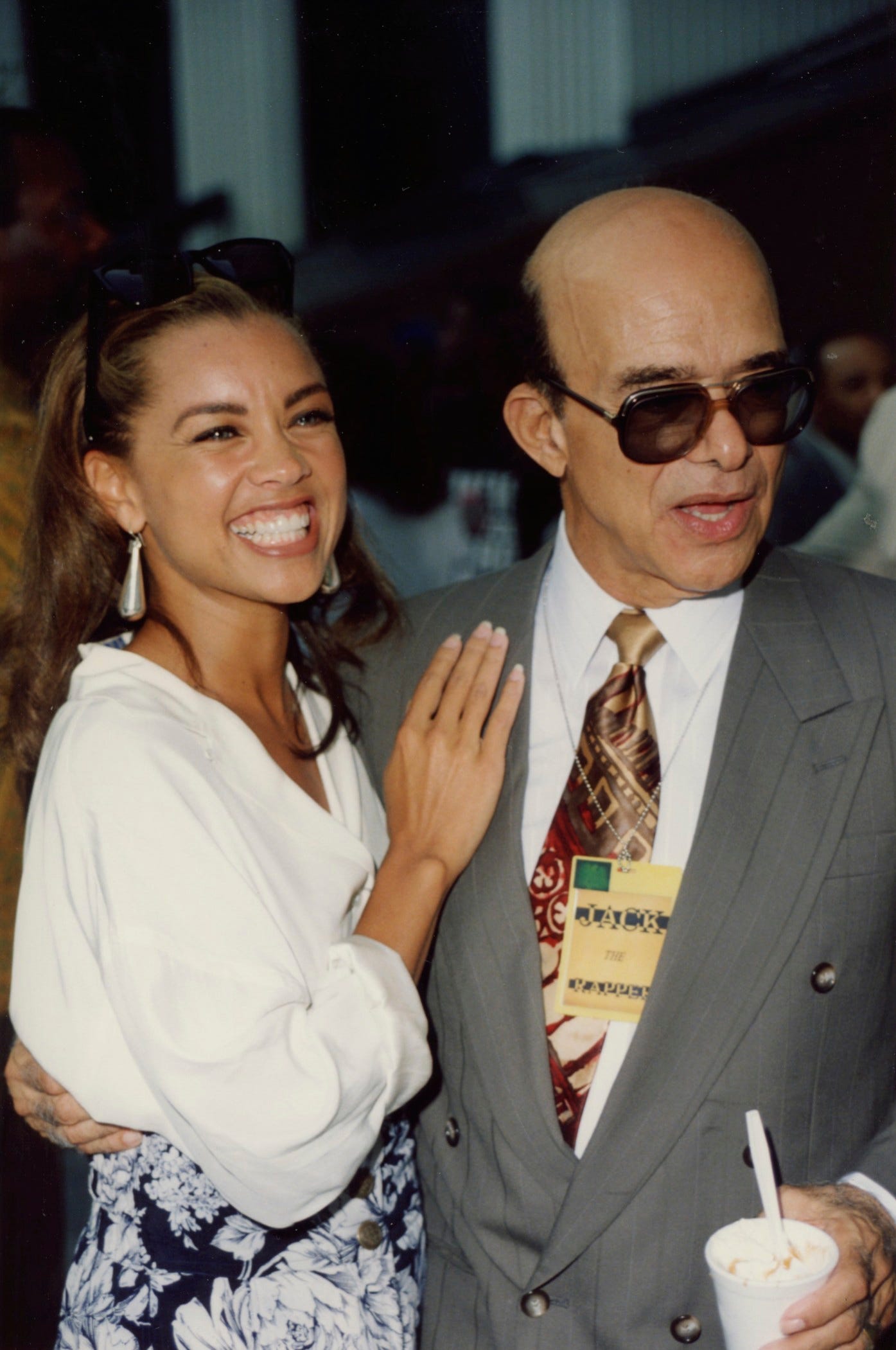
The headline’s emphasis on Jack the Rapper also gives music history a job beyond ranking records. An event can matter for whom it gives a chance to meet, even if those introductions never turn into deals. The useful assignment for a historian is to ask who could get in front of whom, and who still had to go through somebody else. Nobody needs to turn every handshake into a creation myth to explain why access matters.
A listener can help make a record valuable without ever getting a vote in who owns it.
That’s where PVN’s coverage of why IMAX wants in on Jay Z’s Super Bowl halftime show offers a related business question: What does a company see in an audience somebody else already knows how to reach? For Georgia’s hip hop history, follow that question back toward the people who did the work before an outside partner had something to buy into.
A listener can help make a record valuable without ever getting a vote in who owns it. Fans can put friends on, keep a song in rotation and still have no say over how it’s released later. PVN’s look at who gets to hear Wu Tang Clan’s secret album takes that gap to an extreme. The everyday version is quieter: the people who build demand aren’t necessarily the ones who decide how it gets served.
Advertisement
The next time a Georgia artist breaks through, watch what happens after everybody agrees the record is moving. Who can afford to wait before signing? Who can bring the same team back for the next release, and who needs permission? Those answers will tell fans more about the South’s long game than another victory lap about where the hits come from. The next win to watch is who gets to say no.
More from PowerVault Network: