Jalen Hurts' Season-Ending Blood Clots: What It Means for Him and the NFL
By Renee Fontaine, PowerVault Staff The crisp fall air in Philadelphia was supposed to carry echoes of another promising Eagles season. Jalen Hurts, the quarterback who had become synonymous with resilience and leader...

Advertisement
By Renee Fontaine, PowerVault Staff
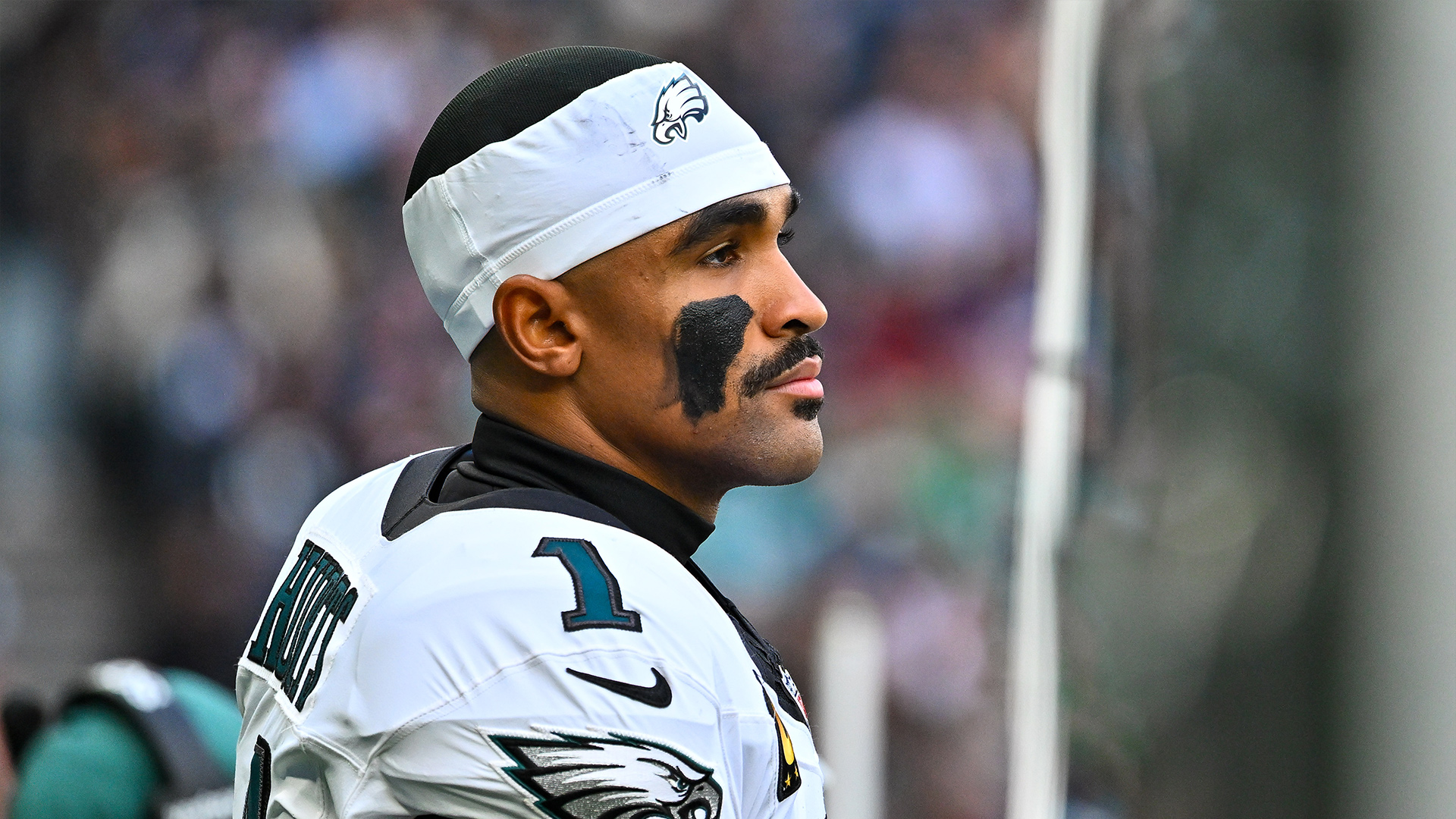
The crisp fall air in Philadelphia was supposed to carry echoes of another promising Eagles season. Jalen Hurts, the quarterback who had become synonymous with resilience and leadership, was set to take the NFL by storm. His journey from being a college standout to becoming the face of the Eagles was nothing short of inspirational, especially for young Black athletes looking up to him. But the winds shifted dramatically. What should have been a routine game week now finds the team grappling with the news that Hurts will miss the rest of the 2026-2027 season due to multiple blood clots discovered during a routine check-up in London. This unforeseen health crisis not only impacts the Eagles' immediate future but also serves as a sobering reminder of the unpredictable nature of professional sports.
The revelation, first reported by ESPN’s Adam Schefter, was a bombshell that rattled the league. Hurts' condition, initially thought to be a minor issue that could be managed with standard treatment, quickly escalated into a medical concern that no athlete wants to face. The diagnosis of deep vein thrombosis and bilateral pulmonary emboli in his lungs has turned Hurts' health into a pressing issue in a league where physical well-being often gets overshadowed by performance stats and contract negotiations. This situation shows the vulnerability of athletes who are constantly pushing their bodies to the limit, highlighting the often-overlooked intersection of health and performance in a sport that demands so much from its players.
Hurts' agent, Nicole Lynn, posted online to clarify his condition, emphasizing transparency as a crucial component of addressing public concern. “Jalen has received comprehensive medical evaluations. The diagnosis is deep vein thrombosis with bilateral pulmonary emboli,” she explained, aiming to quash speculation and assure fans of his stable condition. At a time when rumors can spread rapidly, Lynn's candid approach helps maintain trust between the player, his fans, and the organization. Hurts' health scare is yet another reminder of the precarious nature of a sport that demands so much from its athletes, both physically and mentally. It forces us to reconsider how we view the balance between athletic performance and personal well-being.
In the post below, Adam Schefter broke the news, which sent ripples through the Eagles' fanbase and the wider NFL community. The post wasn’t just a report; it was a call for concern and empathy for a player who carries not just the weight of a team but also the aspirations of a city that has rallied behind him. Hurts' journey has been one of overcoming obstacles, and this latest challenge is no different. As fans and analysts alike process this development, it serves as a stark reminder of the pressures that come with being a high-profile athlete. The emotional and psychological toll on Hurts, as he navigates this health scare, adds another layer to the complexities of professional sports.
Lynn’s statement further detailed that Hurts will remain on anticoagulants, colloquially known as blood thinners, and will abstain from any contact activities, including football. This medical regimen is critical to ensuring his recovery and preventing further complications. Despite the medical setback, Lynn reassured fans that Hurts will continue to be a presence around the team and is expected to make a full recovery without long-term effects. Her post, seen in the following Tweet, highlights the ongoing support Hurts is receiving from the Eagles organization and his personal network. This support system is essential, not only for his physical recovery but also for maintaining his mental health during this challenging period. It shows the importance of community and solidarity in the face of adversity.
This isn’t the first time we've seen a star athlete sidelined by health issues that go beyond the typical wear and tear of the game. In 2015, NBA player Chris Bosh faced a similar situation with blood clots, which eventually led to the premature end of his playing career. Bosh's struggle was a public battle, underscoring the seriousness of such medical conditions and the difficult decisions athletes must make regarding their careers and health. The reality is stark: even with all the medical advancements, athletes are human, and their bodies sometimes send signals that can’t be ignored. The league must grapple with these truths as it continues to push the boundaries of physical performance, recognizing that athletes' health must be prioritized over the relentless pursuit of success.
Jalen Hurts' health scare is a stark reminder of the human element in a league driven by dollars and stats.
Jalen Hurts' health scare is a stark reminder of the human element in a league driven by dollars and stats.
For Hurts, this pause in his career isn’t just a setback; it’s a chance to reassess what it means to be a leader both on and off the field. Leadership in the NFL is not only measured by touchdowns and victories but also by how one navigates adversity. While the Eagles’ season plans may have been interrupted, Hurts’ dedication to his health and team says a lot about his character. The NFL is a league that often sees its players as commodities, with contracts and performance metrics dictating their value. However, Hurts' situation reminds us that these athletes are more than their statistical contributions. His journey emphasizes the importance of prioritizing personal well-being and serving as a role model, particularly for young athletes who look up to him.
From an industry perspective, Hurts’ absence will likely reignite conversations about player health and safety that go beyond the usual focus on concussions. The NFL has long faced criticism for its handling of player injuries and health issues, with the spotlight often on head injuries. However, systemic health issues like blood clots bring another dimension to the discussion, emphasizing the need for comprehensive medical care and proactive health monitoring. It’s an opportunity for the league to improve its medical protocols, ensuring that players receive the best possible care and that their long-term health is prioritized. The YouTube video below further explores these dynamics, offering insights into how the league can better support its players in managing health risks effectively.
For Black athletes like Hurts, the stakes are particularly high. They’re not only fighting for their spot on the field but also handling a predominantly white industry that often overlooks their unique challenges. This isn’t just about physical health; it’s about representation and the pressures that come with being a trailblazer. In sports, where Black athletes make up a significant portion of the talent pool, it’s crucial that their voices and health concerns are prioritized and addressed with the seriousness they deserve. The intersection of race and athletics adds an additional layer of complexity, where systemic inequalities can impact access to resources and support. Hurts' situation highlights the ongoing need for equity and recognition of the specific challenges faced by Black athletes.
On the ground, the Eagles now face the challenge of finding a temporary replacement while ensuring the team’s morale stays intact. This decision goes beyond just filling a spot on the roster; it’s about maintaining the team's cohesion and spirit in a time of uncertainty. It’s a business decision that could affect the team’s playoff hopes and fan engagement, as Hurts has been a central figure in the team's identity. But for Hurts, the path forward is personal and profound. As he transitions from being the team leader on the field to a supporter from the sidelines, his focus will be on healing, both physically and mentally. His journey through this challenge will redefine his role and influence within the team and the broader NFL community.
Advertisement
The broader implications of Hurts’ condition will ripple through the NFL and beyond. As his story unfolds, it serves as a call to action for better healthcare policies in sports and greater awareness within communities that look to athletes like Hurts for inspiration. His situation is a poignant reminder of the vulnerabilities that accompany athletic excellence, urging stakeholders to adopt a more compassionate approach to player health. The hope is that his recovery will not only bring him back to the field stronger but will also lead to a more empathetic approach to player health industry-wide. As discussions around athlete health continue, Hurts' experience could catalyze meaningful change, prioritizing the well-being of players in a league driven by competition and performance.
Jalen Hurts’ journey isn’t over; it’s evolving. As we watch how this plays out, we’re reminded of the fragility and resilience of those we admire on the field. The NFL, like all professional sports, is about more than just winning or losing. It’s about the narratives of those who dare to dream, those who face the unexpected, and those who redefine what it means to be a hero in the modern age.