Jamie Foxx Party Stabbing: What the Evidence Leaves Open
By DeShawn Price, PowerVault Staff Jamie Foxx shared party highlights after a reported stabbing at his Thousand Oaks home left a guest injured and a juvenile suspect in custody. The contrast drew criticism. But the gu...
Advertisement

By DeShawn Price, PowerVault Staff
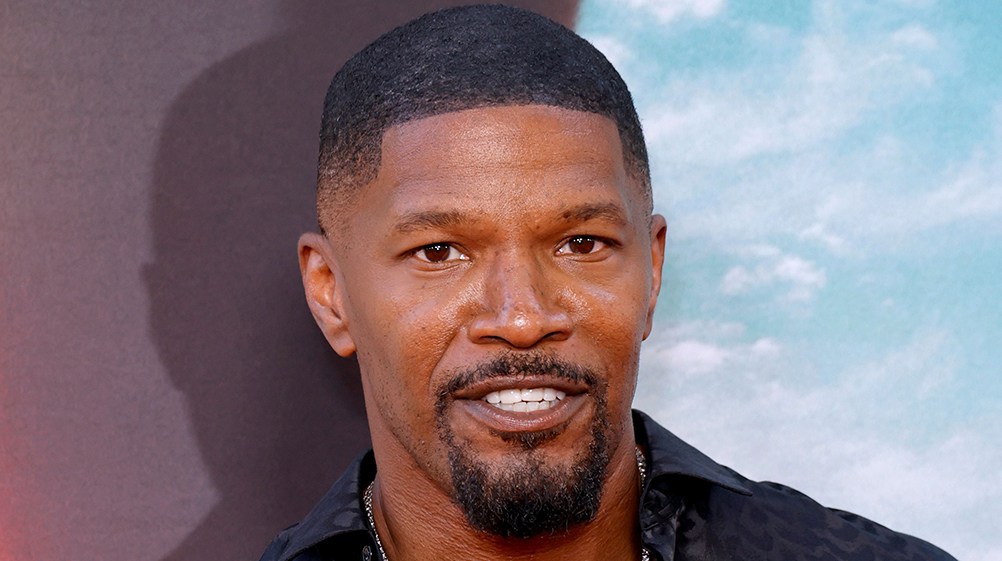
Jamie Foxx shared party highlights after a reported stabbing at his Thousand Oaks home left a guest injured and a juvenile suspect in custody. The contrast drew criticism. But the guest’s treatment, the arrest and the event’s security deserve more attention than the optics of an Instagram post.
The annual Skvlk Fest gathering took place Nov. 7 after organizers postponed its Oct. 31 date because of California weather. Anelise Foxx organizes the Halloween music event, which features carnival rides and performances. The reported lineup included OhGeesy, Offset and 310Babii. According to TMZ’s reporting, paramedics treated a guest at the property for superficial injuries following a reported neck stabbing.
Authorities took a male suspect into custody on suspicion of assault with a deadly weapon. The Los Angeles Times described the suspect as a “juvenile male,” according to the supplied coverage. Footage shared on X shows crowds being directed off the property, as seen in the post below.
That exit footage documents part of the response, not the confrontation that prompted it. The source also describes a man complaining that he wanted to press charges while being arrested. His words do not establish who started the encounter, who was injured or whether his account was accurate.
An arrest is not a conviction. Atlanta Black Star reported seeking a response from the Ventura County Sheriff’s Office. That request was still unanswered in its account. Keep those limits in mind when watching the video below.
Video cannot supply a charging decision or settle facts outside its frame. Readers deserve that distinction before anyone turns a clip into a verdict. PVN’s examination of what a Terrell Owens service video proves offers a related evidence question. The standard here should be equally direct: identify what the recording establishes, then stop where it stops.
The injured guest remains largely absent from the public account. The supplied coverage gives no name, interview or family statement. It also does not identify the guest’s race. Nothing supports filling those gaps with assumptions. Describing the injuries as superficial reports their stated medical severity; it does not tell readers what the encounter meant to the person who experienced it.
A weapons ban is a rule, not proof of a working safety system.
PVN’s view is that the guest should not become a footnote in a debate about a celebrity’s posting schedule. The public has no claim to that person’s private medical details. It does have reason to expect accurate information about the reported violence and the response. Accountability can center an injured person without demanding that person perform their distress for strangers.
There is documented history worth examining without pretending it proves a pattern of identical failures. The source describes an earlier Skvlk Fest incident in which someone threw a glass bottle toward the stage during GloRilla’s performance. “Why would you throw something at the stage, man? This is for free,” Foxx said. That incident does not explain this reported stabbing. The same limit on inference applies to the video below.
A video can capture disorder without explaining how an entire security operation worked. Organizers reportedly posted rules banning real and fake weapons. A weapons ban is a rule, not proof of a working safety system. The useful questions concern enforcement: what screening occurred, who handled security and what staff did when trouble began. The supplied reporting does not answer them.
Those unanswered questions do not establish negligence by Foxx or the organizers. They identify what responsible follow-up should examine. Posting a prohibition cannot, by itself, prove adequate preparation. A reported injury cannot, by itself, prove every precaution failed. That distinction protects the investigation from two shortcuts: celebrity damage control and a rush to assign blame.
Foxx later shared festival highlights on Instagram and praised DJ Sophia. The source quotes one commenter asking, “Posting this after a stabbing was reported? Not sure you’re reading the room?” That is a criticism of his public judgment, not evidence about the assault. His posts also do not establish whether he contacted the guest privately. The available account cannot answer that question.
PVN’s criticism is narrower than a demand for a public apology on command. Celebration after a reported injury can leave the audience without a clear acknowledgment of what happened. Organizers could address safety and express concern without naming the guest or discussing disputed evidence. Public communication should respect an investigation, but an investigation need not become an excuse for saying nothing useful.
The class tension is plain: a celebrity mansion can suggest control that a crowded event may not deliver. Some source comments blamed Foxx for hosting a younger crowd or predicted lawsuits. Neither reaction establishes liability. For Black readers, defending a Black entertainer from unsupported blame should not require overlooking another person’s injury. Wealth, access and affection cannot replace evidence.
The institutional test is whether the public eventually receives a clear account of the response and the case’s disposition. PVN’s coverage questioning what a police account leaves out points toward the same reporting discipline. An official description is a starting point for scrutiny, not the completed investigation. Missing information warrants follow-up, not an invented claim of misconduct.
Advertisement
The next meaningful developments would be an official case update, any charging decision and a substantive explanation of the event’s safety response. Until then, readers should resist both declaring the matter solved and treating Foxx’s highlights as the whole story. The standard for the next Skvlk Fest should be what protects the people who show up, not what photographs best.
More from PowerVault Network: