
Keffe D Maintains Innocence in Tupac Murder Case — What's Next for Hip Hop's Most Infamous Cold Case?
By Simone Walker, PowerVault Staff Las Vegas, October 13, 2023. The air is thick with tension as Keffe D, the man at the center of one of the biggest controversies in hip hop history, prepares to face a judge. Just da...
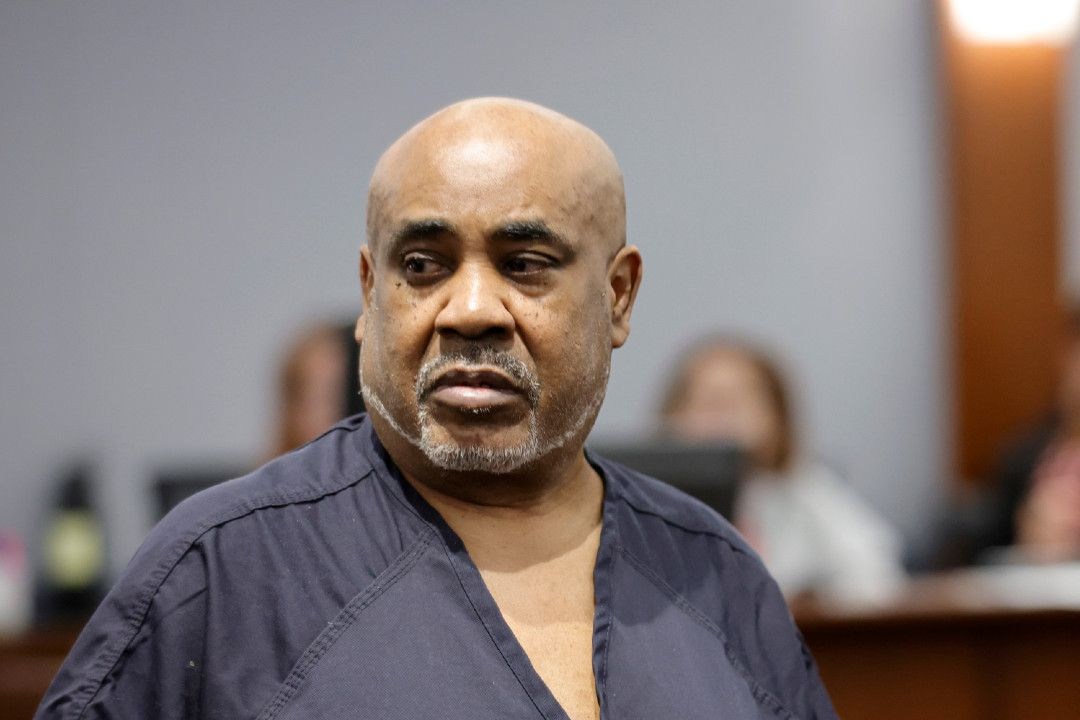
Advertisement

By Simone Walker, PowerVault Staff
Las Vegas, October 13, 2023. The air is thick with tension as Keffe D, the man at the center of one of the biggest controversies in hip hop history, prepares to face a judge. Just days away from sentencing, he’s declared he’s innocent, claiming he’ll be out soon thanks to an upcoming appeal. While whispers of doubt echo through the culture, Keffe D’s words carry weight beyond just courtroom drama. This isn’t just about one man’s freedom; it’s about the shadows still cast by the unsolved murder of Tupac Shakur and the intricate web of East Coast-West Coast beef that still resonates today.
The fallout from Tupac's death in 1996 has influenced an entire generation of rappers and music enthusiasts. From political statements about systemic racism to heartfelt tributes and remixes, Tupac’s legacy is woven into the fabric of hip hop. His murder, shrouded in mystery, has sparked countless theories, documentaries, and songs. Yet, as Keffe D steps into the spotlight, it feels like we’re still waiting for closure.
While Keffe insists he will be released, many are skeptical. The man has already been entangled in multiple legal battles and his claims seem like a last-ditch effort to beat the system. The hip hop community is no stranger to courtroom dramas, but the stakes seem higher when it involves someone who allegedly has a direct connection to one of the genre’s most revered figures. His insistence on maintaining innocence raises questions about truth, loyalty, and, ultimately, accountability in a culture that often grapples with these themes.
The narrative around Keffe D is as complex as the life of Tupac himself. Keffe was there during the chaos of the 90s, a time when the coast-to-coast rivalry was not just verbal, but dangerously physical. The culture was rife with egos and paranoia, making it hard to sift truth from the hype. Now, at the heart of this case, with a timeline that can be traced back decades, the question remains: what really happened that night in Las Vegas?
Historically, the police have faced criticism for their handling of Tupac's murder investigation. Many in the community believe that the investigation was mishandled due to racial bias and a lack of urgency. The ongoing silence from law enforcement only fuels conspiracy theories, complicating the search for justice. Keffe D’s situation echoes this historical mistrust. His insistence on innocence may not just be about saving his own skin; it reflects a deep-seated skepticism towards the legal system that has failed too many in the Black community.
What’s troubling is the way hip hop culture has been commodified by mainstream media. The gruesome details of Tupac's murder have been turned into entertainment, reducing real tragedies into mere gossip fodder. Keffe D, with his claims of innocence, becomes a character in this ongoing saga , a figure whose life is dissected and consumed by the masses. But beyond the sensationalism, the implications of this case stretch far into the community. With every legal twist and turn, there's a chance for discussion about how the culture has evolved and how it still bears the scars of its past.
As Keffe D's case unfolds, hip hop finds itself at a crossroads. The conversation isn't just about solving a murder; it’s digging into the systemic issues that have plagued the culture. With so many artists today using their platforms to speak out against injustice and police brutality, Keffe’s case could serve as a reminder of the ongoing struggle. The hip hop community must grapple with the realities of the past while pushing for change in the present. Not only do we seek justice for Tupac, but we also have to confront the deeper issues at play that continue to affect the lives of artists every day.
The narrative of innocence or guilt surrounding Keffe D also serves as a reminder of the fragility of reputations. In hip hop, once a name is associated with crime, it often sticks, regardless of the truth. This might lead to a generational divide in how fans perceive artists and their actions. While newer artists might focus more on image and brand, the legacy of those who faced real-life consequences lingers in the background. Keffe's trial could possibly reshape how we discuss accountability in the culture and how we deal with figures that refuse to fade into the background.
Advertisement
As the sentencing date looms, hip hop heads across the nation are watching closely. The reality is, hip hop is still a young genre trying to define itself amidst its own history. Keffe D’s claims might remind us of the unresolved issues rooted in the past, though they also bring to light the complexities of justice within our community. Whether or not he’s truly innocent, one thing is clear: the shadows of Tupac’s murder loom large, and they won’t disappear until the truth comes out.
In the end, what happens next is anyone’s guess. If Keffe D is released on appeal, will we see a new wave of discussions about accountability and loyalty in hip hop? Or will he continue to be a shadowy figure, more myth than man? Regardless of the outcome, the legacy of Tupac and the unresolved nature of his murder will continue to pulse through the veins of hip hop, reminding us that some stories demand resolution even when the answers remain elusive. The culture is watching, and the stakes couldn’t be higher.
