
Kendrick Lamar's AI Appearance in Political Ad Sparks Legal Debate
By Simone Walker, PowerVault Staff Under the stadium lights, Kendrick Lamar's iconic Super Bowl performance is the stuff of legends, a moment etched in the annals of hip-hop history. Yet, nobody expected it to become...
By Simone Walker, PowerVault Staff
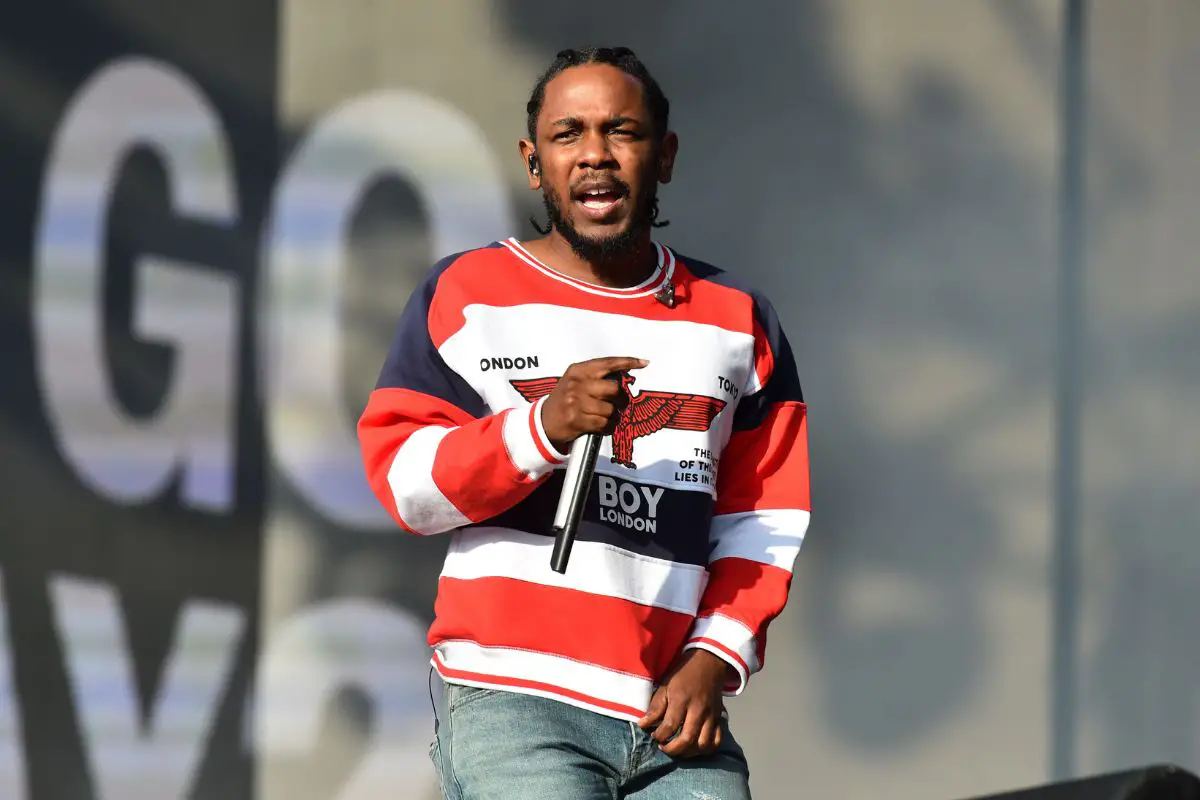
Under the stadium lights, Kendrick Lamar's iconic Super Bowl performance is the stuff of legends, a moment etched in the annals of hip-hop history. Yet, nobody expected it to become the stage for a political faux pas, twisting a cultural milestone into campaign fodder. On a quiet October evening, Tennessee’s Senator Marsha Blackburn dropped a campaign ad that turned heads and raised eyebrows, featuring an AI-generated version of Lamar himself. The backdrop? A reimagined Super Bowl show, where Blackburn took center stage, flanked by AI avatars of her Republican colleagues. It is more than a spectacle; it was a bold move into the contentious world of AI, politics, and cultural appropriation, setting the stage for a debate that transcends the usual campaign antics.
The controversy erupted like wildfire when Blackburn's creative ploy drew a legal warning from a Nashville attorney, spotlighting whether the campaign had obtained Kendrick's blessing to use his likeness. According to WKRN, Kaley Bonett, an entertainment lawyer with Hall Booth Smith, suggested the ad might violate Tennessee’s ELVIS Act if Lamar hadn't signed off on his likeness or choreography being used. Blackburn, dismissing the critique, labeled it as a 'funsie' and encouraged votes, but the legal undercurrents couldn’t be ignored. This is more than about a campaign gimmick; it's about the unauthorized use of an artist's identity, raising questions about respect, consent, and the boundaries of political satire in an age where digital manipulation knows no bounds.
Bonett pointed to Kendrick Lamar's voice and the replication of his halftime choreography as crucial elements that demanded clearance. The video, crafted by a county commissioner and eagerly reposted by Blackburn and her supporters, seemed to stretch the boundaries of political satire and parody like a rubber band about to snap. The potential breach of the ELVIS Act raised significant questions about how far AI technology could go in replicating a performer's essence without their consent. This is more than a legal technicality; it's a turning point in understanding the intersection of technology, creativity, and the rights of artists to control their own likeness in the digital age. The clip that set everything off is below, and it's proof of the fine line between homage and infringement.
The ad, posted on October 13, was a strategic move to rally early voters in support of Blackburn's gubernatorial ambitions by showcasing her in Lamar's revered role. However, the backlash was swift and wasn't confined to the legal realm. Blackburn's Democratic rival, Jerri Green, seized the opportunity, condemning the ad for its insensitivity and lack of authenticity, painting it as a tone-deaf attempt to ride the wave of cultural relevance. This political skirmish also coincided with Blackburn's advocacy of the NO FAKES Act, a federal bill designed to protect artists from unauthorized AI-generated replicas. It's a classic case of art and politics colliding, where the quest for votes dances uncomfortably close to the boundaries of respect and artistic integrity.
The NO FAKES Act, which Blackburn introduced to the Senate on September 30, seeks to create federal rights over AI-generated likenesses, aiming to safeguard artists against unauthorized digital replicas. Despite its intended safeguards, the bill faced significant hurdles when Senator Ted Cruz blocked its passage, citing concerns over free-speech implications. Blackburn countered, arguing that the bill accounted for political commentary and parody, yet her own use of an AI Lamar ignited a heated debate about permission, representation, and authenticity. The legal nuances and potential repercussions of this situation cannot be overstated, as it shows the delicate balance between technological innovation and the protection of individual rights. She addressed it head on in the post below, further fueling the discourse.
This isn’t the first time AI has stirred up industry waters, creating ripples that echo through the corridors of music history. Back in July 2024, Tennessee’s ELVIS Act came into effect, incorporating voice protections into state law and adding another layer of complexity to the already intricate web of music rights. This development recalls past controversies, like when artists such as Prince fought fiercely for control over their catalogs and likenesses. Music has always been about the artist’s voice, both literal and metaphorical, serving as a personal and cultural signature. The ELVIS Act amplifies this struggle at a time when technology can easily blur those lines, reminding us that the fight for artistic control is as relevant today as it was decades ago.
When it comes to the politics of AI and representation, the stakes are deeper than a 'funsie'.
When it comes to the politics of AI and representation, the stakes are deeper than a 'funsie'.
From a cultural standpoint, this incident explains larger trends within the music industry, where control and representation are constantly in flux. As AI technology advances, the ability to replicate not just a sound, but a persona, becomes a reality artists must grapple with. This is more than about Kendrick Lamar; it’s emblematic of a broader trend where authenticity is commodified and control over one's artistic identity is perpetually contested. Artists now face a scene where their voice and image can be digitally manipulated and exploited, raising questions about what is real and what is artifice in this new digital frontier. It's a turning point that challenges the very foundation of artistic expression and ownership.
For the music industry, Blackburn’s ad serves as a stark reminder of the looming threat posed by unchecked AI use. As seen in other cases, like the ongoing legal battles within the music scene, the question of consent and control will only grow more urgent. Labels and artists alike must handle the tricky waters of digital representation and copyright in an age where AI can produce convincing facsimiles without the original creator’s blessing. The stakes are high, as the industry must adapt to protect its artists while embracing new technologies that could redefine music creation and distribution in unprecedented ways.
For audiences, particularly the younger generation that consumes music primarily through streaming and social media, the implications of AI-driven content are profound. They must question the authenticity of what they see and hear, understanding that digital facsimiles can be used manipulatively in various contexts. This generation, well-versed in TikTok and Instagram Live, must stay vigilant as AI technology becomes a more prominent tool in both art and propaganda. It's a digital age dilemma where the lines between reality and creation blur, challenging consumers to discern the truth behind the streams. As AI continues to shape the scene, the responsibility to remain informed and critical of media content becomes ever more crucial.


