Kendrick Lamar's Record-Breaking Tour: What It Means for Hip Hop
By Marcus Ellison, PowerVault Staff Picture this: the crowd is a sea of bodies, swaying and singing along to every word. The stage lights cut through the darkness, illuminating Kendrick Lamar as he commands the stage...
By Marcus Ellison, PowerVault Staff
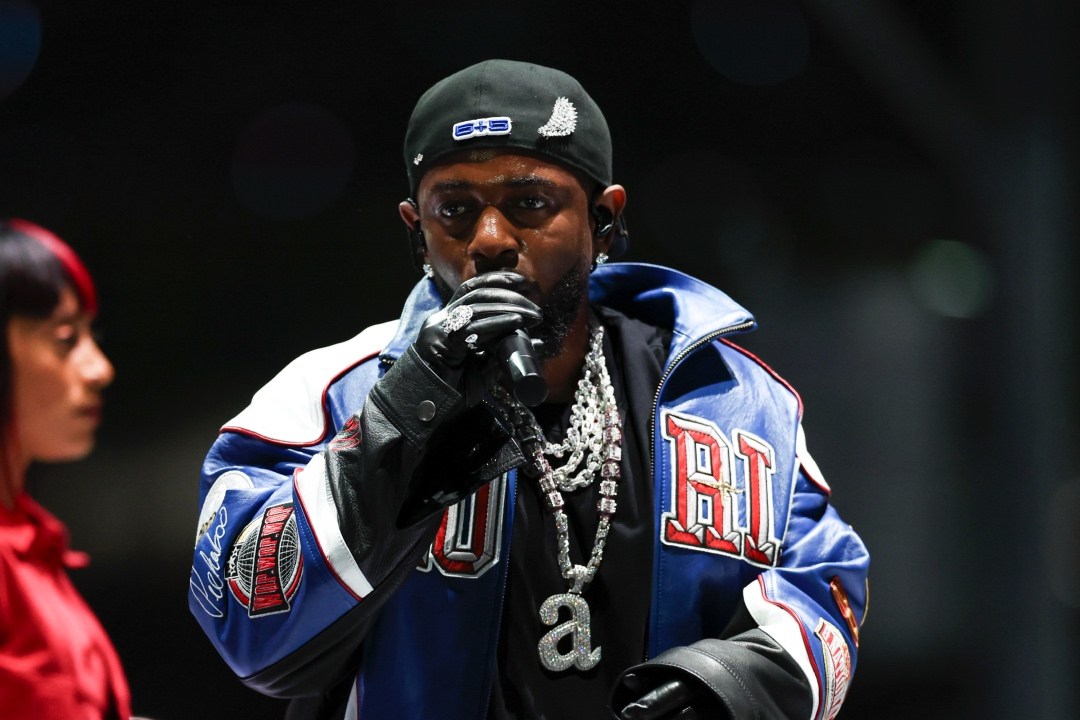
Picture this: the crowd is a sea of bodies, swaying and singing along to every word. The stage lights cut through the darkness, illuminating Kendrick Lamar as he commands the stage with the same precision that he spits his bars. It's not just a concert; it's an experience, a testament to the power of Hip Hop and the man at its forefront. This year, Kendrick Lamar has achieved what many thought impossible: the highest-grossing touring year by a rapper, and that's not just a win for him, it's a win for the culture.
Kendrick Lamar's tour has grossed more than any other rapper's in history, a staggering achievement that places him in the annals of Hip Hop greatness. The numbers don't lie, and neither does the impact. Lamar's tour isn't just about the dollars; it's about the statement it makes in an industry often dominated by pop and rock heavyweights. It's a reminder that Hip Hop, with its roots in resistance and resilience, is not just surviving, it's thriving.
The significance of this feat can't be overstated. Kendrick Lamar stands as a symbol of artistic integrity in a genre that has seen its fair share of watered-down commercialism. His lyrics are poetry, grappling with themes of race, identity, and social justice, making him a voice for the voiceless. As one of the industry's most critically acclaimed and commercially successful artists, Lamar's triumph on the touring circuit shows that substance can, indeed, conquer all.
But let's break down why this is such a big deal. Hip Hop tours haven't always been the cash cows they are now. Back in the day, rappers struggled to book major venues, let alone sell them out. The narrative has shifted, though, thanks in part to artists like Lamar who bring authenticity and raw energy to the stage. He has managed to merge insightful lyricism with mass appeal, proving that you don't have to compromise artistry for the bag.
The video below captures the essence of Lamar's stage presence. It's not just about the performance; it's about the connection he forges with his audience, a connection that transcends the music itself.
Historically, the Hip Hop industry's relationship with live performances has been a turbulent one. You had your rare artists like Run DMC and the Beastie Boys breaking through in the '80s, but it wasn't until the '90s and early 2000s that Hip Hop tours began to gain traction. Fast forward to today, and Kendrick Lamar is filling up arenas worldwide, showing that the genre is more than just a passing trend. It's become a mainstay on global stages, and Lamar is leading the charge.
This breakthrough begs the question: what does this mean for future Hip Hop artists? Simply put, the bar has been raised. Kendrick Lamar has shattered a glass ceiling, proving that Hip Hop tours can compete with, and even surpass, those of other genres. It's a call to other artists to step up their game, both artistically and commercially. The industry is paying attention, and when Lamar speaks, or in this case, performs, everyone listens.
For the community, this isn't just about Kendrick's bank account swelling. It's a cultural moment. Hip Hop, born out of the Bronx in the '70s, was once dismissed as a fad, but Lamar's success forces the mainstream to reckon with the fact that Hip Hop is not just relevant, it's dominant. It's a powerful affirmation of the genre's importance and resilience, which is why Lamar's achievement hits different. It's about representation, validation, and the undeniable force of a genre that has frequently served as a voice for marginalized communities.
Of course, the politics of the music industry can't be ignored. Kendrick Lamar operates within a system that often prioritizes commercial hits over meaningful art. Yet, he has managed to defy these odds, not by watering down his message but by doubling down on it. That's a testament to his artistry and strategic acumen. It's also a middle finger to an industry that often tries to pigeonhole and pacify Hip Hop artists.
And let's not forget the social dynamics at play. Black artists, particularly in Hip Hop, have historically been undervalued and underpaid. Lamar's record-breaking year challenges this status quo, pushing back against a system that has often tried to exploit Black creativity without providing its due credit or compensation. His success serves as a beacon for other artists of color, showing that it's possible to command respect and recognition in an industry that hasn't always been fair.
The Instagram post below captures the celebration of this milestone. Fans and fellow artists alike have flocked to the comments to express their admiration and support for Kendrick Lamar's accomplishment.
So what's next for Kendrick Lamar and Hip Hop as a whole? The sky's the limit. Lamar has set a precedent, and the ripple effects will be felt for years to come. Artists are likely to take more creative risks, knowing that there's a market for authenticity and depth. The industry may start to recognize the financial and cultural power of Hip Hop, leading to more investment and opportunities for artists who have something real to say.
For Kendrick Lamar, the journey continues. He's on a path of artistic exploration, always pushing boundaries and challenging norms. We can expect more groundbreaking work from him, both in the studio and on stage. For Hip Hop, his success is a wake-up call and an invitation to dream bigger, to think bolder, and to continue to break barriers.
In the end, Kendrick Lamar's record-breaking tour is more than just a milestone, it's a movement. It's a call to action for artists, industry executives, and fans alike to recognize and appreciate the profound impact of Hip Hop. As Lamar continues to ascend, so too does the genre he represents, reminding us all of the powerful role art plays in shaping and reflecting the world we live in.