Kodak Black's Legal Victory: Drug Trafficking Charges Dropped
By DeShawn Price, PowerVault Staff At a time when the courtroom can often feel like a second home to many rappers, Kodak Black has just scored another legal win. Picture it: the flash of cameras, the tension in the ai...
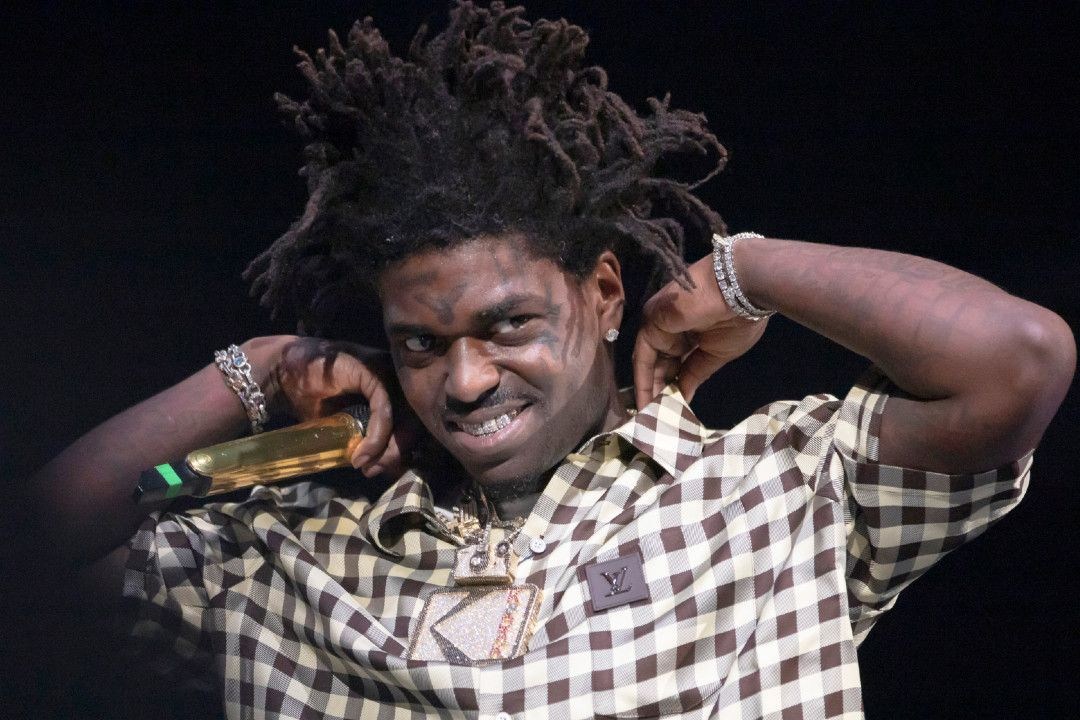
By DeShawn Price, PowerVault Staff
At a time when the courtroom can often feel like a second home to many rappers, Kodak Black has just scored another legal win. Picture it: the flash of cameras, the tension in the air, and then, the relief that comes with hearing that the charges have been dropped. For Kodak, this isn't just another headline, this is a moment of breathing room in a life that often feels like it's lived under a magnifying glass. By now, the streets are buzzing with the news that Kodak's drug trafficking charges have been dropped, marking a pivotal point in his ongoing battle with the legal system.
The Broward County native, born Dieuson Octave and later legally changing his name to Bill Kahan Kapri, has been handling the labyrinth of the justice system for years. This latest chapter began when Kodak was stopped while driving in July 2022. Authorities found 31 Oxycodone pills in his car, leading to serious drug trafficking charges. But now, those charges have been dismissed, allowing Kodak to sidestep what could have been a major setback in his career.
It's a sigh of relief for the rapper, but it also puts a spotlight on how these legal battles shape the hip-hop narrative. Hip-hop has long been a reflection of the community's struggles, triumphs, and everything in between. And Kodak is no stranger to that script. His music, often a raw depiction of his life, speaks to a systematic issue where many artists find themselves entangled in legal woes that can stall, or even end, promising careers.
Kodak's legal troubles have been well-documented. From firearm charges to probation violations, it's been a rollercoaster that many in the hip-hop community know all too well. His notoriety peaked in 2019 when he was sentenced to nearly four years in prison for federal weapons charges. However, his story took a turn when former President Donald Trump commuted his sentence in January 2021. Fast forward, and Kodak's once seemingly grim future took another turn with the dropping of these recent charges. The narrative of redemption is not new to hip-hop, but each story brings its unique flavor, and Kodak's is still unfolding.
The legal system's relationship with hip-hop artists often seems like a revolving door, with many rappers getting caught up in its snare. This pattern isn't just a hip-hop issue; it's a societal one, deeply rooted in racial and economic dynamics that have yet to be fully addressed. Kodak's case is a reminder of those systemic challenges that continue to plague Black artists disproportionately.
The clip that set the timeline off is below.
But let's not get it twisted, Kodak's legal escapades aren't just about the system. There's a personal responsibility angle here too. Rappers, especially those as high-profile as Kodak, operate under a microscope. Their actions, good or bad, are magnified, influencing not only their fanbase but also the perception of hip-hop culture at large. Every trial, every charge, contributes to the narrative that surrounds not just the individual but the genre itself.
Peering deeper into the industry, it's clear that legal troubles aren't just pitfalls but often a part of the artist's brand. Controversy sells, and in a genre that thrives on authenticity, real-life drama feeds into the mythos of the artist. For Kodak, his music remains a canvas that reflects his tumultuous life. Songs like "Tunnel Vision" and "No Flockin’" resonate with fans precisely because they tap into the raw, unfiltered truth of his experiences.
Yet, for every step forward in Kodak's career, there seems to be a step back legally. This pattern reflects a larger issue within the music industry, how it often sensationalizes the struggles of its artists while offering little in terms of support. The industry's focus on profit over people leaves many artists like Kodak in a precarious position, caught between the allure of the lifestyle and the harsh realities of the system.
She addressed it head on in the post below.
So, what does this mean for Kodak and the broader hip-hop community? For Kodak, this legal victory provides a moment to re-focus, to channel his energy back into his music without the specter of a lengthy court case hanging over his head. It's a chance for him to cement his place in the industry, capitalizing on the momentum that his recent projects have built. For the community, it serves as a spotlight on the ongoing issues of racial profiling and the justice system's disproportionate impact on Black artists.
It's also a reminder of the resilience that defines so much of the hip-hop narrative. Despite the challenges, artists like Kodak continue to push forward, using their platforms to spark conversation and, sometimes, change. His story is emblematic of a larger fight for equity, not just in the legal system but within the music industry itself.
For the community, it serves as a spotlight on the ongoing issues of racial profiling and the justice system's disproportionate impact on Black artists.
Fans are watching closely, rooting for Kodak to rise above the noise and focus on his artistry. The responsibility now lies with him to handle his career wisely, to learn from past mistakes, and to leverage this moment for growth. Will Kodak use this opportunity to redefine his narrative, or will he continue to dance on the edge?
In the end, the culture watches with cautious optimism. Every legal win or loss adds a new chapter to hip-hop's rich, complex history. Kodak Black's recent legal victory is not just a personal triumph; it's another layer in the ongoing conversation about race, justice, and the power of music to transcend both. As the dust settles, there's anticipation for what's next in Kodak's journey, one that promises to be as unpredictable and compelling as his music.
The community's reaction was captured perfectly in the Instagram post below.
Kodak's story is far from over. As he navigates this latest turn, the eyes of both fans and critics remain fixed. This legal respite offers him a chance to grow, to refocus, and to maybe, just maybe, redefine the narrative that has followed him for so long. His next moves will tell us if he's embracing the moment or merely passing through it. Whatever happens next, Kodak Black remains a central figure in the dance between hip-hop and the legal system, a dance that is far from over.