Kodak Black's Legal Win: What His Case Dismissal Means for Hip Hop
By Simone Walker, PowerVault Staff The lights flashing in the rearview, the urgency in the air, and the stakes riding on the outcome, it's a scene that Kodak Black knows all too well. For those who have followed his c...
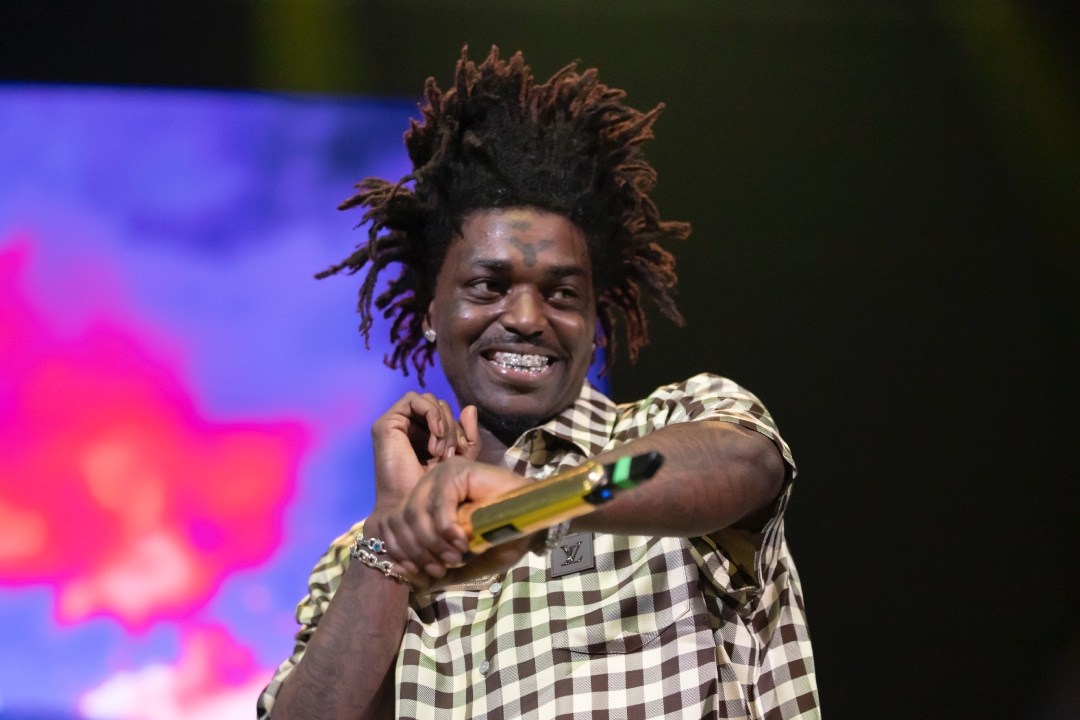
By Simone Walker, PowerVault Staff
The lights flashing in the rearview, the urgency in the air, and the stakes riding on the outcome, it's a scene that Kodak Black knows all too well. For those who have followed his career, the intersection of music and legal struggles feels like familiar territory. But the recent news of Kodak's case for fleeing from police getting dismissed marks a significant chapter in this ongoing saga.
On the surface, it's a straightforward win for Kodak Black. According to XXL Mag, the court decided to drop the charges related to an incident where the rapper was accused of fleeing from authorities. The relief in Kodak's camp is palpable, and it's not just about dodging another bullet but setting a precedent in a justice system that often seems stacked against artists of his background.
Going beyond the headlines, this case touches on deeper issues that resonate throughout the Hip Hop community. For Kodak, born Dieuson Octave but known as Bill K. Kapri, the legal system has been both an adversary and an unfortunate constant. His legal troubles have been part of his narrative, from weapon charges to parole violations. Each instance is a reminder of the fine line artists walk when balancing fame, personal struggles, and systemic biases.
Kodak's case dismissal comes during a time when the discussion about the criminal justice system's impact on Black artists is more vital than ever. In a genre born out of resistance and resilience, these legal battles aren't just personal; they echo a collective experience. The Hip Hop community knows that for every Kodak, there are countless others whose stories don't make headlines.
The dismissal is a win, but it also puts a spotlight on how the justice system treats Black celebrities compared to others. A prominent figure like Kodak Black draws media attention and legal scrutiny that might not be as intense for someone outside the spotlight. Is the legal system harder on him because of his fame, or is it a reflection of broader societal biases?
In the post below, you can catch Kodak's energy as he celebrates this win, a moment of reprieve from the usual clouds of legal troubles that have often overshadowed his career.
As the Hip Hop community watches another chapter close in Kodak's legal battles, it's crucial to reflect on what this represents for the industry at large. The culture has seen its share of artists entangled in legal woes, from Tupac's infamous trials in the '90s to the recent headlines of Gunna and Young Thug. These cases reveal the ongoing tension between the art form's rebellious spirit and the rigid structures of the law.
The industry needs to look closely at how it supports artists handling these challenges. Are record labels doing enough to protect their investments, or is the allure of profit overshadowing the well-being of the artists themselves? When an artist like Kodak faces legal issues, the consequences ripple beyond the courtroom, affecting recording schedules, tours, and even public perception.
For every Kodak, there are countless others whose stories don't make headlines.
For the fans, Kodak's win is more than a legal technicality; it's a reminder of the resilience required to succeed in a world that often seems rigged against you. Hip Hop has always been about turning struggle into strength, and Kodak's persistent fight with the legal system is part of this tradition. It fuels the narrative of overcoming adversity, a core theme that fans deeply relate to.
But there's also a cautionary tale in Kodak's journey. The legal battles serve as a potent reminder of the importance of making wise choices, especially when the spotlight is on you. The industry, fans, and aspiring artists can learn from Kodak’s experiences, talent is not enough; savviness is required to handle the tumultuous waters of fame and legality.
Below, the clip captures a moment of reflection from Kodak, revealing the introspective side of an artist often perceived through the lens of his controversies.
Looking ahead, what happens next for Kodak Black is crucial. With the legal specter temporarily lifted, there's a chance for him to focus on his music and reconnect with the fans who have stood by him through thick and thin. The industry will be watching closely to see how he leverages this freedom, is it a launching pad for renewed creative energy, or will old habits die hard?
In a broader sense, Kodak's legal victory is a call to action for the Hip Hop community to rally around its own. Supporting artists means advocating for systemic changes that go beyond individual cases. It's about dismantling the barriers that disproportionately affect Black artists and ensuring that the culture continues to thrive against all odds.
Kodak himself seems poised to take this moment seriously, as suggested by his social media activity. In the post below, he hints at using this experience as a stepping stone towards a more conscious and deliberate next phase in his career.
The challenge now is turning Kodak's personal win into a collective victory for the community. It means staying vigilant about the systemic issues at play and pushing for change that benefits future generations of artists. As Kodak steps away from this legal skirmish, the Hip Hop world holds its breath, hoping for not just a musical comeback but a symbol of resilience and transformation.
As the beat goes on, the stakes remain high. This isn't just a moment for Kodak Black, but a pivotal point for an industry grappling with its own evolution. The story of Kodak's legal journey might have hit a pause, but the narrative of justice and equality continues to demand our attention. Keep watching, keep questioning, and keep pushing for a future where the culture's voices are heard, respected, and free.