Lamar Jackson's Return: What It Means for the Ravens and Black Quarterbacks
By Jasmine Reed, PowerVault Staff Lamar Jackson is expected to finally return to the field in Week 8 against the Buffalo Bills, after a previous false start left Ravens fans holding their breath and questioning the st...
Advertisement

By Jasmine Reed, PowerVault Staff
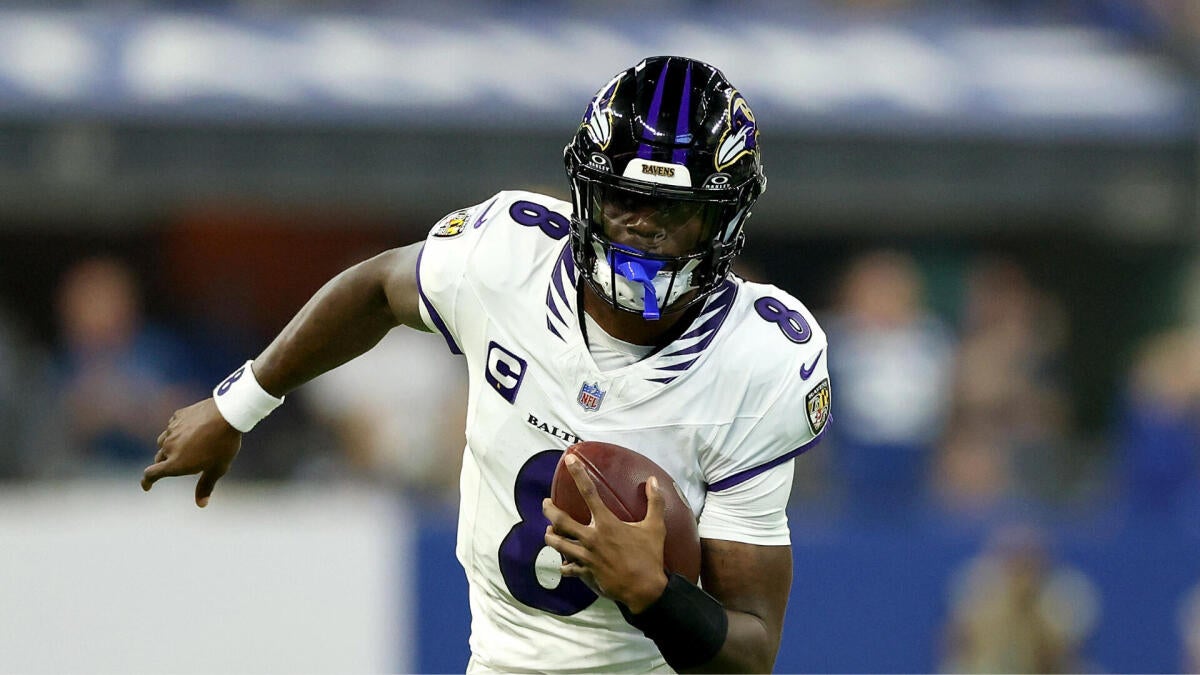
Lamar Jackson is expected to finally return to the field in Week 8 against the Buffalo Bills, after a previous false start left Ravens fans holding their breath and questioning the strength of their season. Practicing in full on Wednesday, Jackson seems poised to face a Bills defense that has struggled mightily, giving up 29 or more points in all but one game this season. With Jackson at the helm, he's not just leading his team; he's carrying the weight of Black quarterbacks striving for excellence in a league that scrutinizes them more intensely than most, constantly challenged to prove they belong in a position historically dominated by white players. This return isn't merely about one game; it's a significant moment for representation and resilience in a sport that often fails to reflect its diverse player base.
The source of this news, a detailed report on Week 8 fantasy football injuries, highlights Lamar's anticipated return as a crucial factor not only for the Ravens but for those betting on fantasy football outcomes. The return could be a game-changer for players like Zay Flowers and Derrick Henry, who may see enhanced roles due to Jackson's dynamic playmaking abilities. Yet, beyond the statistics and fantasy implications, this moment is a microcosm of the broader narrative surrounding Lamar Jackson, a former MVP whose journey in the NFL is both thrilling and fraught with challenges. His career continues to defy conventional expectations, embodying the struggle and triumph of Black quarterbacks in a league that has often been slow to fully embrace their potential. Jackson's return is proof of his resilience and the ongoing fight for recognition and respect.
Last week, the anticipation for Jackson's return was palpable, electrifying the fan base and fantasy managers alike, but practice limitations kept him sidelined against the Bengals. Now, with a full practice under his belt, the confidence in his return is much higher. Despite concerns about his rushing ability post-injury, a critical aspect of his game that sets him apart, Jackson remains a top-six quarterback for fantasy managers and, more importantly, a cornerstone for the Ravens' offensive strategy. The video below provides a glimpse into Jackson's practice sessions this week, showcasing his physical readiness and mental focus to lead once more. His presence on the field is not just about athletic prowess; it's about the strategic advantage of having a quarterback who can challenge defenses with both his arm and legs.
While Lamar is ready to face Buffalo, other stars are not so fortunate. Saquon Barkley, Devonta Smith, and Dontayvion Wicks have all missed practices this week, casting significant doubt on their availability for upcoming games. In a league so dependent on its star power, these injuries highlight the precariousness of an entire season's narrative shifting at any moment. The absence of these players shows the fragility and unpredictability of a sport where one injury can alter the trajectory of a team’s season. However, while these absences are significant and could impact fantasy leagues and team strategies, they should not overshadow the broader impact of Jackson's return, both on the field and in terms of what it represents for Black athletes facing adversity and scrutiny.
The Ravens are not alone in handling these injury woes. DJ Moore's status remains uncertain due to a still-unhealed shoulder, and other key players face similar questions about their readiness. As we await further updates on their conditions, the focus for many remains on Jackson. His return is a signal not just for fans but for a league grappling with its treatment and representation of Black quarterbacks, whose successes and failures are often viewed through a harsher lens. The video that follows captures the fervor around these upcoming matches and the intense pressure that comes with them. Jackson's return is more than just a strategic advantage for the Ravens; it's a beacon of hope and a focal point for discussions on equity and representation in sports.
Lamar Jackson's journey in the NFL is not just about personal accolades but represents a larger pattern of resilience and perseverance seen in Black athletes across various sports. From Doug Williams breaking barriers as the first Black quarterback to win a Super Bowl in 1988, proving the viability and excellence of Black leadership on the field, to Colin Kaepernick's controversial stand against racial injustice in 2016, which reignited conversations about race and athlete activism, Jackson's path reflects a lineage of athletes who have used their platforms to challenge norms and inspire change. These historical moments show the ongoing struggle for equity and respect in sports, reminding us that while progress has been made, the journey toward true equality and fair representation is far from over.
This isn't merely about football; it's about shifting paradigms and redefining narratives.
Lamar's journey in the NFL is a reflection of the modern Black athlete's struggle for respect, reward, and recognition.
For Jackson, every snap, every pass, and every rush is scrutinized more heavily than those of his white counterparts. His achievements, while noteworthy, are often overshadowed by doubts about his unconventional style and questions of sustainability that are seldom posed to quarterbacks who fit the traditional mold. Lamar's journey in the NFL is a reflection of the modern Black athlete's struggle for respect, reward, and recognition in a space that often resists change. The narrative around him isn't just about his stats; it's about the constant fight for a seat at the table in a league that hasn't always welcomed diversity in its leadership roles. Jackson's career is a microcosm of the broader battle for inclusion and equity, serving as both a beacon and a challenge to the status quo.
This moment also serves as a broader commentary on the NFL's relationship with its Black players, highlighting a league that, despite being populated by about 70% Black athletes, continues to offer them disproportionate criticism and fewer opportunities in coaching and executive positions. Jackson's successes and setbacks are emblematic of this dynamic, reminding us that talent alone does not shield one from systemic biases entrenched in the fabric of professional sports. His journey shows the need for structural changes within the NFL, advocating for a culture that not only celebrates Black talent on the field but also embraces their potential in leadership roles, fostering an environment where future generations can thrive without the weight of racial disparities.
For the community watching, Lamar's return is more than just a game changer for the Ravens; it's a symbol of breaking through barriers in a sport and society that often place limitations on Black excellence. In a culture where representation matters deeply, seeing a Black quarterback lead with such prowess on a national stage is powerful. It sends a message that success is attainable, even when the odds are stacked against you, resonating with young athletes who aspire to follow in his footsteps. It echoes the sentiments of other Black trailblazers who have paved the way in different arenas, much like post-secondary scholars benefiting from Beyoncé's $25K BeyGOOD Grant aimed at empowering future leaders. Jackson's presence on the field is proof of the enduring spirit of resilience and the power of representation.
The industry dynamics at play are complex, with significant implications not only for Jackson but for the Ravens' front office. A franchise quarterback returning from injury can sway contract negotiations, influence draft strategies, and even affect ticket sales. Lamar Jackson isn't just playing for his team; he's making a case for future Black quarterbacks who will follow in his footsteps, challenging the traditional narratives that have long dominated the league. The implications extend beyond fantasy points and into the heart of what it means to be a leader in this league, setting a precedent for how Black quarterbacks are valued and perceived. Jackson's return is a strategic and symbolic milestone, marking a step forward in the ongoing journey toward equity and inclusion in professional sports.
Advertisement
As Week 8 unfolds, all eyes will be on Jackson and his performance, a narrative that extends far beyond the field. How he handles the pressure, the expectations, and the spotlight will set the tone for the remainder of the season and could redefine perceptions of Black quarterbacks in the NFL. If he thrives, it could mark a turning point in how these athletes are perceived and valued, challenging the status quo of a league and a society still learning the importance of equity on and off the field. Lamar's comeback is more than a return to play; it's a statement of resilience and a challenge to a system that has yet to fully embrace his potential and the broader potential of Black leadership in sports.
Lamar Jackson's return against the Bills is poised to be a turning point this season. While the game will test his readiness, it also challenges fans and critics alike to rethink how Black athletes are perceived and treated in professional sports. The journey doesn't end when the whistle blows; it continues as a reminder of the strides yet to be made toward true equality. As Jackson takes the field once more, he's not just reclaiming his position; he's reshaping the narrative and inspiring a generation. Watch closely, because the next chapter in the story of Black quarterbacks is being written.