LAPD Officer Daniel Flores Charges: What Secret Recordings Reveal About Policing Culture
By Marcus Ellison, PowerVault Staff It started like any other day inside the bustling precinct of the Los Angeles Police Department, where whispers echo louder than sirens. Daniel Flores, an officer tasked with uneart...
By Marcus Ellison, PowerVault Staff
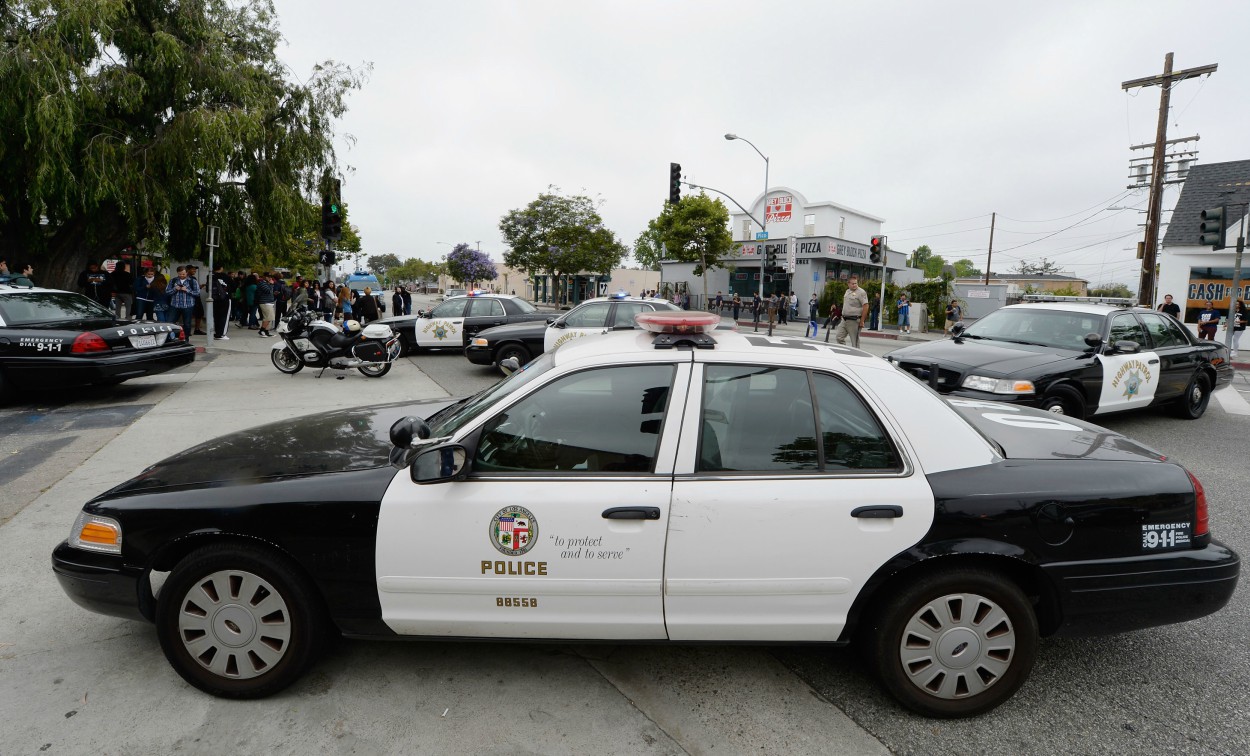
It started like any other day inside the bustling precinct of the Los Angeles Police Department, where whispers echo louder than sirens. Daniel Flores, an officer tasked with unearthing the truth about potential recruits, found himself knee-deep in a more sinister investigation. Hidden voices, ones that spoke of racism and sexism, filled his recordings. These were not just idle chatter, but seemingly ingrained prejudices within the ranks. Before long, Flores became the focal point of a legal storm. He now faces charges that could land him behind bars for over a decade, highlighting the precarious balance between upholding the law and exposing its violations.
Flores, aged 43, now faces 16 felony counts for his clandestine recordings of fellow officers, a story first reported by CBS Los Angeles. These tapes, numbering over 120, were brought to the LAPD’s Internal Affairs Bureau as part of an anonymous complaint. Each tape potentially documents conversations laced with prejudice, painting a troubling picture of the department's internal culture. Instead of the expected introspection and reform, they sparked a controversy, raising questions about the department’s readiness to confront its own flaws. Did Flores cross a legal line, or was he simply a whistleblower aiming to cleanse a tainted culture by exposing uncomfortable truths?
The district attorney, Nathan Hochman, was quick to condemn the derogatory remarks allegedly captured. However, he insisted that these recordings violated California's privacy laws, which protect confidential conversations, even if their content is offensive. Flores, who did not release the tapes publicly, had handed them over to internal investigators, hoping for accountability within the ranks. His actions were a calculated risk, driven by the belief that internal mechanisms would address the misconduct. Yet, the legal framework places him in a precarious position, illustrating the complex interplay between privacy rights and the imperative to challenge systemic wrongdoing.
The recordings were made while Flores was part of a unit responsible for conducting background checks on job candidates. This context is crucial, as such units should be paragons of integrity, tasked with evaluating the character of future officers. Yet, the alleged conversations painted quite the opposite picture, suggesting a pervasive culture of bias among those entrusted with maintaining standards. The tapes, if deemed admissible, could expose a deeply ingrained culture of prejudice within the LAPD. Attorney Alan Jackson, representing Flores, argues that the case against his client is not just about illegal recordings but about a system that punishes disclosure over discretion, preferring to shield itself from scrutiny.
Indeed, the LAPD’s response was swift but not in the direction Flores anticipated. The charges against him signal a broader issue within the department, an apparent reluctance to confront internal biases unless legally required. This response puts a spotlight on the department’s priorities, highlighting a potential preference for preserving its own reputation over addressing systemic issues. The case against Flores shines a spotlight on the institutional barriers to reform, where the focus shifts from addressing the substance of accusations to penalizing the methods used to bring them to light. It suggests a troubling inclination to prioritize image over accountability.
This incident is not isolated in the annals of LAPD history. Similar cases have peppered the department's past, like the notorious 2014 incident involving Officer Frank Lyga, who was fired after making racially insensitive remarks. This history of inappropriate conduct shows a persistent challenge within the LAPD: the struggle to eradicate entrenched prejudices. Moreover, the culture of silence and retaliation against whistleblowers isn't unique to Los Angeles. Other cities like Houston have grappled with similar challenges, as seen in the 2024 viral rant of an officer that led to public outrage and calls for systemic change, reflecting a nationwide issue in law enforcement culture.
This is more than about Flores. It's about a system where the line between right and wrong is blurred by legal jargon and bureaucratic processes.
The punitive response to Daniel Flores raises a critical question: does the system truly support whistleblowers?
First, let's consider the implications for Flores. The charges he faces could deter other officers from coming forward with evidence of misconduct, reinforcing a culture of silence. The punitive response to Daniel Flores raises a critical question: does the system truly support whistleblowers, or does it create an environment where fear of reprisal outweighs the duty to report wrongdoing? This case highlights a potential disconnect between official policies that claim to encourage transparency and the real-world consequences faced by those who speak out. It suggests a system more interested in maintaining a façade of unity, even at the cost of truth.
For the LAPD and law enforcement in general, this case shows a pressing need for transparent channels that protect those who report misconduct. Without these safeguards, the culture of silence will persist, eroding public trust and undermining the integrity of those sworn to uphold the law. The department's choice to support charges against Flores rather than address the content of the tapes suggests a preference for damage control over genuine reform. This approach risks alienating the community and the officers within it, who may feel unsupported when attempting to address internal issues, thereby perpetuating systemic problems.
For the community watching this drama unfold, there's a sense of déjà vu. Many have long suspected that systemic issues plague the justice system, and this case seems to confirm those fears. The recordings, though captured unlawfully, offer a rare glimpse into the underbelly of law enforcement, exposing attitudes that are often hidden from public view. The public deserves a system that acknowledges its flaws and takes decisive steps to correct them, ensuring that justice is not just a theoretical ideal but a practical reality. This case challenges the LAPD to confront its demons and to rebuild trust with the communities it serves.
Race and class dynamics are deeply interwoven into this narrative, reflecting broader societal issues. Policing in America has historically been fraught with racial tensions, and the LAPD is no stranger to this ongoing struggle. The alleged remarks on the tapes highlight a broader societal issue where minority communities often bear the brunt of institutional biases, fostering distrust and resentment. For the LAPD, this is not merely a legal battle; it's a fight for the department's soul, a crucial moment to demonstrate a commitment to equality and justice, transcending beyond mere compliance with legal standards to genuine cultural transformation.
As Flores prepares for his arraignment on August 10 at the Foltz Criminal Justice Center, the stakes couldn't be higher. The legal proceedings will test not only Flores but also the very foundation of accountability in law enforcement. The public will be watching closely to see if justice will be served or if the scales will tip in favor of preserving institutional norms. The outcome of this case could set a precedent for how similar situations are handled in the future, determining whether the narrative of silence and suppression in policing will continue unchecked or if this marks a turning point towards meaningful reform.