LeBron James' 76ers Debut: What It Means for Black Athletes and the NBA
By Andre Coleman, PowerVault Staff Under the flickering lights and the palpable electricity of the Wells Fargo Center, LeBron James stepped onto the Philadelphia court wearing something other than the iconic purple an...

Advertisement

By Andre Coleman, PowerVault Staff
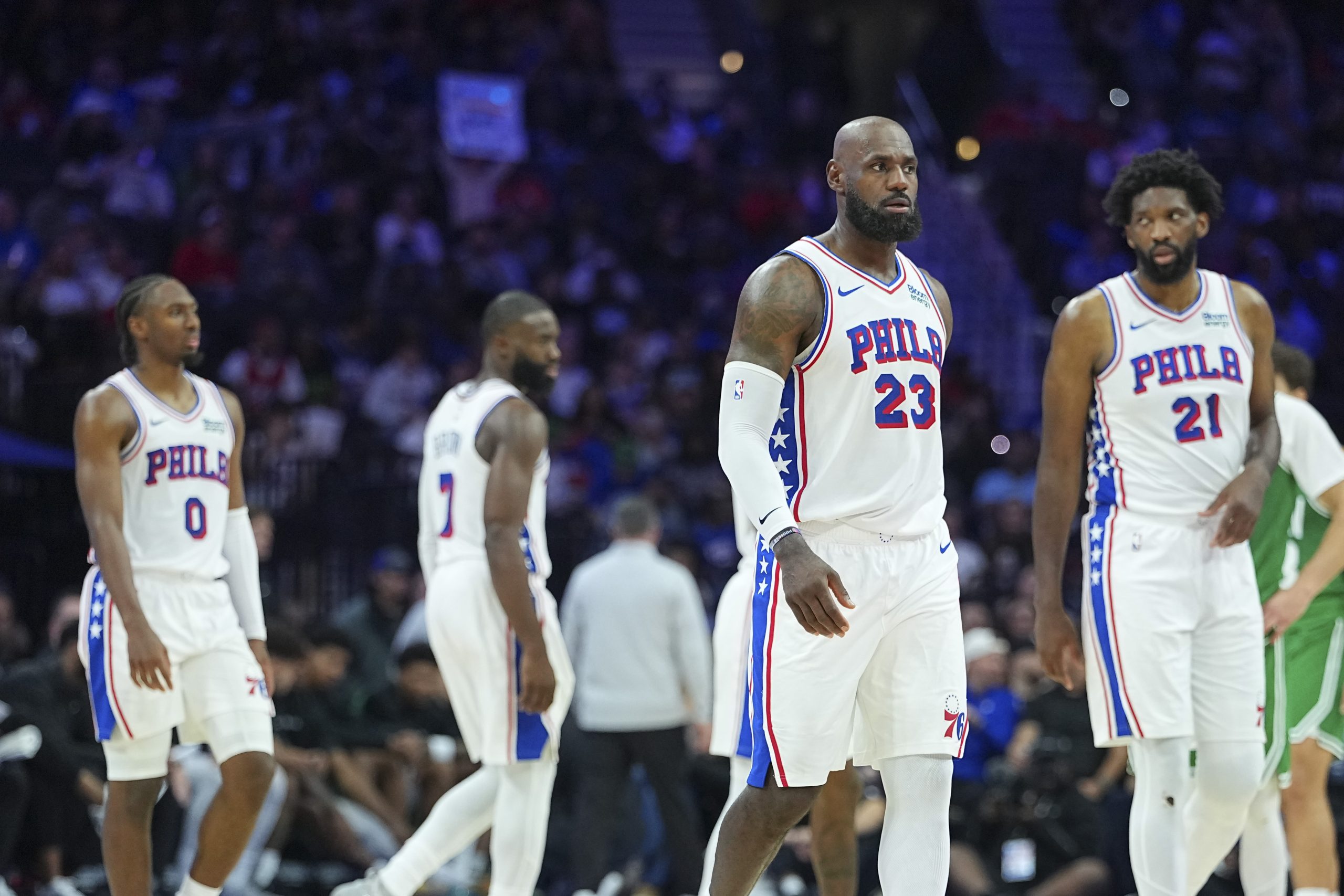
Under the flickering lights and the palpable electricity of the Wells Fargo Center, LeBron James stepped onto the Philadelphia court wearing something other than the iconic purple and gold for the first time in nearly half a decade. His presence felt like a seismic shift, drawing every eye, camera, and headline his way. But beyond the cheers and the spectacle, there was a story that rippled through every undercurrent, a tale not just of basketball but of legacy, power, and the ever-evolving journey of Black athletes in the NBA. This was more than a game; it was a moment steeped in the complex narratives of race and resistance that have long shaped the league. In a city that resonates with both historical triumphs and ongoing struggles, LeBron's arrival was a reminder of the profound impact a single figure can have on a sport and its cultural fabric.
LeBron's debut with the 76ers was nothing short of cinematic. According to reports by ESPN and other outlets, he delivered a masterclass performance, leading his team to a decisive victory over the New York Knicks. But this is more than about points on a board; it was about a player who has been at the forefront of sports and culture for years, handling a sea of expectations and scrutiny. It's a narrative that stretches far beyond the court and into the heart of what it means to be Black in an arena still dominated by white ownership and management. This debut wasn't merely a showcase of athletic prowess; it was a broader cultural statement. As LeBron took to the court, he was acutely aware of the symbolic weight he carried, representing not just himself or his team, but the hopes and aspirations of countless young athletes who see him as a beacon of possibility.
LeBron's performance wasn't just a personal triumph; it was a statement. He scored 28 points, grabbed 12 rebounds, and dished out eight assists, reminding everyone why he's still one of the most formidable players in the game. His agility and court awareness were on full display, setting the tone for what could be a transformative season for the 76ers. With every drive to the basket and every strategic pass, LeBron demonstrated not only his skill but his deep understanding of the game. It was a performance that underscored his continued relevance and dominance, proof of his enduring physical prowess and mental acuity. Beyond the statistics, however, was the undeniable message that LeBron was sending: that he remains a pivotal figure in the NBA's scene, capable of altering the course of a franchise with his mere presence.
In the grand mix of the NBA's history, LeBron's journey has been one of both exceptional talent and unwavering advocacy. He's not just an athlete; he's a beacon for change, constantly pushing boundaries to recalibrate the power dynamics that govern the league. His decision to join the 76ers wasn't just about basketball; it was a strategic move designed to leverage both his influence and his voice in a city rich with cultural and historical significance. Philadelphia, with its deep-rooted connections to the civil rights movement and its vibrant Black community, offers a fitting backdrop for LeBron's continued activism. His presence there is not only about winning games but also about engaging with a community that mirrors his own values and aspirations. By choosing Philadelphia, LeBron is making a deliberate statement about where he believes his efforts can have the most profound impact, both on and off the court.
This move also highlights the growing trend of players taking control of their own narratives, choosing where and how they want to play the game, not just for personal gains but to inspire future generations. In an era where athletes command their own brands, LeBron's pivot to Philadelphia says a lot about self-determination and empowerment. He addressed it head-on in the post below, emphasizing the importance of ownership over one's career and legacy. LeBron, like other modern athletes, understands that the power to shape public perception and influence societal change lies in the ability to control one's destiny. By making this choice, he's not only setting a precedent for his peers but also sending a powerful message to young athletes everywhere: that they too can chart their own course, defining success on their own terms and using their platforms to drive meaningful change in the world.
To understand this moment, one must revisit the history of Black athletes handling predominantly white sports leagues. From the days of Bill Russell's stoic resistance to today's player activism led by figures like Colin Kaepernick and Megan Rapinoe, the fight has always been about more than just sport. LeBron's latest move echoes the bold decisions made by athletes like Magic Johnson and Michael Jordan, who navigated their careers in ways that reshaped the industry. The 2020 NBA strike following Jacob Blake's shooting was another clear moment where players flexed their collective muscle, showing that their impact extends far beyond the hardwood. These instances are part of a broader continuum of athletes leveraging their visibility to challenge systemic inequalities and advocate for justice. LeBron's decision to join the 76ers is a continuation of this legacy, reinforcing the idea that athletes have both the right and the responsibility to stand up for their communities and demand change.
Yet, no matter how much the game seems to have evolved, the core issues remain: who controls the narrative? Who benefits most from these athletes' talents?
LeBron might be the face of this game, but the game still belongs to them.
LeBron's presence in Philadelphia is more than just a roster change, it's a cultural crossroads. Here is a player who has always defied convention, choosing to use his platform to speak against social injustices, be it through his 'More Than a Vote' campaign or by calling out systemic inequalities. His transition to the 76ers highlights the importance of athletes aligning with communities that not only embrace their talents but also their values. For Philadelphia, a city with its own storied history of racial and social complexities, LeBron's arrival signifies a new chapter of synergy between player and people. This is a city that has long been a battleground for social justice, and LeBron's presence will likely amplify these efforts. His influence extends beyond the court, as he becomes an integral part of the community's dialogue, using his platform to shine a light on issues that matter most to the people he represents.
For the NBA, this move shows the shifting power dynamics between players and the league's governance. As athletes like LeBron gain more control over their careers, they're also reshaping how the league operates. This is more than about player mobility; it's about athletes reclaiming their narratives and demanding more than just financial equity. It's about advocating for social change within a system that has historically been slow to respond. The league's power structure, traditionally held by owners and executives, is being challenged by players who recognize their influence and are unwilling to remain silent. LeBron's decision to join the 76ers is emblematic of this shift, as it represents a deliberate choice to align his career with his values. By doing so, he not only sets a precedent for future athletes but also challenges the league to evolve, pushing it toward greater inclusivity and responsiveness to the voices that truly drive its success.
From a broader cultural perspective, LeBron's debut is a reminder of the duality Black athletes face. They're celebrated for their prowess, yet often scrutinized for their activism. LeBron might be the face of this game, but the game still belongs to them. His career continues to challenge what it means to be a Black athlete in America, highlighting both the progress made and the work still needed. Fans and future players alike will watch closely, inspired by his ability to balance excellence in sport with a commitment to societal change. LeBron's journey is emblematic of the broader struggle for racial equality, as he navigates the intersection of identity, politics, and performance. His actions and words serve as a powerful reminder that the fight for justice is ongoing, and that athletes have a unique role to play in shaping the future of both their sport and society at large.
Advertisement
The racial dynamics at play here cannot be ignored. The NBA, while being predominantly Black in terms of players, operates under a starkly different racial hierarchy off the court. Ownership, executive roles, and even coaching positions often remain elusive to Black professionals. LeBron's career decisions and his broader influence challenge these structures, urging other athletes to do the same. In a league where the power should be equitably distributed amongst those who generate its wealth, his actions serve as both a blueprint and a rallying cry. His move to the 76ers is not just about personal achievement; it's about advocating for systemic change and encouraging others to demand their rightful place at the table. By leveraging his platform, LeBron is actively working to dismantle the barriers that have long restricted opportunities for Black individuals within the league, setting a new standard for what is possible when athletes unite in pursuit of a more equitable future.
Looking ahead, LeBron's move to the 76ers sets the stage for both immediate and long-term impacts. His presence is expected to elevate the team's performance, potentially bringing championship aspirations to Philadelphia. More importantly, his voice will continue to resonate, hopefully inspiring more athletes to embrace their platform as a tool for change. As LeBron writes this new chapter, the message is clear: the journey is far from over, and the game is evolving. As he continues to redefine his legacy, the world watches, ready for the next move. His influence extends beyond the arena, as he challenges the status quo and advocates for a future that prioritizes justice and equality. LeBron's career is proof of the power of perseverance and the impact that one individual can have on a global scale, inspiring countless others to follow in his footsteps and use their voices to effect meaningful change.