Lil Durk Refuses to Testify in His Murder-for-Hire Trial: What This Means for Hip Hop
By Simone Walker, PowerVault Staff The courtroom buzz is thick with tension. Lawyers shuffle papers, and the atmosphere feels heavy, as if the weight of the world rests on the shoulders of everyone present. Lil Durk,...
Advertisement

By Simone Walker, PowerVault Staff
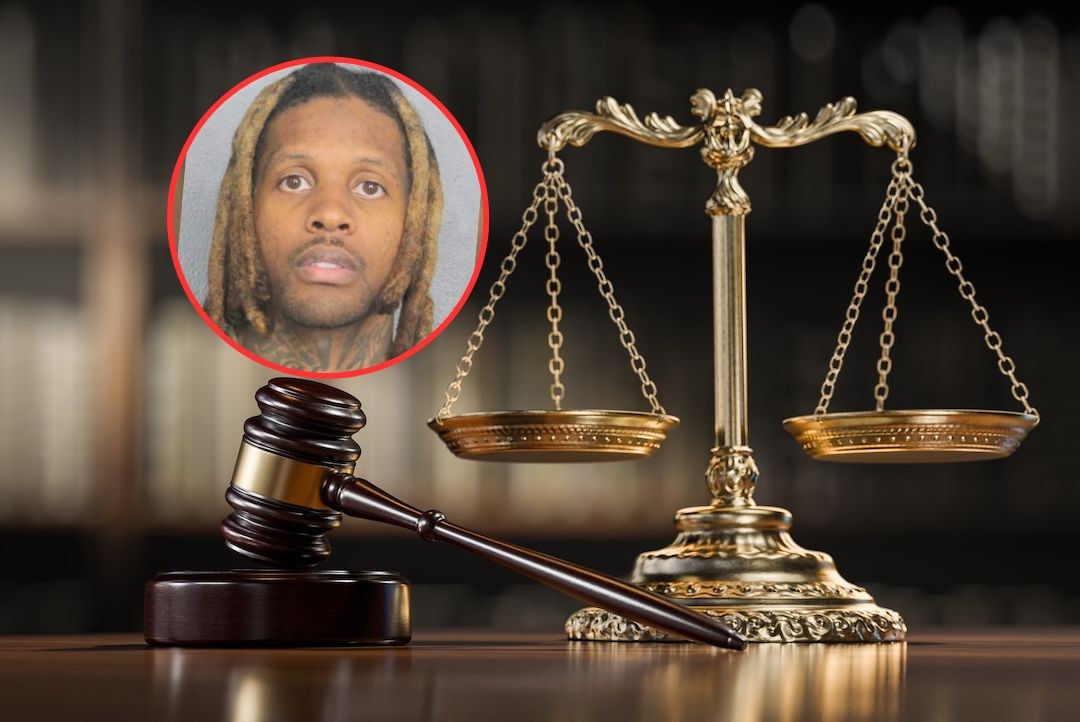
The courtroom buzz is thick with tension. Lawyers shuffle papers, and the atmosphere feels heavy, as if the weight of the world rests on the shoulders of everyone present. Lil Durk, the famed Chicago rapper and leader of OTF, sits at the center of it all, faced with a murky trial that could change everything. But in a bold move, he’s chosen to take the stand,or rather, not take the stand at all. News breaks that Durk will not testify in his murder-for-hire trial, and neither will his associates OTF Dede and Browneyez. What does this refusal mean for him, his crew, and the broader landscape of Hip Hop?
In a culture where loyalty is everything, Durk's decision speaks volumes. The ramifications of snitching are known all too well in the streets. From the days of the infamous East Coast-West Coast beefs to the more recent tensions surrounding artists like Tekashi 6ix9ine, the code of silence remains sacrosanct. The streets are unforgiving; they prioritize honor among thieves over all. Durk’s choice to keep his lips sealed is not just about his freedom,it's a reaffirmation of that code. It’s a signal to fans and the game that he’s sticking to his principles, no matter the cost.
This isn’t just another case in a string of unfortunate events for rappers tangled in legal issues. Lil Durk’s saga intertwines with a larger narrative of violence and accountability in the industry. With the rise of drill music, a sound that often meditates on life and death in the urban landscape, we see artists grappling with their realities and the consequences of their art. Durk’s current predicament highlights a critical tension,how do artists navigate the line between expressing their truth and facing the law? It’s a dance that many have failed, ending in incarceration or worse.
In the past year, we’ve watched a number of artists, including Young Thug and Gunna, face their own battles with the law, drawing national headlines and highlighting the systemic failures within the criminal justice system. There’s always been a complicated relationship between Hip Hop and law enforcement, marked by racial undertones and class conflict. With Durk in the spotlight, the industry has to reckon with how these issues intersect. His trial is not just encasing one man’s fate; it’s a broader indictment of a society that often fails to protect its most vulnerable while simultaneously criminalizing their narratives.
When a major figure like Durk opts to remain silent, it poses challenging questions about accountability. In the era of social media, where every move is scrutinized and every statement dissected, what does it mean for an artist to maintain his silence? It can be seen as a refusal to play the game that the system sets before him, but it also raises concerns about the pressures placed upon artists from their communities. Are they expected to shoulder the burdens of their environment while remaining untouched by its consequences? It’s a paradox that continues to haunt the culture.
Moreover, the implications of Durk’s stand extend far beyond his personal situation. They echo throughout the industry, where the lines between artistry and reality are often blurred. The glorification of street life in music has led to a slew of artists facing legal backlash,often for actions that might have been romanticized in their lyrics. Durk’s case serves as a reminder that the very tales that propel careers can also lead to perilous endings.
As this saga unfolds, it’s essential to pay attention to how it shapes public perceptions. The court of public opinion can be just as harsh as a courtroom’s verdict. Fans and observers will watch closely, dissecting every decision Durk makes. Will his refusal to testify shield him from extra scrutiny, or will it make him a target for further speculation about his involvement? The risk of facing the consequences without the comfort of being able to explain oneself is a heavy burden to bear.
Beyond the immediate legal implications, there’s a cultural narrative at play. Durk’s story is a chapter in the ongoing saga of Hip Hop’s relationship with the law. The music is birthed from struggle, but how do artists convey that without becoming entangled in the very systems they critique? Lil Durk stands at a crossroads, where choices made in the courtroom could ripple through the fabric of the culture.
As the trial progresses, the stakes grow higher. Fans are left questioning what this means for the future of OTF, for Durk himself, and for the Hip Hop community. The refusal to speak in court may rally supporters around him, bolstering his image as an unyielding figure loyal to his crew. But it also carries the weight of potential repercussions, both legally and within his community. Once the dust settles, where will he stand? What will becoming a martyr mean in a culture that often romanticizes incarceration?
Advertisement
So, eyes are glued to the courtroom, minds are racing with possibilities. The silence can be deafening, but it speaks volumes. What does it say about Hip Hop when an artist decides to forgo his chance to testify? Only time will tell, but one thing is for sure: this story is far from over, and the ramifications of Durk's choice will resonate well beyond the trial. The streets are watching, the industry is listening, and Hip Hop continues to evolve in ways that challenge its very nature.
View this post on Instagram
As the narrative unfolds, it's crucial to challenge ourselves as fans and participants in the culture. How do we support our artists while holding them accountable? What roles do we play in amplifying their voices while also recognizing the complex realities they navigate? Lil Durk's silence isn't just about him,it's a mirror held up to all of us. And as we watch this story develop, it’s a call to engage critically with the art, the artists, and the systems that shape them.