Lil Durk's Acquittal: Behind the Scenes with the Juror Who Helped Free Him
By Malik Carter, PowerVault Staff This courtroom tale is one for the books, not just because it involves Lil Durk, a heavyweight in the rap game, but because of what it says about justice, celebrity, and the labyrinth...
By Malik Carter, PowerVault Staff
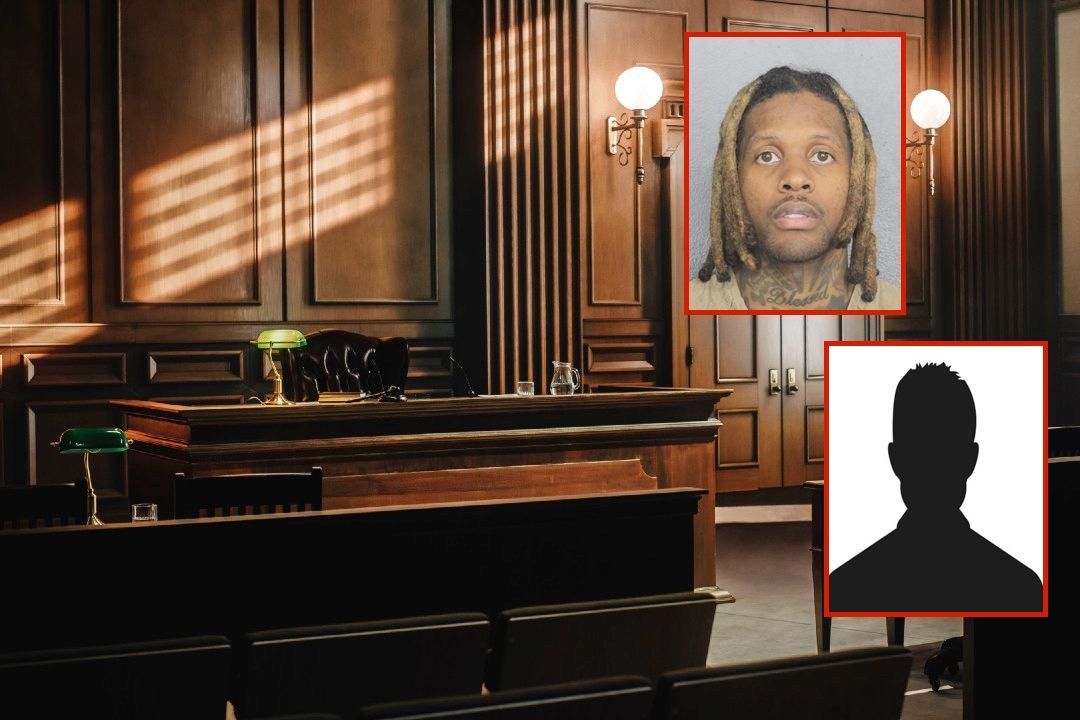
This courtroom tale is one for the books, not just because it involves Lil Durk, a heavyweight in the rap game, but because of what it says about justice, celebrity, and the labyrinth of public perception. While the verdict was celebrated by Durk's fans and the entire OTF family, the story of how it came to be is as compelling as any of his rhymes. Recently, an anonymous juror stepped into the spotlight to break down the deliberation process, offering a rare glimpse into the decision-making that set Durk free.
Durk, whose real name is Durk Derrick Banks, faced serious charges that could have ended his career and changed the narrative of modern hip-hop. The courtroom was buzzing, and the stakes were high. In the end, the jury acquitted him, a verdict that surprised both critics and fans. Now, we get to hear how it all unfolded from someone who was there, in the room, weighing the scales of justice.
In a candid interview, the anonymous juror revealed the complexities and pressures that come with such a high-profile case. "We were aware of who he was," they admitted. Yet, the juror insisted that celebrity status didn’t sway the decision. This isn't the first time a jury has had to wrestle with public figures and the shadow their fame casts over their legal battles. Remember when Snoop Dogg faced murder charges in the '90s? The dynamics may differ, but the underlying issues of fame, bias, and public scrutiny remain unchanged.
The interview peeled back layers of the deliberation process. While the media often simplifies jury decisions to “guilty” or “not guilty,” the reality involves heated debates, long hours, and the personal convictions of each juror. According to the juror, there were moments of intense disagreement, but ultimately, the evidence, or lack thereof, spoke louder than any preconceived notions about Durk's music or persona.
One video clip circulating on the net shows a breakdown of the courtroom scene, further illustrating the tension and drama that enveloped the trial.
Durk's legal team played their cards right, strategically showcasing doubt about the prosecution's narrative. It’s a reminder of how skilled attorneys can dramatically swing a case, especially when dealing with vague evidence. The defense’s argument hinged on the idea that the prosecution failed to prove Durk's guilt beyond a reasonable doubt, a move that resonated with the jurors.
Now, let’s dig a little deeper into what this means for hip-hop. Lil Durk is not just an artist; he's a symbol of resilience and the struggle for legitimacy within a system that often feels rigged against Black men. His acquittal sends a message, both to aspiring artists and to the industry at large, that the fight isn't just in the booth, it's in the streets and the courts where real lives hang in the balance. This trial was more than just legal drama; it was a cultural event that reminded everyone watching of the systemic hurdles many artists face.
There's no denying the racial and social dynamics at play here. Hip-hop artists, particularly those of color, frequently deal with heightened scrutiny. The courtroom becomes another arena where artists must handle assumptions and stereotypes. Durk's case taps into a long history of Black artists being targeted by the legal system, from Tupac and Biggie to more recent cases involving Meek Mill and A$AP Rocky. Each case chips away at the belief that justice is blind.
The impact of Durk's legal victory extends beyond his career. It emboldens the community, feeding a narrative of triumph over adversity that hip-hop thrives on. Fans see themselves in Durk's journey, understanding that his fight is reflective of their own battles, whether legal, societal, or personal.
As for the industry, this verdict won't be the last chapter. As long as hip-hop continues to exist as a voice for the marginalized, the tension between artistry and legality will persist. Labels and executives are watching closely, taking notes on how legal entanglements can affect sales, image, and longevity. Durk's acquittal shows the precarious relationship between artists' personal lives and their professional endeavors.
Another clip below showcases the celebration after the verdict, capturing a moment that felt like vindication for Durk and his supporters.
Looking forward, the question remains: How can the system change to better serve justice, rather than perpetuate cycles of inequality? The juror's insight into the deliberations provides a glimpse of hope, a reminder that individuals within the system can rise above bias, even if the system itself needs reform. It's a call to action for the community to continue advocating for fairness, transparency, and accountability.
The journey doesn't end here. For Lil Durk, it's a moment to reflect and press on, using his platform to speak on issues that matter. For hip-hop, it's a reminder of its power to influence, inspire, and instigate change. And for the audience, it's a call to stay engaged, informed, and ready to challenge the narratives that don’t serve us.
Durk's case taps into a long history of Black artists being targeted by the legal system, from Tupac and Biggie to more recent cases involving Meek Mill and A$AP Rocky.