
Lil Durk's Legal Battle: Jay-Z, J. Cole, and Even Victim's Mom Appeal to Judge
By Jasmine Reed, PowerVault Staff Lil Durk's ongoing legal saga took an extraordinary turn this week, bringing some of hip-hop’s most influential voices into the courtroom. Heavyweights like Jay-Z and J. Cole have tak...
Advertisement

By Jasmine Reed, PowerVault Staff
Lil Durk's ongoing legal saga took an extraordinary turn this week, bringing some of hip-hop’s most influential voices into the courtroom. Heavyweights like Jay-Z and J. Cole have taken up pens in defense of the Chicago rapper, who finds himself embroiled in a legal battle that seems to stretch with no end in sight. Fresh off a murder-for-hire acquittal, Durk now faces racketeering charges that threaten to derail his career and personal life. The letters penned by these industry giants are more than just endorsements; they are powerful affirmations of Durk's significance to the culture, his family, and the community that rallies behind him. This quest for freedom isn't just about one man, it carries the weight and hopes of an entire musical community that understands the stakes involved.
According to XXL, Durk's legal team has been meticulously building a case for his pretrial release, filing exhibits that include an updated bond package and a slew of character endorsements. These letters from influential figures aim to convince the court of the inherent value of granting Durk his freedom, even as he awaits trial. Among the most surprising endorsements is the support from the mother of Saviay'a 'Lul Pab' Robinson, the man whom Durk was acquitted of murdering. Her lack of objection says a lot in a scenario where lines are often sharply drawn. This collective backing shows not just the rapper's personal transformation but also the broader communal benefits of having him free, illustrating his role as a pillar in both the music scene and his neighborhood.
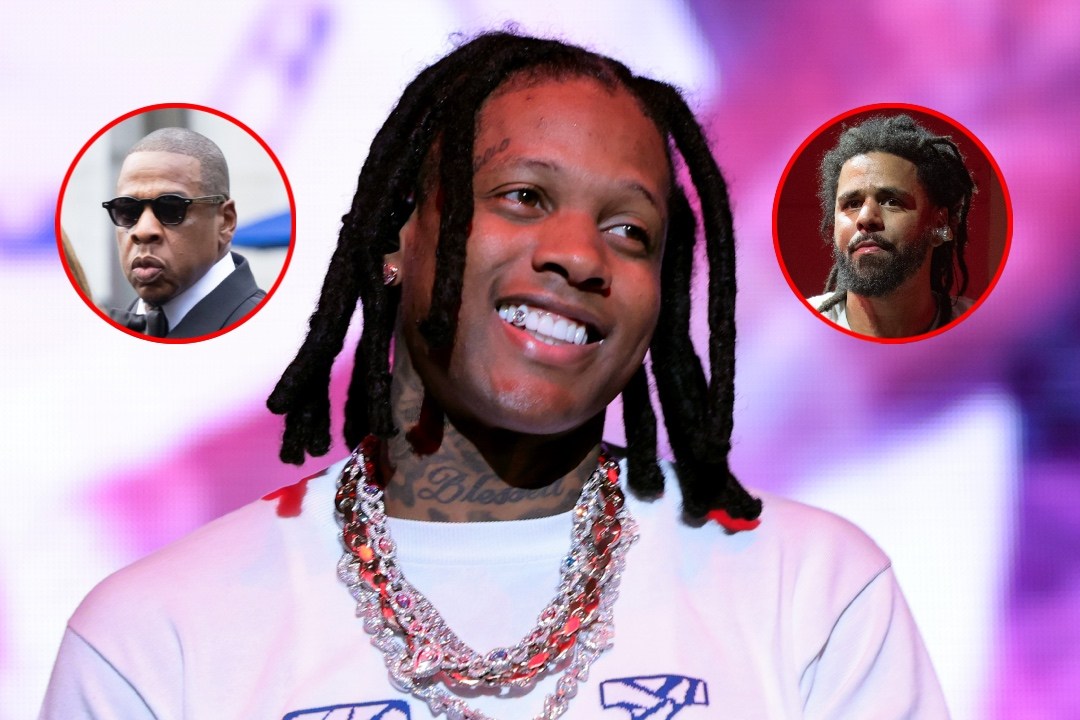
Jay-Z and J. Cole, two titans in the music industry, have both made compelling cases for why Durk's presence is vital, not just to his family but to the larger community. In his letter, Jay-Z emphasized the ripple effect of Durk's positive influence, noting how his contributions extend beyond the studio and into the neighborhoods he affects. This is more than lip service; it's the kind of backing that comes from firsthand observation of Durk's impact. Similarly, J. Cole, who collaborated with Durk on the Grammy-winning track "All My Life," reinforced these sentiments by highlighting Durk’s dedication to his family responsibilities and community obligations. The public has taken notice, and these heartfelt appeals have sparked widespread discussion about Durk's role as a community figurehead.
The legal argument for Durk's release is robust, particularly with his label, Sony, stepping up in a way that's almost unheard of. Offering to put up $1 million to secure his release, Sony demonstrates a level of commitment to Durk's career that says a lot about their belief in his talent and potential. By allowing Durk to forfeit future earnings toward the bond, Sony is making a calculated gamble, indicating they see immense value in his continued freedom and career momentum. This move isn't just about money; it's about recognizing the broader implications of keeping an artist like Durk out of a system that might stifle his creative output. It's a bold statement from a major label, reflecting both the financial stakes involved and the cultural importance of his music.
Meanwhile, the court's previous denial of Durk's bond highlights the severe conditions he's up against. The judge's assertion that any bond conditions would need to leave him financially crippled paints a grim picture of what freedom could cost him. This latest bond offer, backed by significant cash and property, including Durk's mother's home, shows the lengths his team is willing to go. It's a desperate maneuver that reveals the high stakes of his legal battle. This move isn't just about financial collateral; it symbolizes the emotional and familial investment in Durk's future. The gravity of the situation is palpable in the public pleas and videos circulating online, capturing a moment of intense vulnerability and hope for a fair chance at justice.
Durk's current predicament is a chilling echo of hip-hop's long-standing clashes with the justice system, reminiscent of battles faced by artists like Lil Wayne and Meek Mill. These cases aren't just isolated incidents; they show a systemic issue where Black artists frequently find themselves at odds with a legal framework that often seems predisposed against them. Meek Mill's 2017 case, where influential figures like Jay-Z rallied for his release, illustrates the precarious balance artists must maintain between their craft and legal entanglements. Both Durk's and Meek's experiences highlight the precarious tightrope that Black artists walk, handling a system that demands more than it gives, often leaving them to fend for themselves in a scene where justice feels like a moving target.
The bigger question is why Durk's freedom should come with the risk of leaving him destitute.
The bigger question is why Durk's freedom should come with the risk of leaving him destitute.
This situation is a stark reminder of the power dynamics at play between artists and the justice system, one that often seems to disproportionately target Black success. For many in the hip-hop community, Durk's case isn't just about one rapper's freedom; it's about challenging a system that demands he risk everything for a shot at justice. The stringent terms set for his release beg the question of what hope remains for those without Durk's level of industry clout. The letters from Jay-Z and others extend beyond mere support for Durk, questioning the fairness of a system that seems to penalize Black artists for their success, demanding sacrifices that would leave most artists financially and emotionally drained.
The music industry isn't just a bystander in these dynamics; it plays a complicated role, often profiting from the artists' struggles while rarely stepping in unless it's financially advantageous. Durk's situation lays bare the contradictions within an industry that benefits from an artist's turmoil yet seldom intervenes until the stakes are too high to ignore. This scenario raises serious questions about exploitation, where the system profits off an artist's art and pain, contributing to their downfall. It’s a cycle where labels reap the rewards of an artist's creativity and resilience but frequently abandon them when they face the real-world consequences of a legal system stacked against them.
For fans and the community, Durk's story is more than a legal battle; it's a sobering reflection of the broader fight for justice and systemic change. It challenges us to think beyond the beats and bars, to consider how we support artists in their pursuit of equity and fair treatment. This is more than about streaming their music; it's about advocating for a system that doesn't penalize them for their success or the color of their skin. The community's rallying cry, captured in countless social media posts, shows the importance of standing behind Durk, not just as a fan but as an ally in a struggle that speaks to broader issues of racial and economic justice.
Advertisement
Underneath this legal drama lie deeper, entrenched racial and class dynamics that have long plagued the American justice system. It's no secret that race can heavily influence legal proceedings, and Durk's case is no exception. The notion that he must risk financial ruin for his freedom points to a broader issue: how Black wealth is scrutinized and weaponized in legal contexts. This case shines a glaring light on the disparities in how justice is applied, often depending on one's skin color and financial status. Compared to wealthier, predominantly white individuals who face fewer restrictions, Black artists like Durk must handle a system that demands they prove their worthiness for freedom in ways that others are never asked to.
As Durk's bond hearing approaches on November 4th, the courtroom will become a stage where issues much larger than one man's freedom are put on trial. This case is more than a headline; it's a reflection of a broader fight for equity and justice within the hip-hop community and beyond. While the court's decision will be pivotal, the cultural conversation it sparks about justice and financial exploitation will continue regardless of the outcome. Fans and supporters hope the verdict sets a precedent for fair treatment of Black artists entangled in a legal system that often feels unjust. Whether Durk walks free or not, this moment challenges us all to rethink what justice means and how we support the artists who shape our culture.
