Lil Durk's Legal Battle: What's Next in His Racketeering Case
By Simone Walker, PowerVault Staff The air is thick with tension and unease. Chicago's own Lil Durk, a staple in the drill music scene, finds himself entrenched in legal turmoil that could shift the trajectory of his...
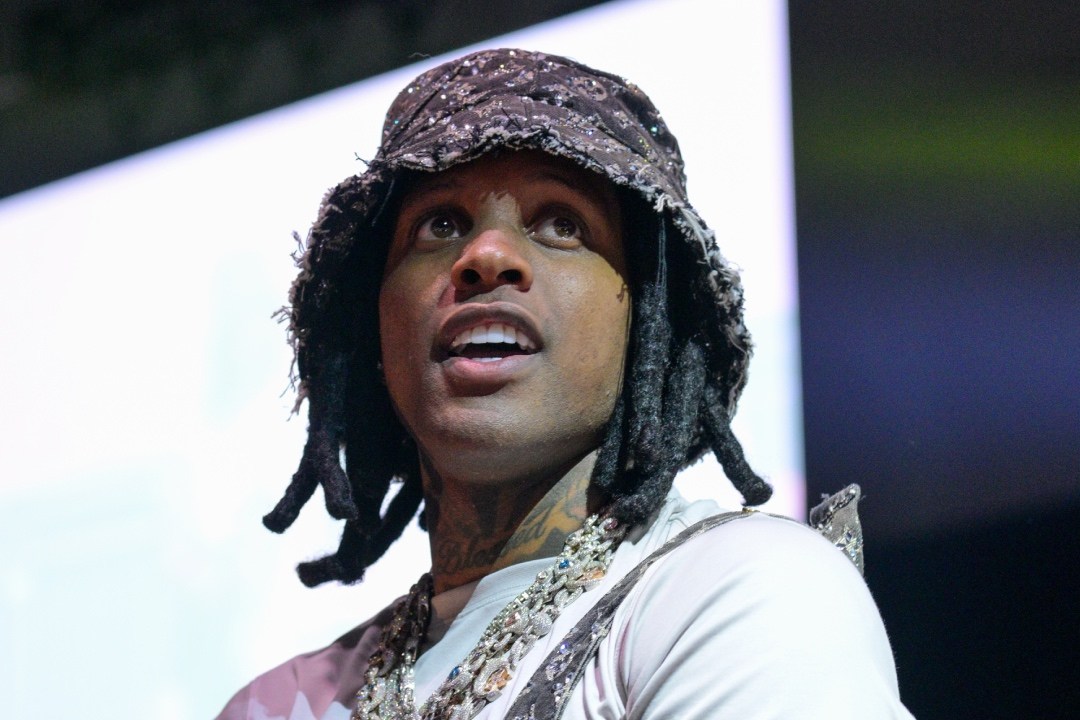
By Simone Walker, PowerVault Staff
The air is thick with tension and unease. Chicago's own Lil Durk, a staple in the drill music scene, finds himself entrenched in legal turmoil that could shift the trajectory of his career and the narrative around him. This is not just another headline; it's a moment that echoes the often perilous intersection of hip-hop artistry and the law.
Durk, whose real name is Durk Derrick Banks, is no stranger to legal battles. But this time, the stakes are heightened. He's facing serious charges: racketeering, alongside accusations tied to an alleged murder. The courtroom is not an unfamiliar place for him, yet this trial amplifies the risks involved, not just personally but professionally. According to reports, he will remain in jail as he awaits his day in court, and the hip-hop community is on high alert, watching, waiting, and wondering how this will play out.
Lil Durk's influence in the music industry is undeniable. From his beginnings in the Chicago drill scene to collaborations with A-listers like Drake and Future, Durk has solidified his place as a force to be reckoned with. But with great influence comes great scrutiny. The charges against him could be career-defining, not just for Durk, but for the image of hip-hop artists as a whole.
At a time when art often imitates life, and vice versa, hip-hop has long been scrutinized for its gritty portrayal of life on the streets. Lil Durk's situation puts a spotlight on this dynamic. It's a narrative as old as the genre itself, artists entangled in the legal system, accused of living the very stories they tell in their music.
The clip that set the timeline off is below.
And let's talk about the legal system for a minute. There's a history, a pattern, where Black artists seem to face an uphill battle in the courtroom. Some say it's systemic, others call it a societal flaw, but the result remains the same. The music industry has seen this before, with figures like Tupac Shakur and Meek Mill, whose legal troubles were interwoven with their artistic identities. The question is whether the system is set against these artists or whether they're paying a heavy price for living the life they rap about.
Yet, the industry keeps turning. While Durk's legal issues make headlines, his music continues to stream, and his influence persists. It's an odd juxtaposition, an artist behind bars still managing to hold a presence in the music charts, a reality made possible by digital platforms that allow instant access to artists' work.
The hip-hop community, particularly on social media, has been vocal. From fans to fellow artists, there's an outpouring of support and the inevitable debates about justice. Social media has turned into an arena for public opinion, where voices in support of Durk argue that he is being targeted because of his race and status. Others, however, urge a wait-and-see approach, advocating for the law to take its course.
He addressed it head-on in the post below.
The conversation around Lil Durk goes beyond the charges. It's about who gets to tell their story and how their narrative is controlled. In an industry that profits off authenticity, the line between lived experience and artistic expression often blurs. Durk's legal battle is a reflection of this dichotomy.
We can't ignore the racial undertones in this whole ordeal. Hip-hop, birthed from the struggles of Black communities, remains heavily scrutinized by those outside its culture. The legal challenges Durk faces are punctuated by the fact that he's not just an artist, he's a Black man handling a system historically biased against him. This is beyond just a court case. It's about societal perceptions and the persistent influence of race in the legal arena.
And then there's the money. The industry's response to legal troubles is telling. A rapper's legal issues can boost their sales and streaming numbers, a paradox where controversy breeds commercial success. Labels often stand by their artists through these times, aware that notoriety can translate to profitability. The question is whether this support is rooted in genuine belief in the artist's innocence or the pursuit of the almighty dollar.
It's about who gets to tell their story and how their narrative is controlled.
What does this mean for the community watching all this unfold? For fans and aspiring artists, Lil Durk's situation is both a cautionary tale and a call to action. It's a reminder of the dual realities of success and the societal challenges that remain, regardless of fame.
The Instagram post below captures a moment of reflection and resilience.
Looking forward, the outcome of Lil Durk's trial will likely set a precedent for how similar cases are viewed in the public eye. It might force conversations about the role of art in legal narratives and whether artists should be judged by their lyrics. As the trial unfolds, it's a turning point for hip-hop culture and its ongoing negotiation with mainstream acceptance and legal scrutiny.
For now, the beat goes on. Lil Durk remains in the public eye, even as he faces down his legal battles, a testament to both his personal resilience and the enduring power of his music. His story continues to unfold, and with it, the broader narrative of hip-hop's place within the societal framework. Whether he's exonerated or convicted, this case will echo across the industry, influencing not just Durk's future, but potentially altering the world of rap for years to come.