Lil Durk's Racketeering Trial: What's Really Going On?
By Simone Walker, PowerVault Staff The courtroom air was thick with tension as Lil Durk awaited his bond hearing, a turning point that could determine his immediate future. This isn't just another legal battle for the...
By Simone Walker, PowerVault Staff
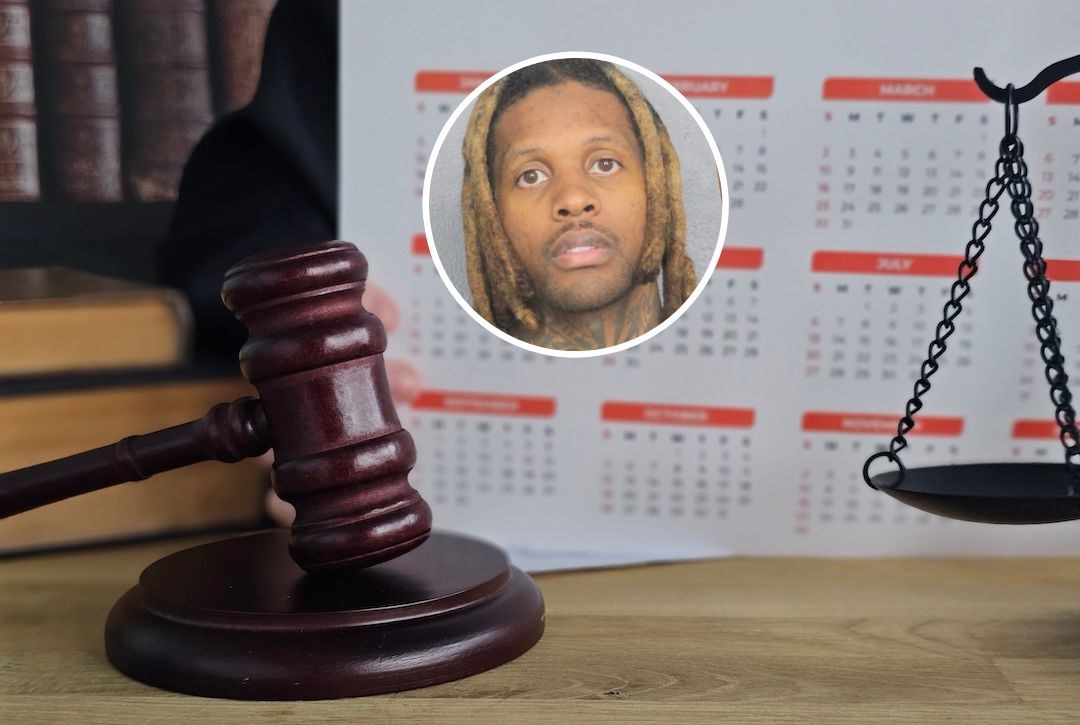
The courtroom air was thick with tension as Lil Durk awaited his bond hearing, a turning point that could determine his immediate future. This isn't just another legal battle for the Chicago-born rapper; it's a heavyweight face-off against the judicial system that has historically held a tight grip on hip hop artists. With a racketeering trial looming, the stakes couldn't be higher.
Durk, the voice of a generation that feels both marginalized and magnified, is facing serious charges that could disrupt his burgeoning career. The bond hearing scheduled ahead of his racketeering trial has everybody on edge. The rapper, whose real name is Durk Derrick Banks, finds himself at the center of a legal storm that echoes past trials faced by icons like Jay-Z and Meek Mill. But what’s the story behind these charges? And what does it mean for the rap community at large?
The Streets and XXL report that Lil Durk's journey to this point has been anything but smooth. Known for his raw lyrics and magnetic presence, he's been painting the struggles of his community with a brush dipped in truth and grit. His music gives voice to the voiceless, but it also puts him in the crosshairs of legal battles that seem tailor-made for rap artists.
The clip below illustrates just how vocal Durk has been about his circumstances and his pushback against the system.
Historically, hip hop has been a target for the powers that be, often stamped as a culture of violence and crime. But let’s not kid ourselves, these charges aren't just about Lil Durk. They’re about a larger systemic issue, where rap becomes an easy scapegoat for societal fears. The spotlight on Durk is a reflection of how the justice system often plays out its bias on the stage of black success, particularly when that success comes from the gritty world of rap.
Let’s step back and look at the bigger picture. This isn’t the first time rap icons have tangled with the law in ways that scream ‘injustice.’ Remember the parole violations that landed Meek Mill in jail? The system has a way of drawing out the worst-case scenarios for those in the hip hop industry, branding the art form as a criminal enterprise. It’s a cycle that perpetuates stereotypes and fuels public misconceptions.
What’s going down in this courtroom isn’t just a legal proceeding; it’s a battle for the narrative itself. Will hip hop continue to be seen as a breeding ground for crime, or will it be recognized as the powerful cultural force it is?
The video below dives deeper into these recurring themes within the music industry.
From a business perspective, this trial is a landmine. Record labels and corporate sponsors often distance themselves from controversy, leaving artists like Durk to fend for themselves. The financial implications are enormous. If Durk is denied bond, the ripple effects could stall his career momentum, affecting everything from album releases to tour schedules.
It raises the question: Are record labels doing enough to protect and support their artists beyond the platinum hits? There's a glaring disconnect between the profits they rake in and the support they offer when the law comes knocking.
The community isn't blind to these realities. Every fan who vibes to Durk's beats is not just a consumer but a witness to the struggles behind the shine. The bond hearing and subsequent trial will test not just Durk's resilience but the fortitude of the entire community that stands behind him.
This trial is a reminder that for Black artists, success often comes with strings attached.
Back when Tupac and Biggie were the faces of hip hop, their legal battles felt like personal vendettas against their rising influence. Decades later, the game hasn’t changed much. The courtroom continues to be a stage where many rap careers meet an untimely pause, if not an end.
The embedded video below highlights a similar case that drew parallels in the past.
So where does this leave us? As the bond hearing looms and the trial approaches, the hip hop world watches with bated breath. Will the scales of justice tip in favor of fairness, or will Durk become another statistic in the annals of artists caught in the legal web?
This moment calls for more than just passive observation. It's a call to action for artists, fans, and industry stakeholders alike to rally against a system that continues to paint hip hop with broad strokes of criminality. Let's not let this be just another headline that fades away. Instead, let it be a catalyst for real change in how the industry and the justice system intersect with the lives of Black artists.
The story isn't finished. What happens next could redefine how the world sees hip hop and, more importantly, how hip hop sees its own power.