Lil Durk's Second Trial: What It Means for Him and Hip Hop
By Simone Walker, PowerVault Staff The courtroom's cold, fluorescent glow is something Lil Durk is all too familiar with. The Chicago native, who ascended from the drill music scene to mainstream dominance, finds hims...
By Simone Walker, PowerVault Staff
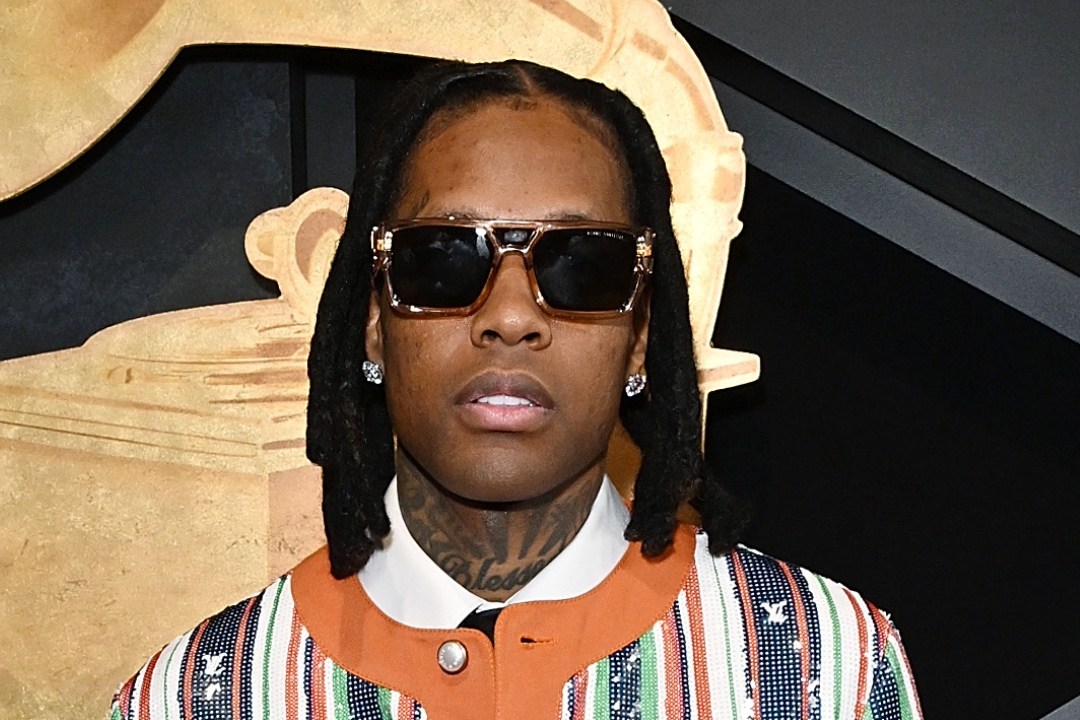
The courtroom's cold, fluorescent glow is something Lil Durk is all too familiar with. The Chicago native, who ascended from the drill music scene to mainstream dominance, finds himself once again set to face a jury in 2027. The stakes were high the first time around, and as the second trial approaches, the pressure intensifies. Both his career and personal freedom hang in the balance.
Lil Durk, alongside three codefendants, is gearing up for another courtroom battle. The judge has set the new trial date for August 30, 2027, a timeline that leaves Durk with plenty of time to prepare, or worry. With a career that's been on a meteoric rise, this legal entanglement is a heavy burden. But for Durk, it's not just his freedom on the line; it's his legacy within hip hop that's at stake.
This isn't just another legal headline. This is a continuation of a pattern that hip hop has seen for far too long. From Tupac and Biggie to Meek Mill and Kodak Black, the legal system has often been a battleground where rappers fight not just for their freedom but for their right to exist in a world that seems stacked against them. Lil Durk's trial isn't just about the charges; it's a reflection of a larger issue within the industry, where young Black men are often caught between their environmental realities and the challenges of newfound success.
The backdrop of this trial is a hip hop industry that's evolved significantly over the past few decades. Rappers are not just artists; they're entrepreneurs, brand ambassadors, and, in many ways, cultural icons. The industry generates billions, yet the same system that profits from Black culture often criminalizes the artists who push it forward. Lil Durk, with his raw narratives and authentic storytelling, embodies this contradiction.
But what does this mean for Lil Durk himself? The man born Durk Derrick Banks has often used his music to paint vivid pictures of life in Chicago. His lyrics are filled with the struggles and triumphs of growing up in Englewood, one of the city's most challenging neighborhoods. This trial is another chapter in his life story, one he's likely to address in his future music, regardless of the outcome.
Durk's legal battles also serve as a stark reminder of the precarious balance many hip hop artists handle. Success and scrutiny go hand in hand, especially in an industry where any misstep can be amplified by both the media and the public. In today's digital age, where every move is documented and dissected, the pressure on artists like Durk is immense.
As the trial date approaches, the hip hop community will undoubtedly rally around Lil Durk. In recent years, we've seen the culture come together to support artists facing legal challenges. From advocating for Meek Mill's release to spotlighting systemic injustices, the community often stands united. This case will likely be no different.
Meanwhile, the trial brings to light the racial and social dynamics at play. Lil Durk's journey from the streets to stardom is a testament to his resilience, but it also highlights the systemic issues that Black artists face. The legal system has historically been unforgiving, especially towards young Black men who defy the odds to achieve success. The industry must reckon with its role in perpetuating these cycles.
The video below captures the intense atmosphere that surrounds such high-profile cases. It's a stark reminder of the media frenzy that often accompanies trials involving celebrities, especially those from marginalized communities.
For the hip hop industry, this trial is a moment to reflect on its future. Artists like Lil Durk are not just products of their environment, they are also voices for change. The industry has the power to uplift these voices, to advocate for justice and reform, and to create spaces where artists can thrive without fear of persecution.
As fans and observers, we should question the narratives being constructed around artists like Lil Durk. Are they being given a fair shot, or are they being judged by a system that doesn't understand them? How much of the coverage surrounding these trials is influenced by bias, and how much is rooted in genuine concern for justice?
The clip below shows just how much attention this trial is garnering, with fans and critics alike weighing in on social media. It's a testament to the power of hip hop as a cultural force, one that continues to shape conversations around race, justice, and artistry.
Looking ahead, the outcome of Lil Durk's trial will likely influence how the industry approaches similar cases in the future. It's an opportunity for hip hop to stand up, to demand justice, and to push for systemic change. The culture doesn't just consume; it creates, it challenges, and it demands better.
For Lil Durk, this trial is another chapter in a career that's been as tumultuous as it is triumphant. The outcome remains uncertain, but one thing is clear: his story is far from over, and the industry, and its audience, will be watching closely.
The post below highlights the community support that Durk continues to receive, a testament to his impact and the loyalty of his fanbase. It's this support that may very well see him through the coming months.
As we close this chapter and look to the future, the culture finds itself at a crossroads. Will we continue to see artists criminalized for their pasts, or will we advocate for a system that recognizes their potential? At a time when hip hop continues to influence global culture, the stakes are higher than ever. It's up to us to ensure that artists like Lil Durk can tell their stories, both on and off the mic, without fear of being silenced by the very systems that should serve to elevate them.