Lil Durk's Trial: What's at Stake for Rap's Future and Community Justice?
By Malik Carter, PowerVault Staff With the lights dimming in the courtroom, the tension was palpable. Lil Durk, a figure synonymous with both hardship and triumph in the rap game, sat quietly as the final arguments ec...
Advertisement

By Malik Carter, PowerVault Staff
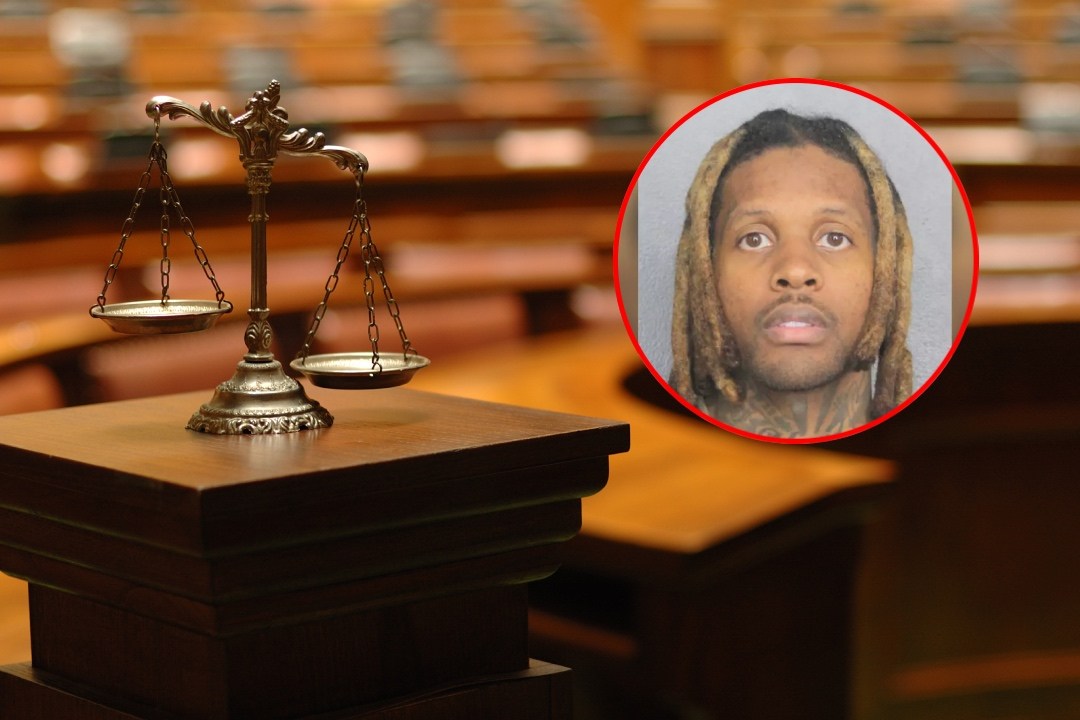
With the lights dimming in the courtroom, the tension was palpable. Lil Durk, a figure synonymous with both hardship and triumph in the rap game, sat quietly as the final arguments echoed around him. This isn’t just another trial , it’s a moment that could reshape narratives in hip hop and challenge the systemic forces that have long kept artists like him under siege. Now, as Durk's fate heads to the jury, the stakes couldn’t be higher for him, his fans, and the culture at large.
In recent weeks, the courtroom has been witness to a drama that rivals any rap beef or industry scandal. Lil Durk, who rose from the streets of Chicago to dominate the charts, finds himself fighting not just for his freedom but for the very narrative of what it means to be a Black artist in America. The charges leveled against him and the surrounding circumstances highlight a darker side of the music industry, one marred by racial tensions and class struggles. This is not just about one man's future; it’s about how society perceives the stories of Black men, particularly those who have turned pain into power through their art.
As the defense and prosecution laid out their cases, the arguments reflected a deeper societal commentary on the way hip hop is treated in the judicial system. The prosecution painted Durk as a product of his environment, blaming his upbringing for alleged actions that, in the eyes of many, stem from a legacy of systemic oppression. Yet, this narrative is too simplistic. It fails to recognize how hip hop’s rise is intertwined with resilience and creativity, often in the face of overwhelming odds.
For hip hop aficionados, Durk’s situation isn’t just about courtroom drama. It’s about the larger implications this trial has on the genre. The history of rap music is rife with instances where artists faced legal challenges that threatened their careers. From Tupac’s infamous legal battles to 21 Savage’s ICE detainment, the genre has long been a target. Artists are not only judged by their art but also by their pasts, which the judicial system often weaponizes against them. Just as the culture has evolved, so too have the challenges confronting its stars.
The outcome of this trial isn’t merely a matter of guilt or innocence. It’s a reflection of how American society treats its Black creatives, often framing them through a lens of criminality while neglecting the systemic issues that contribute to their circumstances. Are we ready to acknowledge that, in many ways, the music industry is complicit in perpetuating cycles of violence and misunderstanding? This is a crucial conversation that hip hop needs to have, especially for those who come from environments where the odds are stacked against them.
As the jury deliberates, fans and culture enthusiasts alike are left wondering what a verdict could mean not just for Durk but for the entire community. A guilty verdict could signal a continuation of a damaging narrative that Black artists are criminals first and creatives second. Conversely, an acquittal might serve as a win for authenticity and a rejection of the systemic injustices that have long plagued the industry. In a culture that often romanticizes the struggles of street life, the reality of those struggles is rarely addressed in a way that fosters understanding and empathy.
One cannot overlook the various dynamics at play here. The racial undertones are hard to ignore. For years, the judicial system has disproportionately impacted Black men, treating them as perpetual suspects rather than individuals with stories worth telling. Lil Durk’s trial is symptomatic of a larger societal issue , the systemic racism that persists not just in the justice system but in the narratives that the media and society feed into. Whether the jury recognizes this is yet to be seen.
The public discourse surrounding Durk’s situation is emblematic of a critical moment in hip hop. Fans are increasingly vocal about the injustices facing artists, calling out narratives that portray them as one-dimensional. The rap community is beginning to shift, embracing discussions that encompass mental health, systemic inequality, and the importance of community support. It’s essential for the culture to stand up and demand justice not just for Durk, but for all artists who have faced similar struggles.
As the rap game continues to grow and evolve, the responsibilities of its artists expand beyond just music. They have become symbols of hope and resilience. Durk’s trial is a reminder that while the beats may thump and the lyrics may resonate, the artists behind them are often navigating treacherous waters. The challenge lies in how the culture supports its own in times of crisis. What will the community do if Durk is convicted? Will he become yet another cautionary tale, or will the industry rally behind him and advocate for systemic change?
As the jury reaches its verdict, it is imperative for fans and stakeholders in the music industry to reflect on the implications of this case. The challenges facing artists like Durk are not just about the music; they echo a call for a more profound understanding of the intersection of race, art, and justice. The culture must demand accountability from the legal system while also celebrating the artistry that emerges from struggle.
Advertisement
Looking ahead, what’s clear is that Lil Durk’s fate could signal a shift in the way hip hop is perceived and treated in the courts. The jury’s decision will resonate far beyond the courtroom. It will either reinforce or challenge the ongoing narratives of Black artists as products of their environment rather than visionary creators. As the dust settles and the verdict is announced, hip hop fans must remain vigilant, ensuring that the voices of their community are heard and respected in all arenas.
The outcome of this trial is a moment of reckoning , not just for Lil Durk, but for all who believe in the transformative power of hip hop. This is a call to action for the culture to unite, advocate, and ensure that artists are not just seen as entertainers but as individuals deserving of justice and dignity. Whatever the jury decides, the fight for fairness in the industry and beyond continues.