Lil Poppa’s Legacy: How His Mother’s Mental Health Foundation Is Shaping the Future
By Tanya Brooks, PowerVault Staff The streets always have a way of telling us what's real, and sometimes that truth hits hard. Lil Poppa, the Jacksonville emcee known for weaving his life's pain into powerful lyrics,...
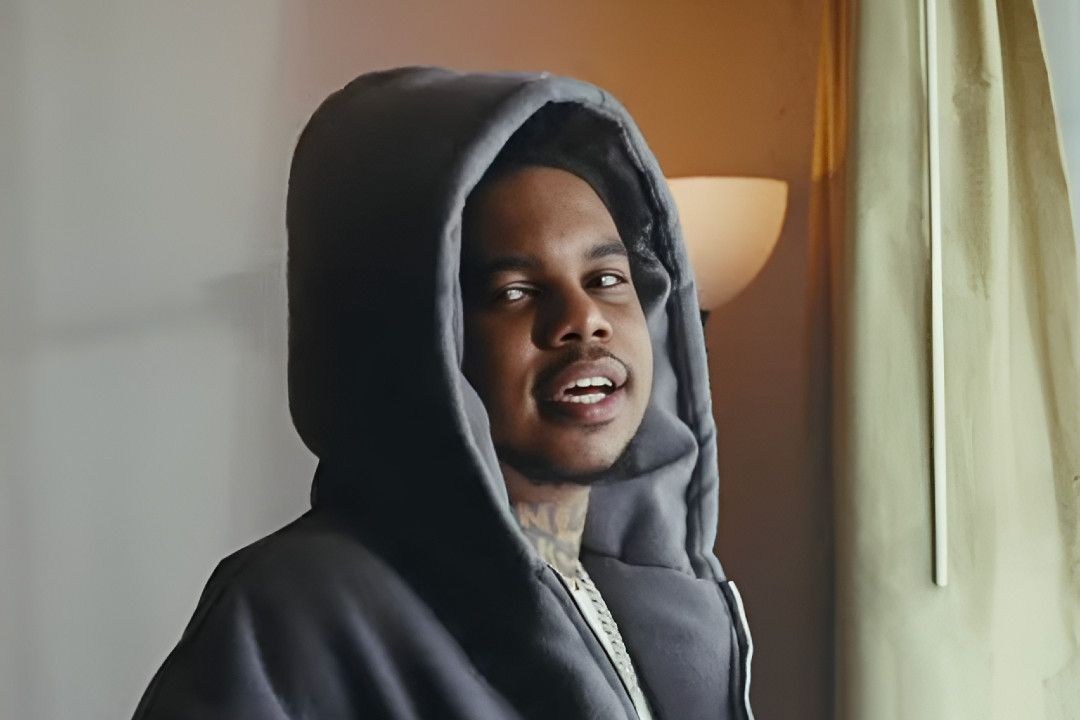
By Tanya Brooks, PowerVault Staff
The streets always have a way of telling us what's real, and sometimes that truth hits hard. Lil Poppa, the Jacksonville emcee known for weaving his life's pain into powerful lyrics, had an idea that transcended the music. It's a narrative that goes beyond beats and bars. It's about a young life cut short but echoing through time with a mission that’s just begun. His vision for a mental health foundation, committed to helping those who, like him, faced demons unseen, is now being brought to life by his mother.
Before we dive into the foundation, let's remember Poppa. Born Janarious Mykel Wheeler, Lil Poppa came up in Duval County, a place where talent competes with adversity daily. He wasn't just another rapper in the endless sea of SoundCloud hopefuls. He was raw and real, addressing mental health struggles with a depth that resonated with fans. Tracks like "No Industry" and "Eternal Living" were more than music; they were confessions and connections to listeners walking the same troubled path.
His mother decided to honor his vision and launched a mental health foundation in his name. This isn't some publicity stunt or a half-hearted attempt to jump on a trending cause. It's a mother's way of keeping her son's light alive in a world that often feels dark. In a society where mental health still carries a stigma, especially in the Black community, this foundation is more than just an organization. It’s a movement.
Poppa's music always tackled the tough questions. Why do we suffer in silence? How do we break the cycle of trauma passed down through generations? The foundation aims to provide answers by offering resources and support for those wrestling with mental health issues, particularly young people from underprivileged backgrounds. The mission is clear: to destigmatize mental health and offer real help where it's needed most.
The choice to focus on this issue is no accident. Mental health in the hip hop community has been a silent epidemic for years. Artists like DMX and Kid Cudi have openly shared their battles, yet the industry often prioritizes productivity over well-being. Lil Poppa’s initiative is calling for a cultural shift. It’s a challenge to the industry to not just consume the pain of Black artists but to invest in their healing.
Shedding light on mental health through a foundation in Lil Poppa’s name is more than a tribute. It’s a necessary step in addressing a crisis that the music world, and society at large, cannot keep ignoring. This foundation is a testament to resilience and community-building. It's a way to ensure that Poppa's voice continues to speak even after his passing.
In the video below, Lil Poppa’s mother announces the launch of the foundation, reflecting the passion and dedication that’s driving this cause.
The larger question here is: What does this mean for hip hop as a whole? The culture has long been a mirror reflecting society's struggles, and now it takes a proactive step in healing those wounds. This foundation is a call to arms to artists and fans alike to support those who need it most, to foster conversations that have been buried under bravado and beats.
The racial undertones of this issue are undeniable. Black communities have historically been underserved and misunderstood when it comes to mental health. There's a deep-seated distrust of a system that often fails them. By launching this foundation, Poppa's mother is not only honoring her son but also challenging the systemic neglect that affects so many young Black men and women.
She addressed the importance of mental health openly, as captured in the heartfelt announcement below.
What makes this foundation particularly important is its potential to inspire other artists to use their platforms for more than just hits. This is a chance for the industry to step up, to support initiatives like this that align with the struggles expressed in the music. It raises the bar for what it means to be part of the hip hop community. It's about responsibility, empathy, and action.
Lil Poppa’s initiative is calling for a cultural shift. It’s a challenge to the industry to not just consume the pain of Black artists but to invest in their healing.
For the fans and the community, Lil Poppa’s legacy through this foundation is a beacon of hope. It’s a reminder that it’s okay to seek help, to speak out, and to support one another. This is a chance for a cultural reset, to prioritize well-being over everything else.
As we reflect on Lil Poppa’s life and his mother’s determination to continue his mission, we must ask ourselves how we can contribute to this change. It’s a call to action for everyone who loves hip hop to push for a future where mental health is as important as the music.
So what happens next? The foundation is just getting started, but it has the potential to spark a much-needed dialogue and inspire real change. We need to watch for more artists supporting this cause, for industry leaders to put their money where their mouth is, and for fans to keep engaging in these conversations.
The message is clear: Lil Poppa's story doesn't end here. It transforms into a force for good, a legacy that challenges us all to do better and to care more deeply about the well-being of those who give their lives to the music.