
Lil Wayne's NFL Rant: What It Means for Hip Hop and Sports Culture
By Simone Walker, PowerVault Staff Under the bright lights of Lambeau Field, the Green Bay Packers faced off against the Dallas Cowboys, a classic NFL matchup that always draws eyes from coast to coast. The stage was...
Advertisement
By Simone Walker, PowerVault Staff
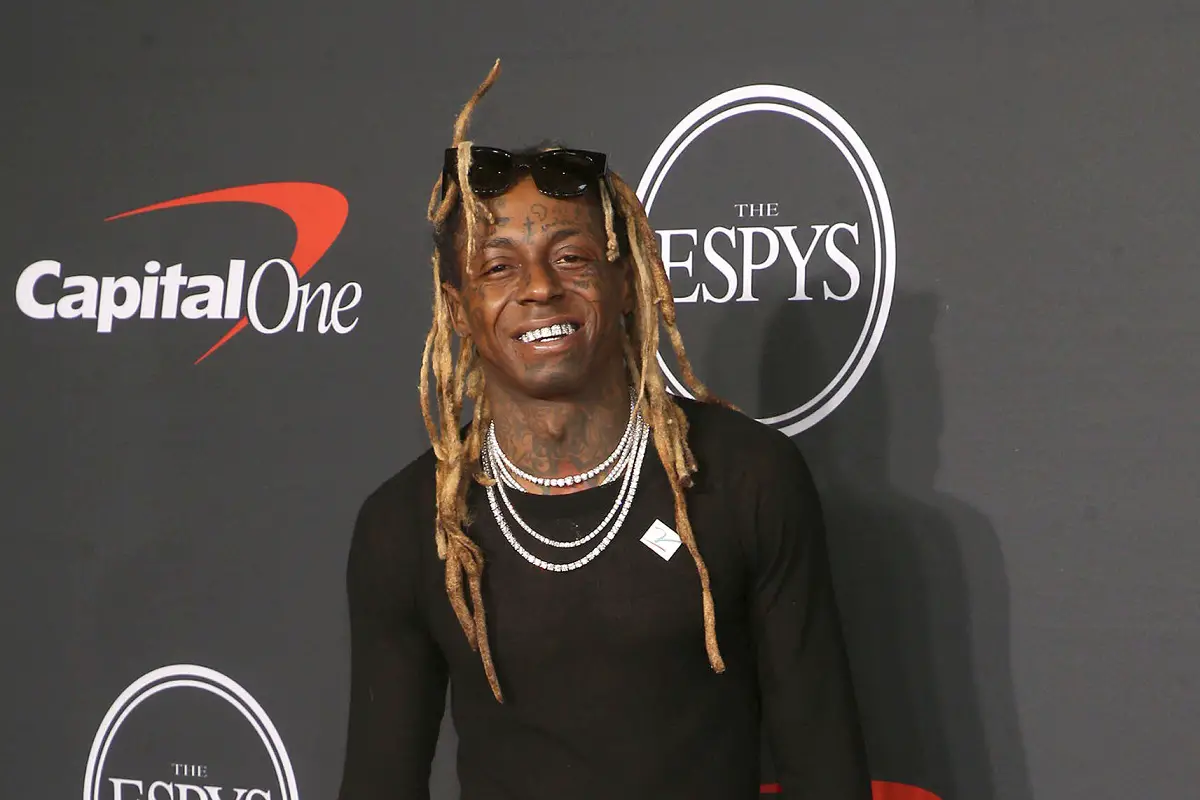
Under the bright lights of Lambeau Field, the Green Bay Packers faced off against the Dallas Cowboys, a classic NFL matchup that always draws eyes from coast to coast. The stage was set for a night of gridiron drama, but this particular Sunday night held more than just football narratives. It was about a voice from the culture making its presence felt in a domain where it usually whispers. Lil Wayne, a die-hard Packers fan, decided to take his frustrations to X, the platform formerly known as Twitter, leaving no room for interpretation. His words were not just a fan's grumble but a cultural statement, showing how deeply the game resonates beyond the field.
As Green Bay secured a 23-13 victory, the celebration was eclipsed by an online outburst from one of Hip Hop's most influential voices. According to AllHipHop, Wayne, known for his unwavering allegiance to the Packers, went off on NFL referees, tweeting “NFL refs ain’t shit.” This wasn't a mere slip of the thumb from the New Orleans legend; it was a calculated move, followed by another similar message and a blunt assertion on the difficulty of watching the game. His words cut through the digital noise, resonating with fans who shared his exasperation. Wayne's tweets weren't just about the calls on the field; they were a reflection of a larger frustration that many fans feel when officiating disrupts the flow of the game.
The game itself was a slog of penalties, with both teams racking up 11 flags each, disrupting the natural flow and rhythm of play. Green Bay was slapped with five personal fouls, including a couple for taunting and three for roughing the passer, each call raising eyebrows and tempers. For Wayne, this wasn’t just a football issue; it was personal. His tweets echoed the frustration of many fans who feel the game is often overshadowed by questionable calls, turning what should be a showcase of athleticism into a parade of yellow flags. The sentiment behind his posts was clear: fans are tired of seeing games decided by referees rather than the players on the field.
Wayne wasn’t just voicing frustration for the sake of it. This is a man whose public identity is intertwined with the Packers, making his comments carry that much more weight. His 2021 track “Green & Yellow” set the tone for his fandom, laying down bars for his team like a battle cry that resonated across the NFL fanbase. His later anthem, “Special Ops,” took shots at the Bears, reinforcing his loyalty and adding lyrical fuel to the football fire. This isn't new territory for Wayne; it's an ongoing dialogue between his music and his team, proof of how deeply intertwined his artistry is with his love for the Packers. His music is as much a part of the game as the plays on the field.
Despite the penalty-laden contest that could have derailed a lesser team, Green Bay emerged victorious, notching their third consecutive win and upping their record to 4-2. The Packers’ dominant first half, spearheaded by Jordan Love's impressive 276 passing yards and a stout defense, put the Cowboys on their heels and showcased the team’s resilience. Dallas struggled to generate offensive rhythm, with quarterback Dak Prescott throwing two costly interceptions that hampered their efforts. But all this was a footnote to Wayne's fiery commentary, captured in the YouTube video below, which highlighted how the game’s narrative was overshadowed by the officiating controversies that left fans, including Wayne, feeling disillusioned.
Wayne’s tirade against the refs points to a broader historical context of artists using their platforms to call out perceived injustices in the sports world. We've seen this before; think back to 2003 when Jay-Z rapped about NBA refereeing controversies that stirred up the league, or Kanye's infamous “George Bush doesn’t care about Black people” moment, which shook the political scene. These are instances where the culture’s stars have transcended their primary domains, entering the fray of sports and politics with the power of their influence. Wayne's words are a continuation of this legacy, showing how artists can wield their voices to challenge institutions and spark necessary conversations about fairness and accountability.
But Wayne's outburst isn't just about a game; it's a reflection of how artists can shape narratives beyond the music charts.
Lil Wayne's outburst isn't just about a game; it's a reflection of how artists can shape narratives beyond the music charts.
From a Hip Hop perspective, Wayne's critique of the NFL's officiating taps into a broader conversation about fairness and accountability, two pillars that the culture holds dear. The culture values authenticity and realness, and when something feels off, there's no shyness about calling it out, even when it involves a major institution like the NFL. Wayne’s words resonate because they mirror the sentiments of countless fans who feel sidelined when the game's officiating steals the spotlight from the athletes. It's about pushing for transparency and change in a space that often seems unmovable, demanding a system where the focus remains on the players and not the zebras with the whistles.
For the sports industry, Wayne’s vocal stand highlights the increasingly blurred lines between music and sports entertainment, a dynamic that has evolved significantly in recent years. Artists like Wayne have massive platforms that can influence public opinion, and when they speak, people listen. This relationship is mutually beneficial; Wayne gets to voice his frustrations on a large scale, offering a raw, unfiltered take that resonates with fans, while the NFL, albeit reluctantly, garners more attention, keeping them in the cultural conversation. You can check out how far his influence reaches in the second YouTube clip below, illustrating the power of celebrity voices in shaping narratives within sports.
The fans, too, hold power in this dynamic, serving as the heartbeat of both music and sports industries. Wayne's tweets are not just a one-off vent; they are part of a collective voice that demands integrity and respect from the institutions we support. It's a reminder that fans, whether in music or sports, are the lifeblood of these industries. Without them, the show doesn't go on, and their call for change cannot be ignored. Wayne, as a fan with influence, shows this reality with every post he makes, highlighting the importance of fan engagement and the need for institutions to listen and adapt to their audiences.
Advertisement
Underneath Wayne’s comments lie deeper social dynamics that warrant examination, revealing the intricate layers of sports as a microcosm of society itself. Sports have long reflected issues of race, class, and power, often serving as a battleground for these complex themes. Wayne's critique of referees may seem like a simple gripe, but it touches on larger themes of authority and control, questioning who gets to make the calls in life and how those calls impact us. This conversation is echoed in both music and sports, highlighting the ongoing struggle to question power structures and advocate for a fairer play. It's a reminder that every call, on the field or in life, carries weight and consequences.
So what comes next? For Wayne, his passion for the Packers remains undiminished, an unwavering support that fans have come to expect both on the field and through his tracks. Wayne will likely continue voicing his opinions, challenging norms and sparking conversations whenever he feels it's necessary. For the NFL, the pressure mounts to address officiating concerns that have long plagued the league, with fans demanding transparency and accountability. As for us, the audience, we are reminded yet again of the power of our voices, whether we speak through tweets, tunes, or cheers. Wayne's Sunday night was a lesson in how a single voice can reverberate across arenas, echoing until there's a response, reminding us of our collective power to influence change.
