Lil Yachty Survives WWE In-Ring Debut — What It Means for Hip Hop and Wrestling Culture
By Renee Fontaine, PowerVault Staff Under the lights of the arena, the crowd roared as Lil Yachty made his electrifying entrance, a moment that felt like a crossover event worthy of a blockbuster. With Quavo standing...
Advertisement
By Renee Fontaine, PowerVault Staff
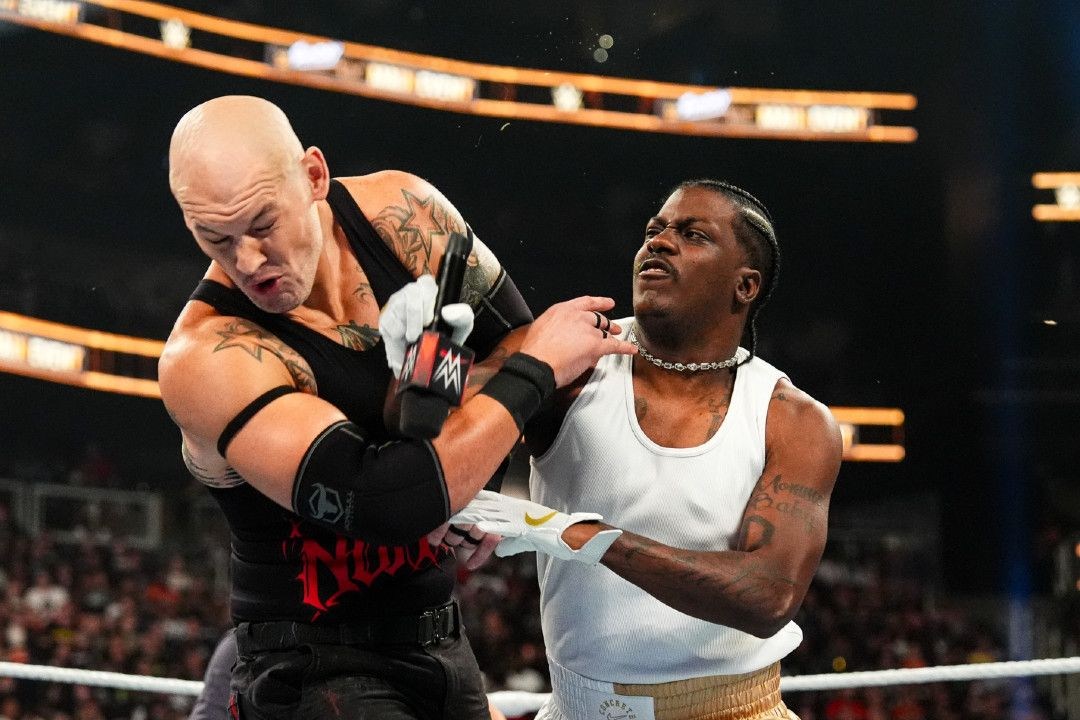
Under the lights of the arena, the crowd roared as Lil Yachty made his electrifying entrance, a moment that felt like a crossover event worthy of a blockbuster. With Quavo standing proudly by his side, Yachty stepped into the squared circle for his WWE in-ring debut against Baron Corbin. This wasn’t just another celebrity cameo; it was a statement. Hip hop and wrestling have long been intertwined, but seeing Yachty in the ring felt like a new chapter. He wasn't just stepping into the ring; he was claiming a space that’s historically felt like home for so many artists.
The moment encapsulated everything we've come to expect from the genre. Yachty brought his colorful, playful energy straight to the WWE stage. The rapper, known for tracks that blend melodic hooks with fun lyrics, represented more than just himself; he was carrying the spirit of many hip hop artists who have ventured into sports entertainment. This wasn't merely a publicity stunt; it was a celebration of culture as Yachty battled it out with a seasoned wrestler, showcasing his bravado outside of music. In the world of rap, where authenticity reigns supreme, stepping into an arena like that is a bold move.
Yachty’s presence in WWE isn't just about the here and now. It channels the essence of crossover appeal that hip hop has been mastering for decades. From Snoop Dogg’s infamous appearances to 50 Cent’s collaborations, the connection between rap and wrestling has always thrived on spectacle and storytelling. Quality lyrics and dramatic matches have more in common than one might think. Both worlds thrive on theatrics, narrative arcs, and larger-than-life characters. With Yachty now taking a literal punch, he’s not just a rapper; he's part of a legacy.
Fans were ecstatic to see Migos’ own Quavo escorting Yachty to the ring, adding another layer of authenticity and camaraderie. The visual of the two hip hop icons walking in stride towards the ring is a powerful reminder of the tight-knit community within the culture. This isn't just a one-off; this is a signal that hip hop artists are making their mark in spaces that used to be dominated by traditional athletes and entertainers. The camaraderie displayed by Quavo emphasizes how unity and support are vital in the hip hop community, a necessary reminder that even the biggest stars need their crew.
The WWE has been known for its ability to attract mainstream celebrities, but the inclusion of an artist like Yachty brings a fresh perspective. It reflects a growing acceptance of hip hop as a powerful cultural force that can cross genres. The question arises: what does this mean for the future of hip hop in mainstream entertainment? Could we see more rappers stepping into rings, arenas, and other forms of entertainment? Yachty’s debut suggests a promising trend where hip hop artists are no longer just relegated to music; they are becoming multifaceted entertainers.
In recent years, there has been a notable shift in how the industry embraces this crossover. The success of artists like Bad Bunny in wrestling has opened doors, proving that fans are eager to see their favorite rappers take on new roles. WWE has seen a surge in interest from younger audiences, who view these celebrities not just as entertainers, but as cultural icons. Yachty’s commitment to his role signifies a potential wave of artists willing to dive into this realm.
However, this moment also requires a critical lens. While hip hop has made strides in breaking into different sectors, it’s crucial to examine the implications of this crossover. Are these spaces genuinely welcoming to hip hop artists, or are they merely utilizing their cultural capital for profit? The dynamic between race and celebrity in entertainment is still a fraught issue. While rappers like Yachty bring visibility and excitement, the question remains: are they being given the same respect and opportunity as their non-Black counterparts? The industry often profits from Black culture while failing to acknowledge the systemic inequities that persist. Hip hop needs to remain vigilant about how its stars are treated in these spaces.
The mixed reception of Yachty's performance provides another layer to analyze. While fans celebrated the crossover, some wrestling purists criticized the presence of a rapper in their ring. This divide highlights the tension between traditional fans who value athleticism and newcomers drawn in by the spectacle of celebrity appearances. Yachty’s survival of the match is symbolic; it represents resilience in an industry where authenticity can often be questioned. He wasn’t simply there to play; he showed he could take the heat and deliver.
Advertisement
As Yachty celebrates this milestone, it's essential to consider what lies ahead. Is this just the beginning of a new wave of hip hop in wrestling, or can we expect to see deeper collaborations between the two cultures? The potential for more artists to engage with wrestling opens up exciting pathways for narrative storytelling that could enrich both industries. Artists can infuse their unique perspectives into the wrestling world, creating narratives that resonate with fans. Just imagine an album release paired with a wrestling storyline that reflects the themes of the music; the possibilities are endless.
As fans look forward to what comes next, it becomes clear that hip hop’s influence is only growing. The stage is set for rappers to continue carving out space within other realms of entertainment. Lil Yachty may just be the beginning, but he’s already proving a point: hip hop is here to stay, and it’s ready to step into the spotlight, whether that’s on stage or in a ring. Looking ahead, fans should keep their eyes peeled for more artists who dare to cross these boundaries, ready to shake things up and challenge the status quo.