LL Cool J Takes On Ageism in Hip Hop: Why Age Shouldn't Matter
By Marcus Ellison, PowerVault Staff A dimly lit studio, its walls steeped in the rich history of hip hop, the air vibrating with echoes of beats that have defined generations. Here, LL Cool J, a true titan in the game...
By Marcus Ellison, PowerVault Staff
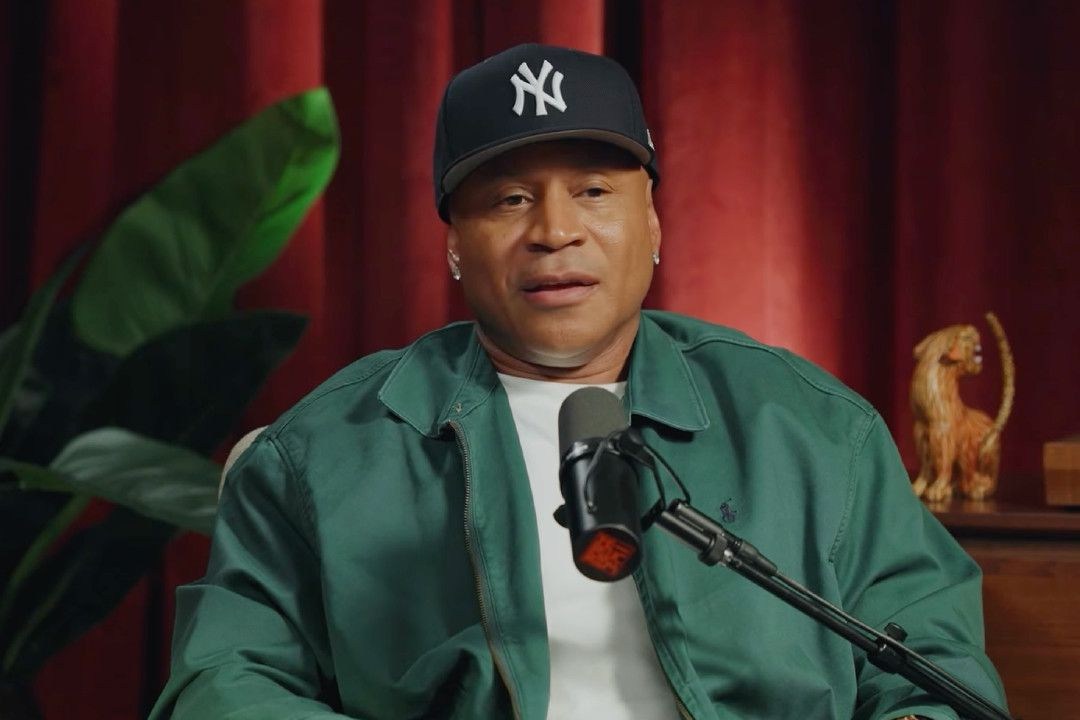
A dimly lit studio, its walls steeped in the rich history of hip hop, the air vibrating with echoes of beats that have defined generations. Here, LL Cool J, a true titan in the game, sits across from Trevor Noah, poised to drop some much-needed wisdom on one of the culture's most enduring issues, ageism. It's a humid night in October, the kind that wraps around you like a heavy cloak. But the real heat isn't from the weather; it's emanating from LL himself, whose timeless energy and relentless spirit have kept him at the forefront of hip hop for decades. His presence is electric, proof of his impact on the genre that continues to reverberate through the culture.
On a new episode of 'What Now? With Trevor Noah,' LL Cool J took the mic to tackle an issue that's been lurking in the shadows of hip hop for too long. The rap legend, boasting over 40 years of experience, addressed the notion of an 'appropriate age' in the genre, calling it straight-up nonsense. The episode dropped on October 5th, serving as a wake-up call for artists letting fear dictate their moves. LL believes that ageism in hip hop feels so intense because the genre is still in its infancy compared to rock, where artists are celebrated well into their golden years. His words are a rallying cry for those who feel sidelined by the industry's obsession with youth.
LL laid it out plainly: hip hop, as a genre, is just over 50 years old, still in its formative years compared to the likes of rock and jazz. It's witnessing its founding generations age in real-time, which is a beautiful and unprecedented phenomenon. Many of hip hop's pioneers are still active, dropping bars and selling out venues worldwide. Yet, LL sees the obsession with age as rooted in fear, fear of losing relevance, fear of being perceived as out of touch. This fear is misplaced; it's not about the audience turning away but about artists doubting their own ability to stay in the game. LL's words echo through the culture, challenging these notions head-on.
In the clip, LL challenges younger artists to recognize that longevity in hip hop should be seen as a badge of honor, not a liability. He argues that ageism in the genre is more a reflection of insecurity than reality. 'Don't be afraid,' he urges, 'embrace the challenge of staying hot at any age.' For him, the real issue isn't about fans leaving; it's about artists questioning their own relevance. LL's message is clear: confidence and skill don't diminish with age, they evolve. He calls on artists to push through the doubt and fear, to keep creating and innovating, proving that the fire in their music doesn't have an expiration date.
This isn't the first time LL Cool J has spoken out against the industry's fixation with youth. Back in the early 2000s, he was already breaking barriers, proving that one can remain at the top of their game well into their 40s. His album 'G.O.A.T.', released in 2000, was more than just music; it was a bold statement that microphones don't come with age restrictions. LL is a living testament to the idea that maturity in hip hop is not a hindrance but something to strive for. His career has been a continuous evolution, showing that age brings depth, wisdom, and a unique perspective that younger artists should aspire to reach.
This narrative of age in music isn't unique to hip hop, but it hits differently. Take Mick Jagger, still commanding stages with the Rolling Stones, or Paul McCartney, who fills arenas without breaking a sweat. Rock legends are celebrated in their later years, while hip hop veterans often face pressure to retire. This disparity is rooted in mainstream music history, where older artists, typically men, are hailed as legends rather than told to hang it up. LL's push to change this perception isn't just about individuals; it's part of a broader movement to recognize and celebrate hip hop's pioneers. His challenge is to shift the culture's focus from age to artistic legacy and innovation.
Let's be real for a second.
Hip hop needs to respect its OGs the way rock respects legends.
Hip hop needs to honor its OGs with the same reverence that rock bestows upon its legends. LL's challenge to the industry goes beyond age, it's a call for authenticity and respect for the craft. If an artist genuinely loves what they do, age is irrelevant. Hip hop is built on storytelling, and who better to weave those tales than those who've lived through the culture's pivotal moments? LL isn't just calling out ageism; he's advocating for a revolution of respect. Hip hop thrives on innovation, so why stifle it with outdated notions of relevance? The genre should embrace its history and the artists who continue to shape it.
For the industry, this moment is pivotal. LL’s statements should be a catalyst for labels to reevaluate how they market older artists. Instead of letting veterans fade into the background, they should be celebrated as the treasure troves of stories and experiences that they are. The music business stands to learn a lot from LL's perspective: longevity is not just marketable, it's proof of an artist's enduring influence. Legends in hip hop don't fade away; they adapt and evolve, bringing new dimensions to the genre. It's time for the industry to capitalize on this, shining a light on the rich mix of experiences that seasoned artists bring to the table.
From the audience’s perspective, overlooking older artists means missing out on a wealth of rich narratives and experiences. As fans grow up, their music tastes evolve just like the artists they admire. LL's reminder that fans stick around is crucial in a genre that's always been about connection and community. Hip hop lovers need to demand variety and depth from their artists as they age, just like in any other genre. It's time to flip the script from 'too old for hip hop' to 'still writing history.' The stories of seasoned artists add layers to the culture, providing a fuller understanding of its evolution and impact.
The underlying dynamics in hip hop's ageism discussion are deeply intertwined with issues of race and class. The genre's youth-centric focus often sidelines Black and brown voices as they mature, reinforcing a cycle that equates relevance with youth. In hip hop, a genre born from the struggles and triumphs of marginalized communities, age should be seen as an asset, enriching the music with wisdom and experience. LL's words challenge this narrative, advocating for a more inclusive hip hop world that values every voice, whether young or seasoned. His call is for the culture to recognize the depth and richness that comes with age, embracing it as a source of strength rather than a limitation.
So what’s next? LL’s challenge is a call to arms for both the industry and the artists. It's an invitation for younger voices to rise up and pay homage to the path paved by those before them. As hip hop matures, it must learn from its past and hold onto its legends. The future is wide open, and it's time to embrace every artist willing to contribute to hip hop's mix of stories. LL’s message isn't just about age; it's about the courage to defy the industry's expectations and keep spitting truth. The culture is listening, and the stage is set for a new chapter in hip hop's evolution.



