Lucki's $5.9 Million Lawsuit: What Happened and What's Next
By Andre Coleman, PowerVault Staff Imagine the sound of Chicago's bustling streets, the city's breath clouding the cold night air as tension hums just beneath the surface. The rap scene here is almost a living entity,...
By Andre Coleman, PowerVault Staff
Imagine the sound of Chicago's bustling streets, the city's breath clouding the cold night air as tension hums just beneath the surface. The rap scene here is almost a living entity, always vibrant, always risking it all. It's in these streets that Lucki carved out his niche. But now, it's not just music that's heating things up. The rapper finds himself in a different kind of spotlight, facing a hefty $5.9 million lawsuit from his former manager, Mark Buol.
The lawsuit, filed in New York, accuses Lucki of breaching their management agreement. Buol claims that Lucki skipped out on numerous contractual obligations, leaving him in the lurch financially after reportedly investing significant time and resources into the rapper's career. For fans buzzing about the lawsuit's magnitude, it's more than just numbers, it's about loyalty, trust, and the cutthroat reality of hip-hop's business side.
Lucki, born Lucki Camel Jr., emerged from Chicago's underground scene as a unique voice. Known for his introspective lyrics and melancholic beats, he first grabbed attention with his 2013 debut project, 'Alternative Trap.' His sound was refreshing, a stark contrast to the city's drill-heavy narrative led by artists like Chief Keef. But as his music matured, so did the stakes of his career.
Buol's lawsuit alleges that Lucki's non-compliance with their agreement constitutes a significant breach. These are serious allegations that could lead to substantial financial impact, beyond just the $5.9 million. For Lucki, this is not just a legal fight, it's a potential career-defining moment. Hip-hop's history is littered with tales of artists and managers falling out over breached agreements, from Kanye West to Lil Wayne. Contractual disputes can tarnish reputations and stall momentum in an industry that's all about staying relevant.
But let's dig deeper. The dynamics of artist-manager relationships in hip-hop have always been fraught with tension. Managers play integral roles, often acting as the unsung architects behind an artist's success. The trust between artist and manager is crucial, and once broken, it can lead to messy public disputes like we're seeing with Lucki and Buol.
It's worth considering whether this situation points to larger systemic issues within the music industry. The game has changed with the rise of digital platforms and independent releases. Artists no longer need traditional gatekeepers to reach audiences, and that can create friction in traditional management dynamics. Perhaps Lucki's situation exemplifies this change: artists wanting more control over their careers, sometimes at the expense of traditional relationships.
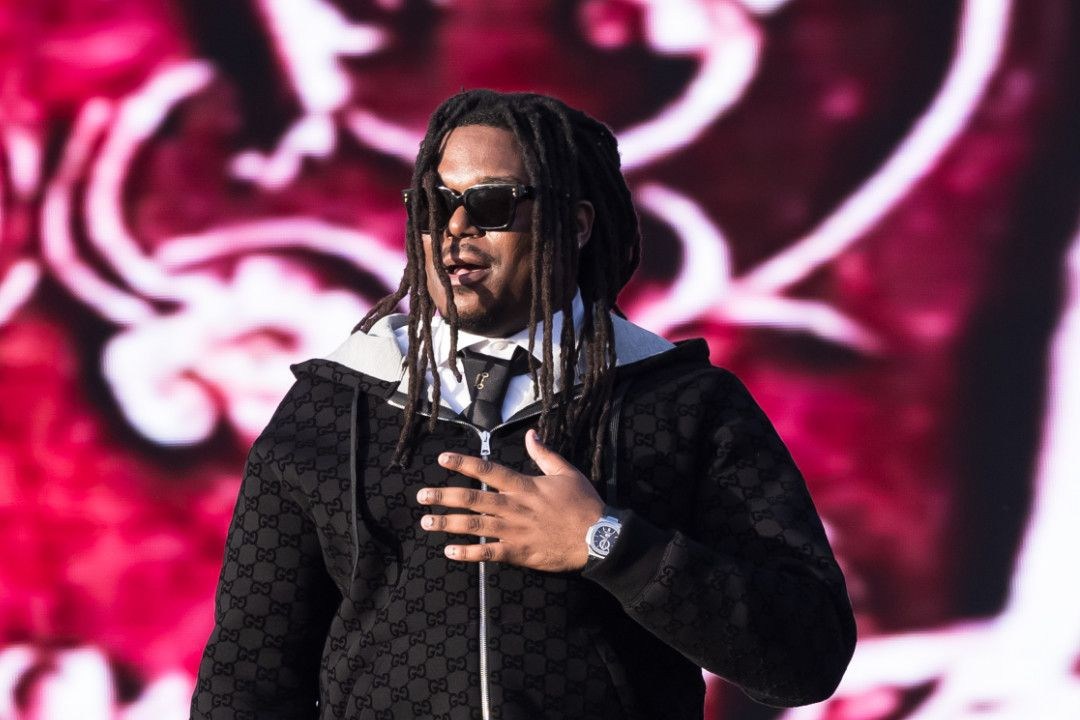
In a recent Instagram post, Lucki seems unbothered by the lawsuit's noise. The rapper, sporting his trademark nonchalance, looks directly at the camera, possibly signaling that he's ready to weather this storm. Whether this is a show of bravado or genuine confidence, nobody knows yet.
One can't ignore the racial undertones at play either. Historically, Black artists have faced exploitation in the music industry. Though Buol's lawsuit is a standard contractual dispute, it puts a spotlight on power dynamics and representation. Are the terms of these contracts genuinely fair, or do they continue to favor certain parties over others? Lucki's case may not answer all these questions, but it certainly puts them under the microscope again.
In the YouTube video below, Lucki's laid-back demeanor during an interview shines through. He speaks about his artistry and his journey, a reminder of why fans gravitate towards him in the first place.
This isn't just about Lucki and Buol, it reflects on the larger hip-hop community. Fans are watching closely, and their reactions could define how this narrative unfolds. Does the community rally around Lucki, seeing this as another instance of an artist fighting against outdated industry norms? Or does this story serve as a cautionary tale about the importance of crossing your t's and dotting your i's?
For Lucki, this is not just a legal fight, it's a potential career-defining moment.
Lucki's music often gets into themes of struggle and resilience, a reflection of his own life experiences. As he faces this legal battle, the metaphor feels even more poignant. Will this lawsuit mark a turning point in his career trajectory, or will it be just another obstacle that he overcomes?
Watch the clip below where Lucki talks more about his music and personal battles. It adds depth to the man behind the headlines.
Ultimately, this legal dispute serves as a critical reminder of the business complexities intertwined with artistic endeavors. Artists entering the industry must handle this scene carefully, ensuring they align themselves with partners who have their best interests at heart. Lucki's story is a reflection of both personal and professional growth, with each decision leaving a lasting imprint on his career.
The hip-hop community should watch closely as this lawsuit unfolds. It's an opportunity not just to support one of their own, but also to demand greater transparency and fairness within the music industry. As the courtroom drama plays out, it's a chance to reflect on how far the community has come and where it still needs to go.
What happens next for Lucki? That's the million-dollar question, literally. His response to this lawsuit will not only influence his career but could also set a precedent for other artists handling similar waters. As fans and industry insiders alike hold their breath, Lucki stands at a crossroad, with the potential to redefine his narrative on his own terms.