
Macklemore's Free Palestine Tour: What It Means for Hip Hop and Activism
By Simone Walker, PowerVault Staff Macklemore is making waves by taking a stand that many in the music industry tend to avoid. The Seattle native launched his Free Palestine Tour on October 26 in Dublin, Ireland, pack...
Advertisement

By Simone Walker, PowerVault Staff
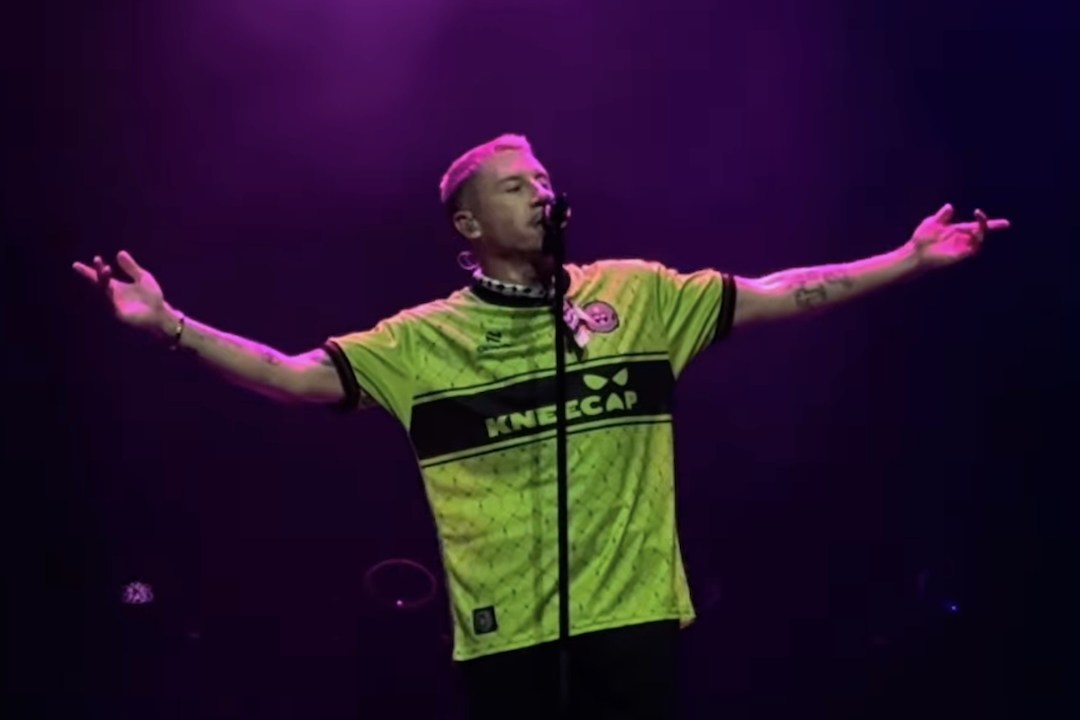
Macklemore is making waves by taking a stand that many in the music industry tend to avoid. The Seattle native launched his Free Palestine Tour on October 26 in Dublin, Ireland, packing out the 3Arena with passionate fans. This is more than about music; it's a direct response to the fallout he faced after being removed from Ed Sheeran's Loop Tour in September. His removal wasn't just any industry hiccup, it was a bold statement against the norms that often govern artists' voices. Macklemore's vocal support for Palestinian rights, a topic many steer clear of due to its polarizing nature, is at the heart of this tour. Through this series of concerts, he's challenging the status quo, standing firm in his beliefs, and refusing to back down, even when it costs him major gigs.
According to The Guardian, Macklemore's performance in Dublin was more than just a concert, it was an act of advocacy. With a setlist that included his well-known tracks like 'Same Love' and 'Thrift Shop,' he used the platform to introduce 'Where Is Our Love,' a new protest anthem that dives deep into his controversial views on the Palestine-Israel conflict. This track isn't just a song; it's a bold statement that echoes his unwavering support for a people often caught in the crossfire of geopolitics. By weaving political activism into his music, Macklemore's set challenged the audience to confront uncomfortable truths, knowing full well that such positions can disrupt his career. Yet, he's willing to embrace this disruption, using his influence to explain issues often buried under industry pressures.
Macklemore didn’t hold back when it came to expressing the tour’s deeper message. During a turning point in his performance, he paused to articulate the core ideals of unity and freedom that fuel his journey. He emphasized how the phrase 'Free Palestine' is often seen as a threat to some, highlighting the resistance he faces for speaking out. His refusal to be silenced, despite the backlash, shows his commitment to these ideals. This candid moment resonated with the audience, capturing the essence of his mission and spreading rapidly online. Macklemore's words serve as a reminder that freedom is not genuine if it comes at the cost of another's oppression. His defiance in the face of adversity is proof of his dedication to advocating for those whose voices are often drowned out.
Getting dropped from Ed Sheeran’s tour was a complex situation, intricately tied to more than just Macklemore's pro-Palestinian views. Robert Kraft, the influential owner of the New England Patriots, reportedly had a significant hand in shaping the narrative. His influence allegedly extended to other stadium owners, discouraging them from booking Macklemore. Kraft's reasoning pointed to past accusations of antisemitic imagery in Macklemore's work, but the move seemed to be driven more by Macklemore's outspoken support for Palestinian people. It's a prime example of how powerful figures can sway industry decisions, using their clout to maintain the status quo and silence voices that challenge conventional narratives. In Macklemore's case, it explains the lengths some will go to suppress dissenting opinions within the entertainment industry.
Despite the controversy, Robert Kraft's decision to match Macklemore’s $1 million donation challenge for Palestinian aid adds a layer of complexity to the situation. This unexpected move highlights the layered nature of power dynamics within the industry. On one hand, Kraft's actions to bar Macklemore reflect the immense influence he wields, yet his financial commitment to the cause suggests a complicated stance. Meanwhile, Ed Sheeran distanced himself from the decision, clarifying that it was his promoter, not him, who decided to drop Macklemore. This separation showcases the tangled web of industry politics, where public figures must handle carefully between personal beliefs and professional associations. The entire ordeal shows the tension between individual expression and institutional control, revealing the intricate dance artists must perform to maintain their platform while advocating for causes they believe in.
This isn’t the first time Macklemore has found himself at the center of controversy. Back in 2014, his album 'The Heist' won the Grammy over Kendrick Lamar’s critically acclaimed 'good kid, m.A.A.d city,' sparking a heated debate about white privilege within the Hip Hop community. That moment was a cultural flashpoint, putting Macklemore in the crosshairs of discussions about race, recognition, and representation in music. Fast forward to today, and his advocacy for Palestinian rights is another chapter in his ongoing journey of using his platform for social commentary. His career has been characterized by a willingness to engage with difficult conversations, even when it risks alienating fans or industry allies. Macklemore's pattern of prioritizing message over mainstream acceptance reveals a deep-seated commitment to addressing systemic issues, regardless of the personal and professional costs.
Macklemore’s move is a turning point. His actions challenge the music industry's comfort with neutrality, pushing for a real confrontation of oppressive systems. It's a powerful statement at a time when artists often avoid political controversy to protect their careers.
Macklemore's move challenges the music industry's comfort with neutrality, pushing for a real confrontation of oppressive systems.
For Macklemore, this tour isn't just a series of music events, it's a profound declaration of solidarity and a significant business risk. By aligning himself with the Palestinian cause, he's choosing a path not often traveled by artists with mainstream success. This decision sets a new standard for what it means to be an artist in today's politically charged climate. It's a bold move that says a lot about his character and the type of legacy he aims to build. In a scene where many artists choose silence to safeguard their careers, Macklemore stands out by risking isolation to amplify a cause he believes in. His actions challenge other artists to consider the impact of their silence and encourage them to weigh the potential of their influence against the fear of backlash.
The music industry should sit up and take notice of what's unfolding with Macklemore's Free Palestine Tour. This is more than about concerts; it's a critical commentary on the power dynamics that govern relationships between artists and promoters. By stepping into such a contentious arena, Macklemore is forcing a conversation about what artistic freedom truly means. The reactions have been polarized, with some praising his courage and others condemning his stance. Social media is alive with debates, showing the tour's impact beyond just ticket sales. It challenges industry norms, where artists often feel pressured to toe the line for fear of losing support. Macklemore's defiance of these unwritten rules shines a light on the need for a reevaluation of the balance between creativity, commerce, and conscience in the music world.
Today's Hip Hop audience, especially the younger generation, is tuned in to see how Macklemore's stand plays out. His bold move reflects a broader shift in the cultural scene, where fans are increasingly demanding authenticity from their favorite artists. This mirrors movements like Steph Curry’s advocacy for Black athletes, highlighting a universal call for genuine representation and accountability. Young fans are looking for more than just entertainment; they crave artists who use their platforms to make meaningful statements. Macklemore’s stance on Palestine resonates with this desire for substance over superficiality. It shows a growing expectation for artists to engage with the world around them and speak up on issues that matter, making it clear that the era of passive celebrity is giving way to one of active participation.
Advertisement
Beneath Macklemore's tour and its surrounding controversy lies a deeper narrative about power, privilege, and the boundaries of free speech within the entertainment industry. It's a stark reminder that even in spaces perceived as progressive, certain lines remain uncrossed by many. However, Macklemore has chosen to leap over these lines, setting an example for others in the industry. His actions challenge the status quo and invite a reevaluation of what it means to have a voice in today’s world. By daring to speak out, he exposes the often-unspoken pressures that keep many artists in check, illuminating the delicate balance between personal convictions and public acceptance. Macklemore’s journey serves as a blueprint for those willing to prioritize truth over comfort, encouraging others to reconsider how they handle their own platforms.
As Macklemore's Free Palestine Tour moves on to Paris and London, the ripples of his actions are expected to grow wider. This tour isn't just a series of performances; it's a catalyst for ongoing discussions about what truly defines artistic freedom. Macklemore's bold stance challenges us to support voices that dare to speak truth to power, even when it's uncomfortable. In doing so, he calls upon the community to reassess its values and consider the kind of legacy it wishes to uphold. This moment transcends music, urging us to reflect on our collective responsibility to lift up those who choose to use their influence for genuine change. Macklemore’s journey is a powerful reminder of the impact one voice can have in challenging oppression and championing justice.
