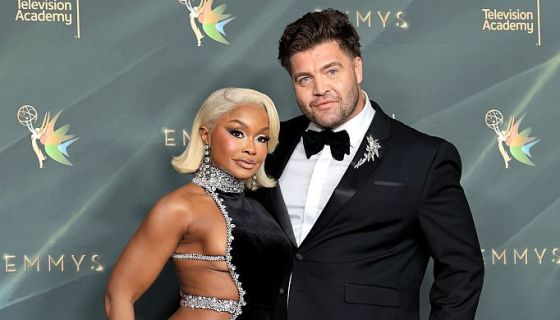
Malcolm-Jamal Warner Estate Battle: What’s Really Going Down Over His $4 Million Settlement?
By Andre Coleman, PowerVault Staff The news is buzzing, and it’s not going away anytime soon. Malcolm-Jamal Warner, best known for his role in the iconic 'The Cosby Show,' has found himself embroiled in a legal battle...
Advertisement

By Andre Coleman, PowerVault Staff
The news is buzzing, and it’s not going away anytime soon. Malcolm-Jamal Warner, best known for his role in the iconic 'The Cosby Show,' has found himself embroiled in a legal battle that’s turning heads and raising eyebrows. The center of this storm? His estate, specifically the family home intended for his widow and daughter. The stakes are high, and with talks of a $4 million settlement now off the table, the situation is heating up.
Families fighting over estates isn’t new, but this case has a particularly poignant backdrop. Malcolm-Jamal Warner passed away, leaving behind loved ones who should be grieving, not duking it out in court. Reports have surfaced that his widow turned down a $4 million settlement, which raises the question: what is it she truly wants? Or perhaps more pressingly, what does this say about her relationship with Malcolm’s family and his legacy?
The legal wrangling has revealed deeper fissures within the family dynamic. Malcolm's widow is not just fighting for financial security; she is also wrestling with the very essence of his legacy. When a public figure like Warner passes, the spotlight doesn’t dim on their family; it often intensifies. The complexities of this situation speak volumes about familial loyalty, the fragility of relationships, and the weight of public perception.
In many ways, this battle mirrors a larger cultural narrative. The fight over estates isn’t simply about property; it’s about the legacy that stretches far beyond physical possessions. It’s about who gets to define the narrative of the deceased. On the one hand, you have the widow, a woman who likely stood beside Malcolm during pivotal moments in both their lives. On the other, you have a family that might feel a sense of ownership over his legacy, especially given the years he spent under the public eye. This is about more than dollars and cents; it’s about emotional claims and the stories we tell about our loved ones.
As conversations swirl around the estate, fans and followers are left to wonder what Malcolm would have wanted. The nuances of his relationships , with family, friends, and even fans , are being dissected by those outside the situation. This dynamic only brings to the forefront an uncomfortable truth: how do we navigate legacy in a world that often prioritizes material wealth over emotional connection?
The ongoing dispute also raises questions about the broader cultural implications. In Black culture, legacy is often intertwined with family, tradition, and community. When an estate battle erupts, it can fracture not only the family at hand but also the perception of that legacy within the community. The stakes aren’t just financial; they involve the very fabric of who we are as a culture. This isn’t just a family squabble; this is about how we remember Malcolm-Jamal Warner and what he stood for.
Adding layers of complexity is the fact that the narrative around Black celebrities often follows predictable patterns. Too often, public figures are stripped of their humanity at the moment they pass, with their deaths reduced to headlines and hashtags. The struggle for an estate can amplify this sensation, turning family members into antagonists in a story that should be centered around love and remembrance.
Malcolm’s widow, navigating through this minefield, must contend with not only the loss of her partner but also the pressures that come with public scrutiny. Her choice to reject a settlement speaks volumes about her intentions,she may be fighting for more than just a financial payout; she’s likely vying for her place in the narrative. This decision could reflect her desire to reclaim her husband’s story, ensuring that he is remembered not just as a man of wealth but as a person who valued those closest to him.
As the legal battle continues, many are left grappling with discomforting questions related to wealth, legacy, and the often-complicated relationships that exist within families. There’s a pressing need to reflect on how we discuss these matters in the public sphere. Are we reinforcing harmful stereotypes about Black families being divided over money? Or are we capable of viewing this situation through a more empathetic lens that acknowledges the complexities of grief, love, and loyalty?
Moving forward, it will be crucial to watch how this story unfolds. The public eye remains trained on Warner’s family, and every development will likely be treated as juicy gossip fodder. However, for those truly invested in Malcolm’s legacy, the focus should be on understanding the human elements at play here. The challenge lies in shifting the narrative from one of sensationalism to one that honors the emotional realities of loss.
Advertisement
In a culture that often prioritizes conflict over connection, this situation serves as a reminder of the intricacies involved in family dynamics, especially in the shadow of fame. As fans, we should consider what it means to support loved ones during their most vulnerable moments. The ongoing saga of Malcolm-Jamal Warner's estate is a call to examine how we engage with the lives of the beloved public figures we admire, and ultimately, how we can do better by their families.
In summation, while the court documents unfold and the media continues to report, what is needed is a shift in perspective. Let's not reduce this moment to mere gossip; it deserves a more profound reflection on legacy, love, and the complicated ties that bind us. As this story develops, may we find moments to celebrate not just the man, but the relationships that defined him for those who knew and loved him best.