
Mary J. Blige Produces 'Good People': What This Means for TV and the Culture
By Jasmine Reed, PowerVault Staff Mary J. Blige is stepping into a new role, and it’s not behind the mic. The Queen of Hip Hop Soul is producing a drama series titled “Good People” for Universal Television. Drawing fr...
Advertisement

By Jasmine Reed, PowerVault Staff
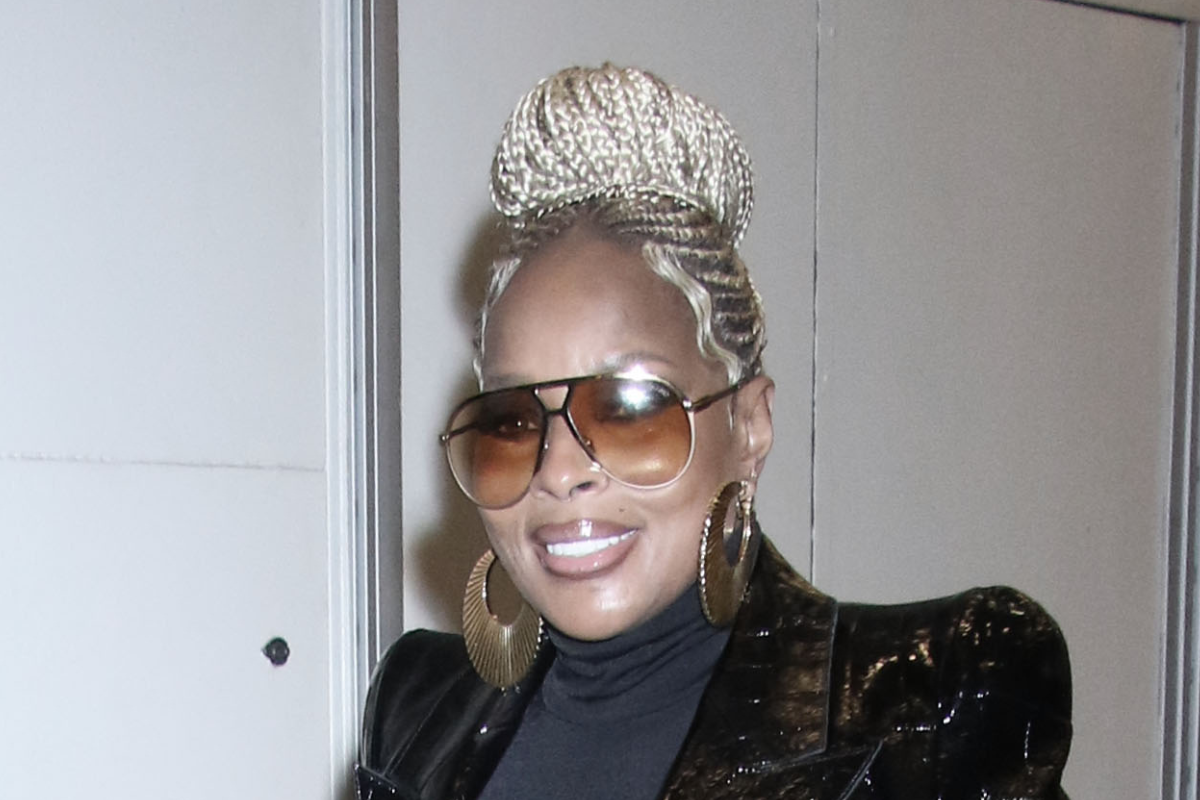
Mary J. Blige is stepping into a new role, and it’s not behind the mic. The Queen of Hip Hop Soul is producing a drama series titled “Good People” for Universal Television. Drawing from Natalie Baszile’s novel “Friends and Family,” this project stands out in the crowded TV scene. It's more than just a drama; it's a powerful exploration that gets into the intricacies of racial and social dynamics. By weaving together personal relationships with broader societal issues, this narrative echoes themes that Blige has been deeply familiar with throughout her career. Her involvement ensures that the series won't just entertain but also provoke important conversations, reflecting Blige's ongoing commitment to storytelling that resonates with real-life complexities.
The series, adapted from Baszile’s latest work, is already making waves among TV insiders, as Deadline reports. Blige will take on the role of executive producer through her Blue Butterfly Productions, aligning with a team of heavyweight talents. Marissa Jo Cerar, known for her compelling writing, joins as the writer, while Gina Prince-Bythewood, acclaimed for her complicated storytelling, is slated to direct the potential pilot. Baszile herself, alongside industry veterans like Debra Martin Chase and Reggie Rock Bythewood, will also serve as executive producers. This all-star lineup is poised to bring this compelling and layered story to life on screen. With such a powerhouse team behind it, “Good People” is set to become a must-watch series that pushes boundaries.
“Good People” is set to explore the complex lives of Babs, an interior designer, and Nora, a wealthy friend. Their relationship faces a critical test due to an affair and a racially charged incident involving Nora’s Black adopted son, Nathan. The book's rich themes of race, identity, and evolving friendship are tailor-made for a television adaptation that seeks to spark discussion. This is more than another drama series; it's a mirror reflecting the nuances of contemporary social issues. As the show gets into these intricate dynamics, viewers can expect a narrative that challenges perceptions and invites introspection, much like the best of what TV can offer. The video below provides a glimpse into the potential direction of this project, offering a taste of what's to come.
The story of Babs and Nora, as laid out in Baszile’s novel, transcends domestic drama to offer a reflection of real-world tensions. It's a narrative that taps into the exhaustion many feel with surface-level storytelling, aiming instead to resonate on a deeper level. Universal's decision to secure the rights before the book even hit shelves shows their confidence in the story's potential impact. Blige, who has long been drawn to narratives of struggle and resilience, views this as a chance to expand her storytelling arsenal further. Her involvement promises to bring depth and authenticity to the series, ensuring that it not only entertains but also speaks to the heart of societal issues that demand our attention.
Mary J. Blige’s transition into television and film production is not just a natural progression but a deliberate move. Her previous work with Lifetime, including “Real Love” and “Strength of a Woman,” showcased her ability to translate complex emotional landscapes into compelling screen narratives. These projects demonstrated her knack for balancing entertainment with enlightenment, a duality that allows her to steer the conversation in media spaces traditionally dominated by others. By stepping into this role, Blige is asserting her presence and influence in an industry that often sidelines voices like hers. Her production choices reflect a commitment to narratives that challenge norms and offer fresh perspectives, ensuring that stories of depth and significance reach the audiences that need them most.
This isn't Blige's first rodeo with powerful projects. Her involvement with “Queen Sugar,” produced by industry titans Ava DuVernay and Oprah Winfrey, laid a solid foundation for narratives handled with care and authenticity. Baszile’s debut novel, which inspired “Queen Sugar,” set a high bar for adapting stories that resonate with contemporary issues while remaining deeply personal. This precedent shows the importance of translating such narratives to the screen with integrity and depth. Blige's continued work in this arena highlights her dedication to uplifting stories that matter, providing a platform for voices that often go unheard. Her track record in bringing such stories to life says a lot about her vision and commitment to impactful storytelling.
Blige's move into production isn't just a power play; it's a statement about the narratives we choose to uplift.
Blige's move into production isn't just a power play; it's a statement about the narratives we choose to uplift.
Mary’s pivot to a producer role says a lot in an industry where ownership often eludes Black creators. Blige is carving out a space where stories about Black lives can be told with authenticity and depth, free from the constraints of traditional narratives. The partnership with Baszile, whose work is already celebrated with “Queen Sugar,” symbolizes the growing influence Black women exert in reshaping the industry’s narrative scene. Blige’s move into production is not just about creating content; it’s about ensuring that the stories told reflect the richness and complexity of Black experiences. By doing so, she’s not only amplifying her voice but also paving the way for future generations of storytellers who seek to make their mark.
This shift in Blige’s career also signals broader changes in the entertainment industry. The trend of artists moving into production, exemplified by Drake’s landmark record deal, reflects a growing desire for creative control and ownership. Artists today are not satisfied with just performing; they want to shape the stories themselves, ensuring they reflect the intricacies of their lived experiences. For Blige, this means creating space for narratives that speak directly to our communities, capturing the realities that resonate most deeply with us. Her move into production is proof of the evolving scene, where artists are claiming their place not just in front of the camera but behind it, crafting stories that matter.
For viewers, “Good People” is more than just a new series to binge. It represents a commitment to storytelling that dares to challenge the status quo and encourages us to delve deeper into the societal norms we handle daily. This series proves the power of storytelling in effecting change, akin to how Hype Williams redefined Hip Hop's visual legacy by pushing boundaries and setting new standards. By addressing themes that are both timely and timeless, “Good People” promises to not only entertain but also provoke thought and inspire action, inviting us to reconsider our roles in the narratives that shape our world.
Advertisement
The racial and social undertones in “Good People” bring to mind recent cases like the Gwaltney child abuse case, which highlight systemic failures and the personal tolls they take. As Mary J. Blige and her team bring these stories to the forefront, they’re not just entertaining; they're educating, prompting the audience to reconsider how these narratives play out in real life and what role we might play in challenging them. By tackling such heavy themes, the series is a reminder of the power of media to reflect societal issues and encourage dialogue. Blige’s commitment to these narratives ensures that they are handled with the care and authenticity they deserve, making “Good People” a series that promises to leave a lasting impact.
As “Good People” moves from development to our screens, the stakes are high. Blige’s involvement ensures that the spotlight remains on narratives that are both powerful and necessary. The industry will be watching to see if this project can stir the kind of dialogue its premise promises. For now, all eyes are on Blige as she continues to redefine her influence beyond music, proving that her voice matters in every medium she touches. Her transition from music to production is a bold move that shows her dedication to storytelling that matters, and as she steps into this new role, the anticipation builds for what she will create next.
