Master P Speaks Out: Mystikal's 20-Year Sentence and the Unseen Struggle
By Renee Fontaine, PowerVault Staff A humid Louisiana evening, thick with tension, became the backdrop to a crime that would end in a 20-year prison sentence for Michael Lawrence Tyler, known to many as Mystikal. The...

Advertisement
By Renee Fontaine, PowerVault Staff
A humid Louisiana evening, thick with tension, became the backdrop to a crime that would end in a 20-year prison sentence for Michael Lawrence Tyler, known to many as Mystikal. The rapper, once a prominent figure in the music industry, now faces decades behind bars for an assault that left his victim scarred both physically and mentally. In the aftermath of this tragic event, the complex interplay of mental health, substance abuse, and systemic issues has been thrust into the spotlight. Master P, his former mentor, has courageously brought these issues to light, highlighting the urgent need for change within the community and beyond. His voice calls for a deeper understanding of the factors contributing to such tragedies and the necessity of addressing them for meaningful reform.
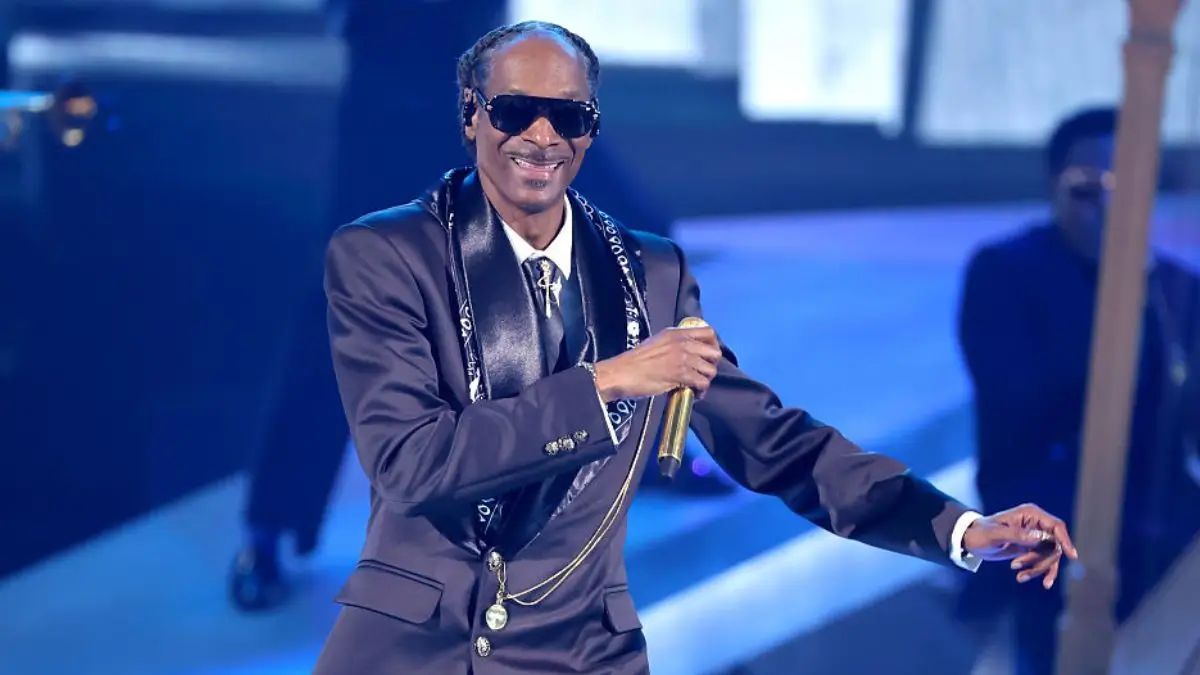
On the 'We in Miami' podcast, Master P took an unexpected turn, shifting the conversation from his own storied career to the troubling case of Mystikal. He addressed the 20-year sentence handed down after Mystikal pleaded guilty to third-degree rape. The incident, which occurred in 2022 at Mystikal's home in Prairieville, Louisiana, was both brutal and heartbreaking. The victim recounted a harrowing ordeal where she was punched, choked, and raped, prompting her to plead for the maximum penalty. Master P’s comments on the podcast added a layer of complexity to the narrative, highlighting a deeper issue within the Black community. He used his platform to explain the systemic failures that often go unnoticed, emphasizing the need for a community-wide reassessment of how mental health and substance abuse are addressed.
In the podcast, Master P didn't shy away from the harsh realities of substance abuse and mental health struggles. He suggested Mystikal had been grappling with undiagnosed issues, exacerbated by a lack of appropriate medical treatment. 'I don’t think he never got the right medicine he need,' he lamented, underscoring the broader epidemic of drug misuse that plagued not just Mystikal but the entire community. 'Drugs are killing our culture, killing our people,' he insisted. This insight explains a painful reality, one that is too often ignored in the sensational headlines that flood our news feeds. Master P's perspective forces us to confront the uncomfortable truths about how society often neglects the root causes of such destructive behavior, leaving individuals without the necessary support to handle their challenges.
In the YouTube video below, Master P's remarks resonate deeply as he gets into the stigma that surrounds mental health treatment in the Black community. His poignant commentary reveals an often-overlooked facet of the struggles faced by many within the community, where seeking help is stigmatized rather than encouraged. Master P emphasizes the need for open conversations about mental health, urging individuals to seek the support they need without fear of judgment. He points out that the silence surrounding these issues only perpetuates the cycle of suffering and calls for a collective effort to break down these barriers. By bringing these discussions to a public platform, Master P hopes to inspire change and foster an environment where mental health is prioritized and destigmatized.
The victim’s testimony, chilling in its detail, described a brutal night where violence replaced safety, and the sanctity of one's home was violated. Her courage in speaking out reminded the public of the real, human cost of these crimes. Mystikal's sentence, delivered on June 16th, was a moment of closure for her but raised questions about the wider issue of mental health and accountability. Master P's call for proper medical care and counseling was a clarion call to address these systemic failures. He urged that facing mental health issues shouldn't be frowned upon, a sentiment especially crucial in communities where seeking help is often stigmatized. His message shows the importance of shifting societal attitudes towards mental health and creating supportive spaces for individuals to come forward and seek the help they need.
This isn't Mystikal's first brush with the law regarding sexual violence. In 2003, he served time for sexual battery and extortion, revealing a pattern that begs for deeper exploration. Such repeated offenses aren't isolated incidents but indicators of systemic neglect. The parallels to other cases, like those of Nino Paid and Warhol.SS, highlight a disturbing trend where artists, plagued by personal demons, manifest their struggles in violent ways. It begs the question: what can be done to break this cycle? These patterns of behavior suggest a failure to intervene and support individuals before their challenges escalate to criminal actions. The justice system, community leaders, and the music industry must work together to create pathways for rehabilitation and support, focusing on prevention rather than punishment. Addressing the root causes of these issues is crucial to dismantling the cycle of violence and offering hope for redemption and healing.
The cycle of violence and neglect in our communities is a systemic failure, not an individual one.
The cycle of violence and neglect in our communities is a systemic failure, not an individual one.
Master P's commentary pulls back the curtain on the music industry's often-glamorized facade. Beneath the glittering surface lies a darker reality where fame and fortune can't protect one from personal demons. The industry, flush with cash but often bereft of empathy, tends to overlook the mental health issues that plague its stars. This oversight not only harms the individuals involved but also perpetuates a cycle of violence and exploitation. Without systemic change, we are destined to see more tragedies like Mystikal's unfold. The pressure to maintain a public image and the lack of support systems can lead artists down destructive paths. Master P's insights challenge the industry to take responsibility and provide mental health resources and support systems that prioritize the well-being of artists over profit. By fostering an environment of understanding and care, the industry can help prevent future tragedies and support artists in their personal and professional journeys.
The Instagram post below captures Master P’s broader call to action for the community, a plea for compassion and for breaking the silence surrounding mental health. In this digital age, social media platforms like Instagram serve as powerful tools for spreading awareness and rallying collective action. Master P utilizes his platform to reach a wide audience, encouraging followers to engage in open dialogues about mental health and the cultural barriers that hinder such discussions. His message emphasizes the importance of community support and empathy, urging individuals to come together to dismantle the stigma associated with mental health challenges. By fostering a culture of understanding and acceptance, Master P hopes to inspire lasting change and empower individuals to seek help without fear of judgment. His call to action resonates with many, highlighting the potential for social media to be a catalyst for positive societal shifts.
For the Black community, the stigma around mental health is historically rooted in a legacy of survival against systemic oppression. Admitting vulnerability has often been seen as a luxury, not a necessity. Yet, as Master P eloquently argued, acknowledging and treating mental health isn’t a sign of weakness but a step toward healing. His words echo a growing movement among thought leaders and activists pushing for more accessible mental health resources tailored to the unique experiences of Black individuals. This movement recognizes that mental health care must be culturally competent and sensitive to the historical and social contexts that shape the mental health experiences of Black people. By advocating for tailored resources and fostering open conversations, the community can work towards breaking down the barriers that prevent individuals from seeking help. Master P's stance is a call to action for society to prioritize mental health and create supportive environments that empower individuals to thrive.
Advertisement
What do Mystikal’s legal troubles say about our justice system? They suggest a system more focused on retribution than rehabilitation. The courts, often out of touch with the human aspects of crime, deliver harsh sentences without addressing underlying issues. The lack of rehabilitative measures in sentencing fails both the perpetrator and society by not preventing future offenses. A shift towards holistic justice, one that treats mental health issues as part of the judicial process, is necessary for meaningful change. This approach would involve integrating mental health assessments and treatments into sentencing, ensuring that individuals receive the support they need to address the root causes of their behavior. By focusing on rehabilitation rather than solely punishment, the justice system can work towards reducing recidivism and fostering positive outcomes for both individuals and communities. This paradigm shift requires collaboration between legal experts, mental health professionals, and community leaders to create a more just and compassionate system.
Looking ahead, Mystikal's sentence serves as a somber reminder of the work still needed within our communities and justice systems. Master P's call for proper mental health care and breaking the stigma is a challenge to all of us to rethink our approach to justice and healing. As the conversation continues, it's crucial that these calls to action translate into tangible changes. The stories of our community deserve careful reflection and decisive action, not just headlines. Only then can we hope to prevent the cycles of violence and suffering that have claimed too many lives already. By actively engaging in these discussions and implementing meaningful reforms, we can create a safer, more supportive environment for future generations. The responsibility lies with all of us to push for systemic change, ensuring that justice is not only served but also accompanied by healing and prevention.