
Memphis Turned the Underground Into the Blueprint for Trap.
Picture 1993 and a Friday night at Crystal Palace, the skating rink where Memphis went to be seen. The source sets the scene with a mom's Cutlass out front, a freshly lined high-top curl and a floor full of skates. Th...
Advertisement

Picture 1993 and a Friday night at Crystal Palace, the skating rink where Memphis went to be seen. The source sets the scene with a mom's Cutlass out front, a freshly lined high-top curl and a floor full of skates. Then DJ Spanish Fly, the man the city calls its godfather of the scene, drops the new single from G-Style. A sample from Friday the 13th crawls out of the speakers, a drum pattern answers it, and the whole building knows the sound before the first verse lands. Ratta. Tatta. Ratta. Tatta. Boom. That is how We Are Memphis opens its look back at four decades of the city's rap, and it is the right place to begin, because Memphis hip hop never started in a boardroom. It started in rinks, trunks and neighborhoods.
The We Are Memphis retrospective dates the city's rap scene to the mid 1980s and argues that its fingerprints are all over the national sound of today. The record bears that out in the details. The writer recalls Tommy Wright III cassettes in the back of the trunk. The writer remembers scraping together eighteen dollars to buy Project Pat's Layin da Smackdown at Poptunes. The writer remembers hearing Hypo Da Mic and Bukwild's All About the M at the D and D and feeling the love for Memphis rap renewed. None of that was built for a national chart. It was built for the people on the next block, and it traveled anyway, one cassette and one car stereo at a time.
Start with the hustle, because the source does. The writer points out that the first words on Gangsta Pat's 1991 debut, All About Comin' Up, were an announcement: I need money, it's time for me to get paid. Seven years later Gangsta Boo asked where the dollars were. In 2015 Young Dolph put it in two rules on his record Get Paid: get the money first, and don't forget to get the money. Three artists, three decades, one steady message. The retrospective ties that priority to a plain fact about the city. Memphis has long ranked among the poorest large metros in the country, and for people in the urban core the hustle was often about survival. Whether the money came from a street economy or a factory shift while the rap career got going, the stories that got celebrated were the ones about turning fifteen cents into a dollar.
Gucci Mane, an Atlanta legend by anyone's count, told a reporter that when he was hustling he was always playing Memphis rap. He said the city had such an underground scene that it was what he gravitated to, calling it the most gutter music. That testimony matters because of who is giving it. It does not mean Memphis invented every ingredient of trap, and PVN is not going to say it did. It means that one of the architects of trap says the records he trusted while he worked came from Memphis. When the person who helped define a sound credits the tapes that fed him, the history is not up for debate. The credit is the point.
The second thread is movement. The retrospective notes that gangsta walking was around in the 1980s, then caught national attention in 1993 with G-Style's Gangsta, and that those South Memphis veterans handed the culture a dance form now known as jookin and buckin. A dancer named Romeo explains the appeal in the video the source points to: getting buck can release frustration, have fun and be cool all at the same time. The article follows jookin forward through G-Nerd, Ladiya Yates, Lil Daniel and Lil Buck, and notes that Memphis rappers have introduced a new dance every couple of years, from the mangula to the paper chase to the hard head to the cash walk. A city that keeps inventing steps is a city where the record and the room were never separate things.
Watch: Three 6 Mafia, One Long Night in Memphis, dark 90s Memphis hip hop
The clip above, from the Back2The90s channel, sits inside that same early to mid 1990s window and gives a feel for the dark atmosphere the era is remembered for. Three 6 Mafia is one of the most famous groups to come out of that world, and the sound in that footage is the part of the story words can only describe. It is fan channel archival material, offered as atmosphere and not as a claim about any specific recording.
The third thread is loyalty to the neighborhood. We Are Memphis says the city's allegiance runs through the church, the high school and above all the hood, and that every hood has a hand sign and a theme song. The receipts come in order. Gangsta Blac laid out South Memphis on S.O.U.T.H. Parkway in 1999. Da Volunteers showed the city their favorite color in 2006. In 2019 Duke Deuce made sure the world knew he was from Blackhaven. If you want to learn a Memphis neighborhood, the writer says, find a Memphis rap song about it. That is a map no planner drew, and it is still more accurate than most of the official ones.
Here is the through-line to the national industry, stated carefully. The source argues that Memphis rap has helped shape the sound of today's national hip hop, and it points to the dark production, the hustle first writing and the dance culture as the lasting contributions. Gucci Mane's quote supports the claim about trap's lineage from the artist's side. What the supplied reporting does not establish is who owns these early recordings, who gets paid when the sound is borrowed, or how much money the originators ever saw. Those are separate questions from influence, and they deserve their own reporting. A sound can be everywhere and the people who built it can still be left out of the ledger.
That is the part of the story PVN thinks the culture should keep pressing. A regional underground scene that moved on tapes, in trunks and through rinks proved that an independent Black music economy could work without waiting for permission. Artists reached listeners directly, DJs like Spanish Fly introduced records in local rooms, and dancers turned the sound into something you could do with your body. The national business later learned the lesson that Memphis already knew. Local circulation is not a stepping stone. For a while it was the whole business, and it built the audience that everyone else later chased.
Memphis is still sending talent upward. The retrospective closes by celebrating the next generation, naming Pooh Shiesty, Jucee Froot and Herion Young as artists signing major deals, and it salutes the radio stations, the DJs, the producers, the clubs and the promoters who keep pushing the city's music. The through-line is that the pipeline from the neighborhood to the national stage, by the source's own account, is still open.
Today, the question for Memphis is what it does with its own record. The city brands itself as the home of soul and the blues, and the hip hop story is part of the same line, from Beale Street to the skating rinks to the studios that still run late. A genuine commitment to the rap archive would look like preserved tapes, recognized producers and a venue circuit that pays the people who built the sound. That would turn a tourism story into a heritage one, and it would put real money behind a history the city says it is proud of.
If you were there, PVN wants what the record missed. Tell us about Crystal Palace on a Friday, the first Tommy Wright III tape you ever found in a trunk, the corner store where you bought Project Pat on release day, or the cookout where The Showboys' Triggaman came on and nobody stayed in their seat. Drop the clubs, the stations, the block names and the years in the comments. The people who lived it are the only complete archive Memphis hip hop has, and We Are Memphis did the work that gave us a place to start.
Memphis did not borrow its sound from anyone, and it did not wait to be told it mattered. The tapes moved, the dances spread and the hustle records said what the city was feeling out loud. Calling the underground the blueprint is not a stretch. It is what the people who built on it keep telling us, and the credit, along with the money, is long overdue.
Advertisement
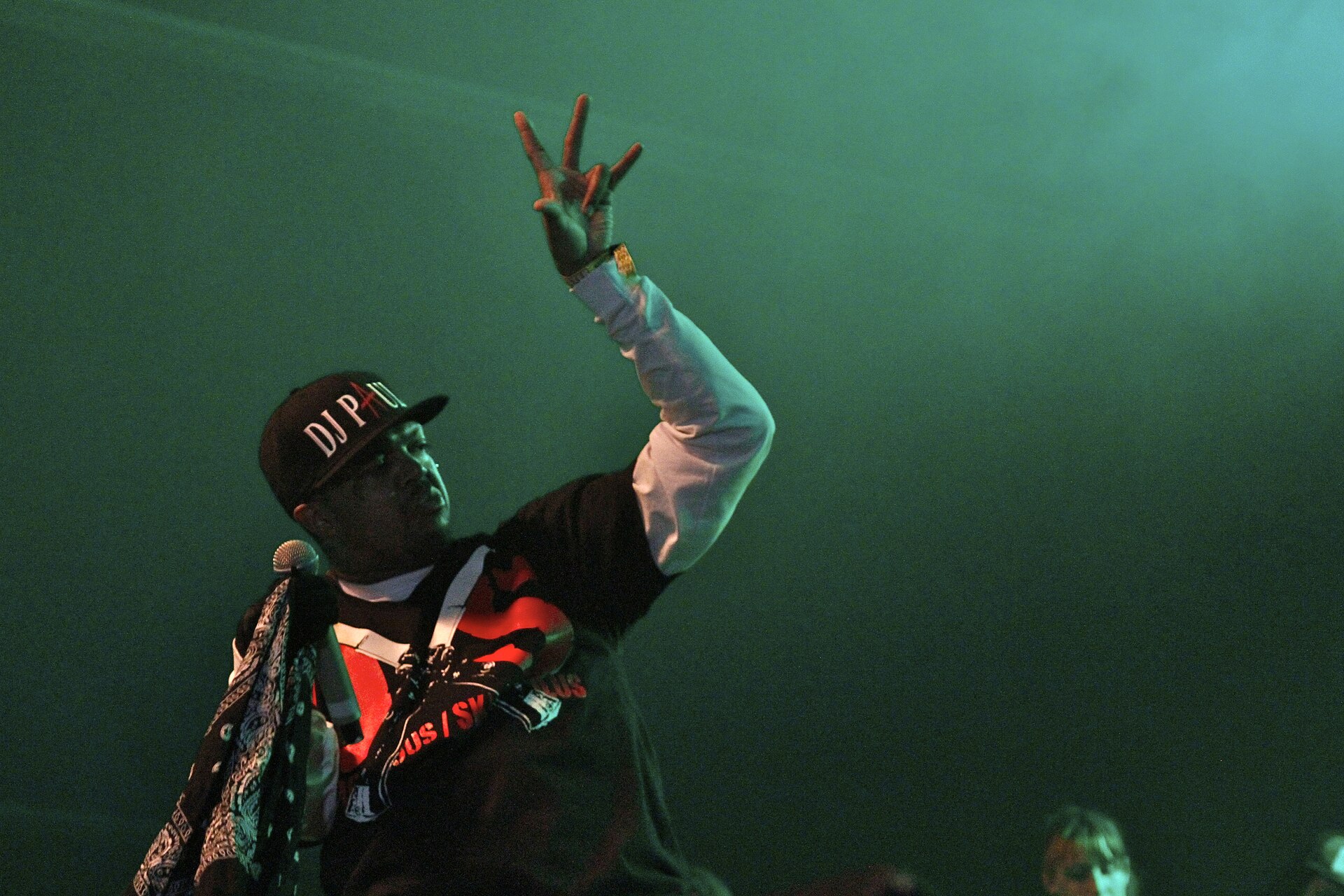
Source: We Are Memphis, "What Have We Learned From 4 Decades of Memphis Hip-Hop?" (posted June 8, 2020; updated March 28, 2024). Photo: DJ Paul of Three 6 Mafia, via Wikimedia Commons, CC BY 2.0.
More from PowerVault Network:
