Mike Tyson and Diddy's Trump Letter: The Untold Story
By Simone Walker, PowerVault Staff Imagine a world where heavyweight boxing legend Mike Tyson and hip-hop icon Diddy cross paths not in a studio or a ring, but in the shadows of political influence. It's a wild scene,...
By Simone Walker, PowerVault Staff
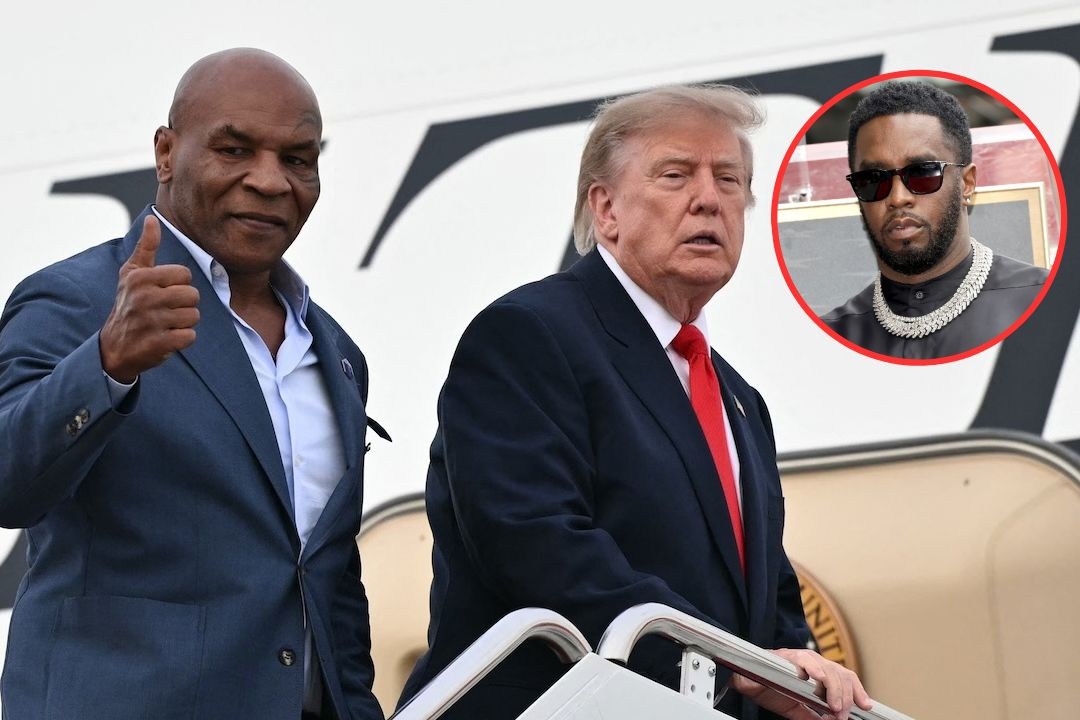
Imagine a world where heavyweight boxing legend Mike Tyson and hip-hop icon Diddy cross paths not in a studio or a ring, but in the shadows of political influence. It's a wild scene, but that's exactly what unfolded when Tyson revealed he sent a letter to then-President Donald Trump at Diddy's request. The revelation came during an interview with Andy Cohen on SiriusXM, a platform better known for dishing out celebrity gossip than unmasking political intrigue. Yet, here we are, witnessing an unexpected alliance that bridges the gap between the raw power of the boxing ring and the glitz of hip-hop culture, all playing out against a backdrop of political maneuvering.
Tyson, known for his fierce punches and infamous ear-biting episode, showed a softer side when he talked about being 'friendly with Puff,' referring to Diddy's former stage name. In the interview, Tyson shared how he wrote to Trump on behalf of Diddy, whose legal troubles landed him a 50-month prison sentence. The surprising request had everyone asking the same question: what was Diddy hoping to achieve? With the stakes high and the drama thick, Tyson's letter was speculated to be a plea for a presidential pardon. This is more than a favor; it was a calculated move in a high-stakes game of influence and power.
Tyson was candid about his surprise at the legal lengths taken to incarcerate Diddy, specifically mentioning the use of the 110-year-old Mann Act case as a tool against him. In the interview, Tyson questioned the fairness of such tactics, stirring up thoughts about justice and power. The Mann Act, originally designed to combat human trafficking, has a controversial history of being used selectively, raising eyebrows about its application in Diddy's case. Could this be a strategic move to bring a music mogul back into the spotlight or a reminder of the unpredictable nature of legal battles? Tyson's full comments can be seen in the clip below, shedding light on his perspective.
The relationship between Tyson and Diddy might seem unlikely, yet here they are, entwined in a narrative that stretches from the music world to the corridors of political power. Tyson admitted to speaking with Diddy while incarcerated, describing a phone call where Diddy asked for a letter to be delivered to Trump. This request pushes the boundaries of celebrity influence and political engagement, hinting at backdoor dealings that most of us only see in movies. The interaction reveals a deeper dynamic where personal connections and influence could potentially sway political decisions, highlighting the complex interplay between celebrity status and the halls of power.
Diddy's legal struggles are well documented, and his time in solitary confinement at FCI Fort Dix adds another layer to this saga. Allegations of Diddy enjoying luxuries behind bars, including massages and alcohol, have been swirling, painting a picture of a man who refuses to go quietly. These stories of excess and privilege only seem to fuel the intrigue behind the letter Tyson delivered. The narrative of a mogul living large even when locked up shows the complexities of celebrity justice, where wealth and status can sometimes bend the rules, while Tyson's involvement adds another twist to the unfolding drama.
This isn't the first time the hip-hop world has found itself tangled with politics. Remember when Kanye West visited Trump at the Oval Office back in 2018? That surreal moment blurred the lines between fame and governance, showing us how celebrity influence can make its way into political arenas. Similarly, Diddy's appeal to Trump through Tyson echoes a history of celebrities trying to wield their influence in politics, a trend that stretches back decades. From Frank Sinatra's ties with the Kennedys to modern-day rap icons making political moves, the dance between celebrity and politics is as old as the industry itself.
But here's the twist: what does it say about the industry when titans like Tyson and Diddy feel the need to appeal to political figures for intervention? While fame can open doors, it's a stark reminder that even the most celebrated individuals can find themselves at the mercy of systemic forces.
Tyson's involvement in asking Trump for a favor reflects the complicated web of power and influence in the industry.
For Diddy, this plea reflects the desperation of a mogul entangled in legal quagmires. The weight of his empire, from music to business ventures, rests on his shoulders, and a pardon could have been a ticket back to the helm. Tyson's involvement in asking Trump for a favor reflects the complicated web of power and influence in the industry. At a time when alliances shift like sand, Diddy's move to involve Tyson says a lot about the lengths some will go to regain control. The hip-hop mogul's legal battle is not just about personal freedom, but about reclaiming his spot at the top of a multi-million-dollar empire.
The hip-hop community is no stranger to legal entanglements. From Jay-Z's Roc Nation handling legal mazes to 21 Savage's immigration battles, the culture has long been under scrutiny. Diddy's situation is a reminder of how quickly things can unravel, exposing the vulnerabilities even the most powerful figures face. The community watches, knowing that today's power players can be tomorrow's cautionary tales. In an industry where artists often walk a fine line between success and scandal, Diddy's legal woes serve as both a warning and a reflection of the systemic challenges that many in the culture continue to confront.
The audience, the true lifeblood of hip-hop, feels these ripples. Fans see their idols grappling with challenges that seem worlds away, yet so close to home, bridging the gap between the glamorous life and harsh realities. Diddy's story offers a reflection on the human condition, celebrity status, and the thin veneer separating privilege from plight. As fans, we are reminded of the complexities that come with fame and fortune, where one wrong move can shift the narrative. This saga isn't just about Diddy; it's a mirror reflecting the struggles and triumphs of a culture that remains resilient.
At the heart of this narrative lie the social dynamics of race, class, and power. Tyson, Diddy, and Trump are all players in a game where influence is currency. The racial undertones are undeniable, as Black celebrities handle a predominantly white political scene in an attempt to wield their influence. The intersection of race and power in this story highlights the systemic challenges many Black artists face, as they strive to carve out a space within a framework that often marginalizes them. This is more than a story of legal battles; it's about the ongoing fight for equality and representation in spaces where they are often denied.
Looking forward, this saga puts a spotlight on the future of celebrity involvement in politics. Will more icons step into these murky waters, or will they be deterred by Diddy's experience? Nobody knows yet, but as we watch these stories unfold, we're reminded of the ever-blurring lines between fame, power, and influence. At a time when social media amplifies every move, the potential for celebrities to impact political discourse is more significant than ever. Keep an eye on how this all plays out, because, in the world of hip-hop and politics, nothing is as straightforward as it seems.



