Mo3 Murder Case: Why Kewon White Wants a New Trial
By Malik Carter, PowerVault Staff In the courtroom, silence hung heavy like a loaded bassline, echoing the gravity of a tempo that never missed a beat. Amidst this tension, one juror, slouched back as if caught in the...
By Malik Carter, PowerVault Staff
In the courtroom, silence hung heavy like a loaded bassline, echoing the gravity of a tempo that never missed a beat. Amidst this tension, one juror, slouched back as if caught in the sway of an invisible rhythm, seemed to drift with every stray note, oblivious to the weight of the testimony unfolding just feet away. This is more than another trial; it was the courtroom crescendo of a high-profile murder case involving Mo3, a rising star whose life was snatched away on a Dallas highway like an unfinished beat. The stakes were monumental, each word a note in a tragic symphony that demanded attention, yet one juror appeared to miss the melody entirely.
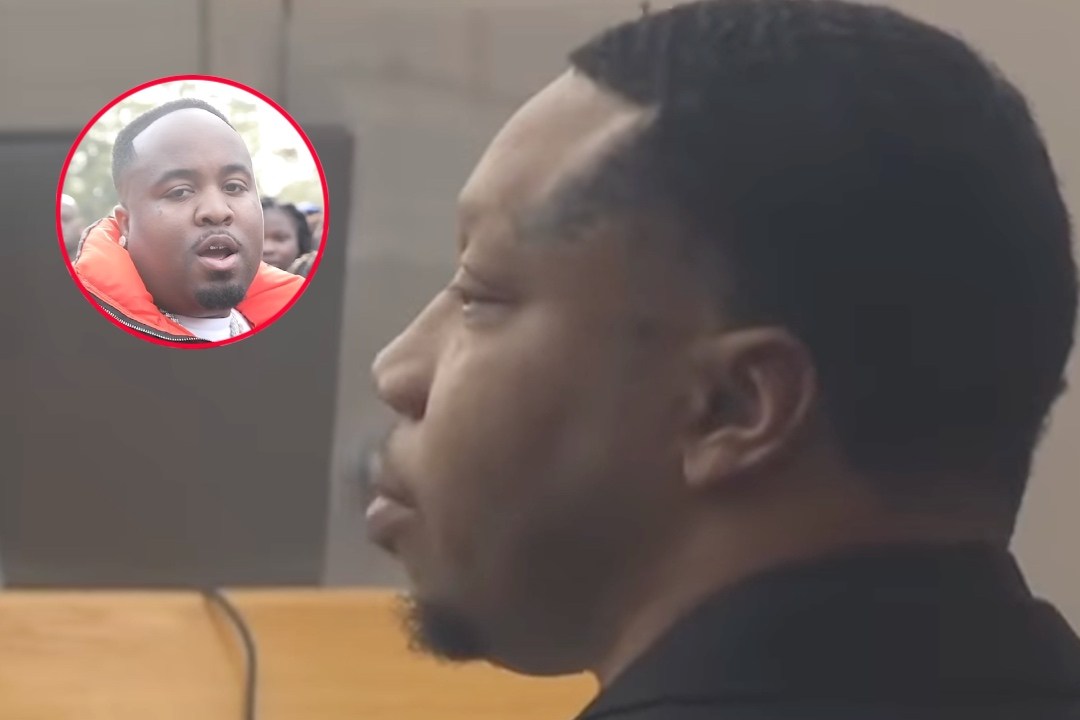
Now, Kewon White, Mo3's convicted killer, is seeking a retrial, stirring the pot yet again. According to XXL, White's attorneys are claiming jury misconduct, saying a juror snoozed through critical testimony during his eight-day trial. This isn't a small oversight; it's a bombshell allegation that the very foundation of his conviction might be flawed. The motion filed argues for a violation of his constitutional rights, painting a vivid picture of negligence, a juror caught napping on the job, missing vital clues that could sway justice. White’s defense is banking on this angle, hoping to overturn a verdict that landed him a life sentence, all because one person in the box couldn't keep their eyes open.
The motion claims, 'The juror's sleep was open and obvious,' detailing how she leaned back in her chair, head bobbing in and out of focus. White's team isn't just throwing out these accusations lightly; this is their second swing at overturning his conviction. They’re aiming to highlight how crucial moments of the trial were lost on someone who should’ve been alert. Last month, White was found guilty of gunning down Mo3 in 2020 and got slapped with life in prison without parole. For White, this isn’t just about legal points but about highlighting potential flaws in the system that led to his downfall. Check the scene in the clip below.
The stakes are higher than ever. Prosecutors have thrown allegations that money changed hands, suggesting Yella Beezy, another player in the rap game, paid to have Mo3 taken out due to some beef. This is more than courtroom drama; it's an accusation that adds layers of complexity to an already tangled narrative. From the streets to the courtroom, this story isn’t just about a murder; it's about the intricate web of rivalries that can turn lethal in the blink of an eye. What might seem like a simple transaction in the shadows can have fatal consequences, turning artistic rivalries into deadly confrontations. It’s a reminder of how quickly the line between the game and real life can blur.
Judge Chika Anyiam now has the task of examining White's latest motion, with 75 days on the clock to decide its fate. This is more than another day at the office for her; it's a decision that could shift the scales of justice in a high-profile case watched by many. Meanwhile, Yella Beezy, accused of orchestrating this deadly play, is gearing up for his day in court later this month. His trial could either reinforce White's conviction or unravel it, adding more fuel to the fire. The courtroom becomes a stage for a legal drama that spills beyond its walls, capturing the attention of those who understand that this is more than just legal jargon, it's a life on the line. You can dive deeper into the legal drama in the next video.
This isn't the first time courtroom drama has taken center stage in a high-profile case. Remember the O.J. Simpson trial in the '90s? A saga riddled with racial undertones and societal divide that captivated the nation. That trial wasn't just about the guilt or innocence of one man; it was a reflection of a divided America, with its justice system laid bare for all to see. The justice system's credibility was under scrutiny then, just as it is now in cases like the AKA murder trial. These modern-day sagas have become a mirror reflecting systemic flaws and biases that continue to plague our courts. They force us to confront uncomfortable truths about fairness and inequality that aren't as buried as we'd like to believe.
Sloppy juror behavior challenges the integrity of our justice system and raises serious questions around fair trials.
Sloppy juror behavior challenges the integrity of our justice system and raises serious questions around fair trials.
For White and his legal squad, this is more than just courtroom theatrics, it's about spotlighting how a single juror's negligence can derail justice. The streets are watching, knowing too well the song and dance of a system that sometimes seems rigged against them. White's claim about the napping juror isn't just a legal maneuver; it's a direct challenge to the system itself. It's a call-out to the processes that are supposed to safeguard fairness but sometimes fall short. This isn’t just White’s fight; it’s emblematic of a larger struggle against a backdrop of a legal system that many feel is blind to its own biases and blind spots. The community understands these stakes, as they often find themselves as spectators in a game where the odds aren't always even.
In the broader industry, this case illustrates a harsh reality. While hip hop often glorifies the hustle, it also exposes the volatile dynamics between artists. The Mo3 murder trial pulls back the curtain on a world where every lyric, every diss, can dangerously escalate. It echoes past feuds where mic battles morphed into street battles, and tragically, sometimes the price is life itself. The industry has seen its share of legendary beefs, some resolved, others ending in tragedy. The Instagram post below captures the kind of tension that audiences are all too familiar with, a reminder that behind the verses are real people with real consequences. This is more than about music; it's about understanding the fine line between art and the reality it often reflects.
The community itself bears a heavy burden. For fans and followers, the courtroom drama is more than entertainment, it's a painful reminder of the real-world consequences lurking behind the music we love. Behind every beat and rhyme, there’s a narrative that too often spills into reality with devastating effects. As Mo3's story unfolds, it's a moment to reflect on how we, as consumers, are complicit in the narratives that fuel these rivalries. Engaging with the art means engaging with its darker sides too, acknowledging the culture's complexity and the cost of its conflicts. The responsibility doesn’t just lie with the artists but with those who consume their art, understanding that what we support shapes the culture in profound ways.
Beneath the surface lies a discussion about power, money, and the racial dynamics at play. The Mo3 case isn't just about two rappers beefing; it's about how the music industry often amplifies these rivalries for profit, using them like a marketing tool. These conflicts are not just personal; they're often fueled by an industry that benefits from drama. It's a twisted game where lives are leveraged for clicks and streams, eerily similar to other systemic issues exposed in family violence cases. The industry’s role in these narratives puts a spotlight on responsibility and ethics, forcing us to consider whether the allure of profit justifies the risks to the artists' lives and legacies.
As the legal chess game continues, eyes remain peeled on what the court decides. Will White's plea for a new trial shake up the verdict, or will it backfire? With Yella Beezy's trial on the horizon, the story is far from over. Every move in this case is watched closely, analyzed for its implications beyond the courtroom. Watch closely, because this case is more than a headline, it's a reflection of the complex, sometimes perilous world where art and life collide. It’s a story that echoes beyond the legal jargon, resonating with those who understand that in the world of hip hop, reality and art are often separated by the thinnest of lines.



