Mo3's Killer Denies Yella Beezy Connection: What's Really Happening?
By Marcus Ellison, PowerVault Staff Picture this: the underbelly of Dallas, a city known for its sprawling streets and Southern swagger, finds itself at the epicenter of a mysterious murder case that's shaking the hip...
By Marcus Ellison, PowerVault Staff
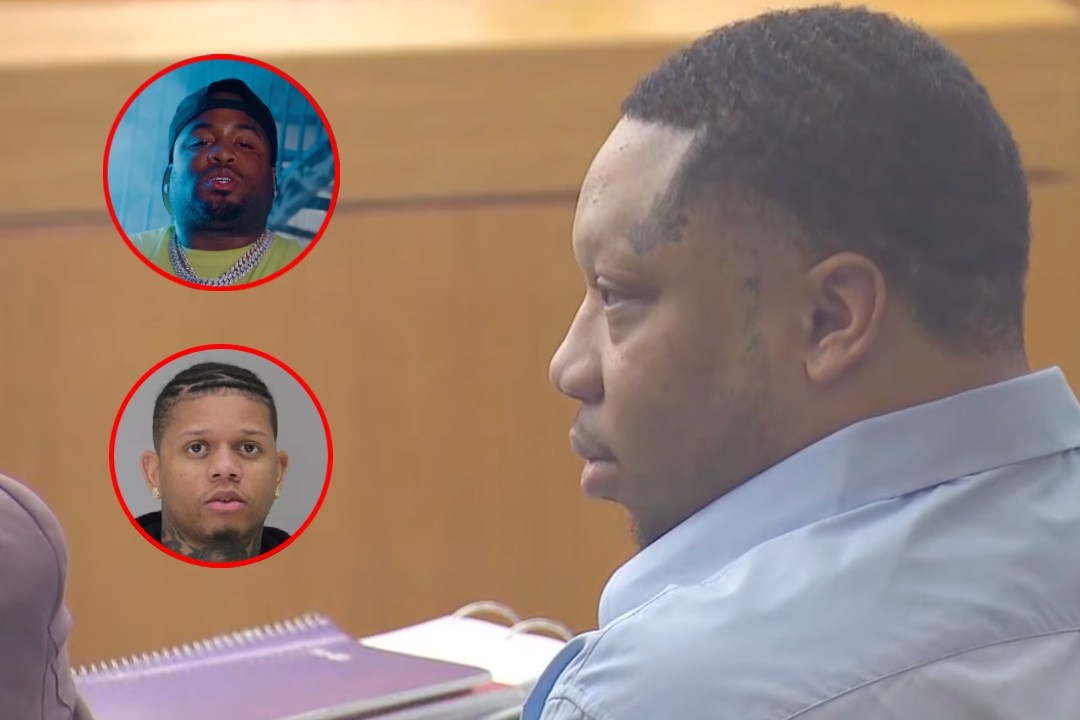
Picture this: the underbelly of Dallas, a city known for its sprawling streets and Southern swagger, finds itself at the epicenter of a mysterious murder case that's shaking the hip hop world. Mo3, a rising star whose verses painted a raw picture of street life, was gunned down in broad daylight on I-35. The shadow of his death looms large, casting a long shadow over the rap scene. Recently, his alleged killer made headlines, insisting that fellow Dallas rapper Yella Beezy had nothing to do with the hit. But the story doesn't stop there.
For those who aren't hip to the tension, let's rewind. Mo3 and Yella Beezy, two of Dallas's most buzzworthy artists, were embroiled in a public beef that played out both on the streets and online. It was a feud steeped in real-life rivalry, with rumors swirling about who was plotting against whom. So when Mo3 was tragically murdered in November 2020, fingers naturally pointed toward Yella Beezy. But the alleged triggerman, Kewon Dontrell White, claims Beezy was not behind the grim deed.
The first video below shows the full scene of the shooting and its aftermath.
White pleaded guilty to gun firearm charges related to the case but has consistently denied being paid by Yella Beezy to take out Mo3. In an exclusive interview, he stated, "Yella Beezy didn't pay me to do nothing. I don't even know him like that." His statement seems straightforward, yet it leaves many questions unanswered. The streets are listening, and the silence from Yella Beezy has only added more fuel to the fire.
The complexities of this case aren't just about a murder; they're about the systemic issues that continue to plague hip hop. This isn't just beef on wax, it's the grim reality of how real-life conflicts bleed into the music. The culture has seen this pattern before, from Biggie and Tupac's era-defining feud to more recent scuffles between Drake and Meek Mill. When real street beef intersects with hip hop, the consequences can be deadly.
This isn't just beef on wax, it's the grim reality of how real-life conflicts bleed into the music.
White's insistence on Yella Beezy's innocence raises an eyebrow or two, especially given the high-profile nature of the case. The industry has long been a breeding ground for rivalries that turn dark. And in a genre where authenticity is everything, artists are often caught between their public persona and private turmoil. Mo3's death, and the ongoing investigation, highlights the blurred line that rappers must handle between their art and their lives.
But beyond individual beefs, there's a broader discussion to be had about the forces at play. Hip hop has always been a reflection of its environment, a mirror to societal issues that mainstream media often overlooks. Mo3’s murder, in this sense, is not just a personal tragedy but an indictment of the systemic issues that disproportionately affect Black communities. Poverty, violence, and a lack of opportunities often create a perfect storm, leaving young Black men to fend for themselves in a world that's stacked against them.
Yella Beezy, meanwhile, remains under scrutiny as the hip hop community speculates about his potential involvement. The pressure on him to clarify his stance is immense, and in an industry where perception is reality, staying silent could be just as damaging as being implicated. With every tick of the clock, the stakes grow higher, not just for Beezy, but for Dallas' reputation as a burgeoning rap hub.
The tension is palpable in the second video below, where Yella Beezy addresses the situation indirectly.
The impact on the community is significant. Mo3 was more than a rapper, he was a voice for those who felt unheard, a symbol of perseverance in the face of overwhelming odds. His music resonated with fans because it told their stories. Now, in the wake of his death, the community is left grappling with a sense of loss and the fear that justice may never be served.
The industry, too, is at a crossroads. As hip hop continues to grow into a global phenomenon, it faces the challenge of addressing its internal conflicts while maintaining its authenticity. The line between entertainment and real-life drama is thinner than ever, and how the industry handles this will set a precedent for the future. Will it continue to glorify violence for commercial success, or will it take a stand to protect its artists?
The Instagram post below captures the raw emotion and support from fans remembering Mo3.
As the investigation unfolds, one thing is clear: this is a moment of reckoning. The hip hop community, the industry, and fans alike must confront the impact of violence that too often shadows the music. The streets are watching, and the narrative is still being written. Whether Yella Beezy is innocent or not, the incident reflects a need for change, a call for accountability, not just from the artists but from the systems that exploit them.
Looking forward, the story of Mo3 and Yella Beezy isn’t just about what happened on that fateful day in Dallas. It's about understanding the roots of the violence that claimed Mo3's life and using that understanding to build a better future for the next generation of artists. The hip hop community has the power to turn tragedy into triumph, to rewrite the script that has claimed too many lives already. The question is, will it?