Mystikal's 20-Year Sentence: Master P's Insight and Industry Reflections
By Marcus Ellison, PowerVault Staff It's a dimly lit room where the past and present of rap legends collide. On the "We In Miami Podcast," Master P, the visionary behind No Limit Records, takes a seat. The atmosphere...
Advertisement

By Marcus Ellison, PowerVault Staff
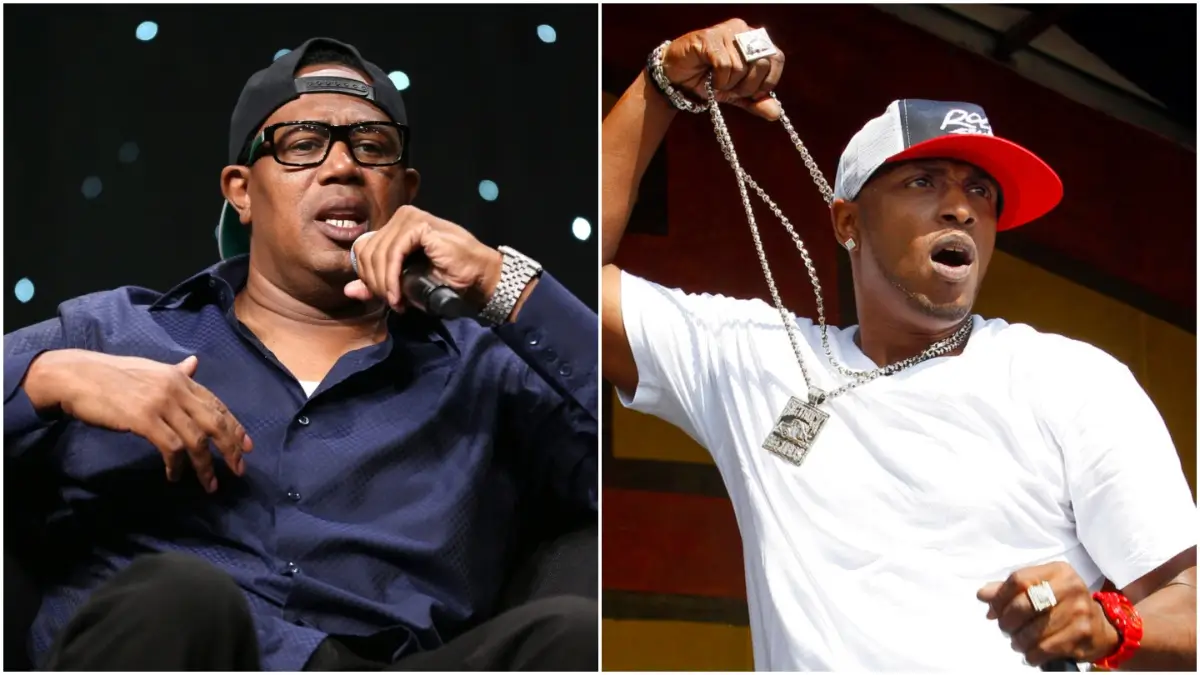
It's a dimly lit room where the past and present of rap legends collide. On the "We In Miami Podcast," Master P, the visionary behind No Limit Records, takes a seat. The atmosphere is charged, heavy with nostalgia and unspoken tension. This isn't merely a trip down memory lane, nor is it a casual discussion about beats and rhymes. It's a moment where the focus shifts to Mystikal, the rapper whose life took a harrowing turn. The narrative unfolding is a cautionary tale that transcends music, delving into the rippling consequences that extend far beyond the mic and into the lives of those who once stood at the pinnacle of hip-hop greatness.
On October 10, the conversation on the podcast took a serious turn, bringing the spotlight onto a topic many in the industry have avoided. Master P, the mogul who transformed No Limit Records into a powerhouse, spoke candidly about Mystikal's tumultuous journey. Michael Lawrence Tyler, known to the world as Mystikal, is now serving a 20-year sentence in the Louisiana State Penitentiary for third-degree rape. It's a stark fall from grace for a man who once played a pivotal role in carving No Limit's empire. Master P, in a rare moment of vulnerability, didn't shy away from addressing the deep-seated issues that plagued his former artist, highlighting the complex interplay of personal and professional struggles.
Master P's reflections come at a time when much of the industry remains eerily quiet about Mystikal's conviction, choosing silence over confrontation. Yet, Master P broke that silence, acknowledging not only Mystikal's invaluable contributions to No Limit Records but also lamenting the personal struggles that cast a shadow over his career. The narrative is as intricate as it is tragic, illustrating how the intoxicating allure of fame often dances dangerously close to personal demons. The podcast episode provides an unflinching look at the monumental impact Mystikal had on hip-hop and the heartbreaking downfall that ensued, offering viewers a close look into the complexities of his story.
Following the podcast, the dialogue surrounding Mystikal's journey was reignited, sparking fresh conversations about accountability and redemption within the entertainment industry. This isn't the first instance where hip-hop icons have faced legal battles that eerily mirror the conflicts they rap about. Master P's comments compel us to examine the coexistence of talent and turmoil, a recurring theme in a culture that often glorifies past triumphs while grappling with current harsh realities. His words resonate deeply, urging a reflection on how the culture navigates this challenging intersection, where the celebration of musical legacy meets the imperative of confronting personal accountability.
Master P's insights offer a rare and candid glimpse into the inner workings of an industry where the glitter of success often masks underlying struggles. Mystikal's case is not an isolated incident; it shows a recurring theme where artists lose themselves amidst the blinding lights of fame and the seductive allure of fortune. As fans dissect these latest revelations, an uncomfortable truth emerges: the same industry that builds legends can also be the stage for their unraveling. This discussion isn't just about entertainment; it's about understanding the complexities of an industry that must reckon with its role in both elevating and exploiting its stars.
This narrative isn't confined to Mystikal alone; it's part of a broader pattern where numerous artists have faced the consequences of actions that overshadow their creative brilliance. Remember Chris Brown's tumultuous legal battles or the ongoing saga of R. Kelly's legal woes? These stories highlight a disturbing pattern where personal failings become public spectacles, casting long shadows over the careers and cultures these artists once helped shape. Over the past two decades, we've witnessed a litany of tales where offstage lives spiral into chaos, leaving us to question how the industry can better support its talents before they become tabloid headlines.
The real question is, when will the community demand that the industry prioritize character as much as talent?
The real question is, when will the community demand that the industry prioritize character as much as talent?
Mystikal's story is not merely about individual error; it reflects an industry that often turns a blind eye to personal struggles until they explode into the public sphere. While the hip-hop community celebrates authenticity and raw expression, it must also face the consequences of unchecked behaviors that can lead to ruin. Master P's candid remarks show the pressing need for mentorship and accountability in an environment where youthful exuberance frequently collides with harsh reality. The crucial question arises: Is the industry doing enough to support its artists beyond the glitter and glamour of the spotlight, ensuring they have the tools to handle their personal challenges successfully?
The industry’s tendency to capitalize on controversy cannot be ignored. Mystikal's story transcends the narrative of a man falling from grace; it shows how media narratives can overshadow the humanity behind the headlines. When tales like these capture public attention, they often generate more buzz than the music itself, creating a cycle where scandal transforms into entertainment. This raises a critical issue for the industry: the necessity of approaching personal tragedies with sensitivity, ensuring they are not reduced to mere content for public consumption. The industry must tread carefully, balancing the line between storytelling and sensationalism.
For fans, Mystikal's story serves as a poignant reminder of the complexities involved in supporting artists. The hip-hop community has long been the backbone of the genre, but it's time to critically examine what that support truly means. Is it merely blind admiration, or should it entail an active role in encouraging artists towards positive change? The narrative surrounding Mystikal challenges us to reassess our engagement with the artists we cherish and consider whether we hold them accountable for their actions while still celebrating their contributions to the culture. It's a delicate balance that requires thoughtful reflection and action.
At the core of Mystikal's legal woes lie issues of systemic injustice and socio-economic pressures that frequently shape the trajectories of Black artists. The cycles of incarceration and redemption resonate deeply within the Black community, telling stories all too familiar. Mystikal's narrative isn't just about one man's downfall; it's about a broader understanding of the institutional factors contributing to these outcomes. The entertainment industry, ideally, should act as a catalyst for change, advocating for systems that support and uplift artists, instead of perpetuating cycles of struggle and exploitation. It's a call to action for real, transformative change.
Advertisement
Looking forward, Mystikal's sentence serves as a cautionary tale, highlighting the need for deeper conversations about personal responsibility and industry pressures. The community must rally not just in support of the music, but in fostering environments that nurture artists holistically. As we dissect these narratives, the hope is that they inspire change and not just conversation. True progress will be when the industry values well-being as much as wealth.
As the conversation around Mystikal evolves, the stakes are high for an industry that thrives on storytelling. What happens next could redefine how hip-hop handles its fallen stars. Will it be a story of redemption, or another chapter in an ongoing saga of missed opportunities for change? The community holds the power to demand shifts, ensuring that future artists don't just build empires, but do so with integrity and foresight.