N.O.R.E. Faces Sexual Assault Lawsuit — What This Means for Hip Hop Culture
By Jasmine Reed, PowerVault Staff Late nights, dimly lit rooms, and the hum of conversation that carries a little too much weight. It’s a familiar scene in hip hop, where the lines between camaraderie and controversy...
Advertisement

By Jasmine Reed, PowerVault Staff
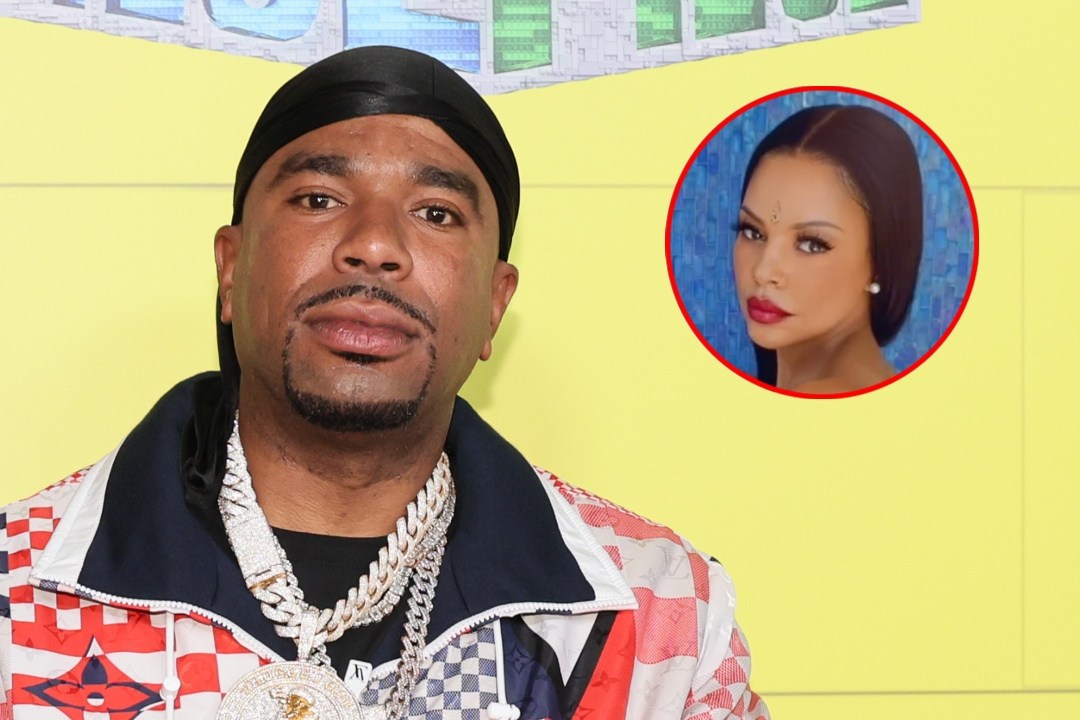
Late nights, dimly lit rooms, and the hum of conversation that carries a little too much weight. It’s a familiar scene in hip hop, where the lines between camaraderie and controversy blur. For N.O.R.E., a figure who has spent decades carving his niche from the streets of Queens to the podcasting throne, this landscape has taken a sudden and troubling turn. The rapper, known for hits like "Superthug" and his role in the influential podcast "Drink Champs," is now facing a lawsuit from Carmen Bryan, the mother of Nas’s daughter, alleging sexual assault. This isn't just a headline; it's a moment that shakes the foundation of a culture already riddled with issues surrounding respect, consent, and accountability.
In an industry that has often glorified toxic masculinity, the news hits hard. Bryan claims that the incident occurred during a party in 2021 and that N.O.R.E. assaulted her in his home. The details of the lawsuit have yet to be fully revealed, but the implications are significant. As hip hop continues to grapple with the painful legacies of its past,rife with misogyny and disregard for women’s voices,this accusation resurfaces essential conversations about consent and the treatment of women within the culture. It's a reminder that the spectrum of hip hop isn’t just about bars and beats; it’s also about the stories behind them, especially the ones we often choose to overlook.
The reaction from the community cannot be understated. Fans have taken to social media, expressing shock and disappointment. N.O.R.E. has built a brand on authenticity and connection, yet the gravity of these allegations threatens to tarnish that reputation. The duality of being a beloved figure while facing serious accusations is not new to hip hop, but each case serves as a call to arms for change. Artists like N.O.R.E. have a platform, and with that comes responsibility. It challenges the question: how do we hold individuals accountable for their actions while still celebrating their contributions to the culture?
Historically, the narrative surrounding assaults and misogyny within hip hop has been one of silence and complicity. From the lyrics that objectify women to the pervasive attitudes that excuse bad behavior, the genre has often been caught in a cycle of defending its own. This moment feels different, though. The #MeToo movement and other advocacy efforts have shifted the landscape, encouraging survivors to speak out without the fear of being ostracized. Bryan's lawsuit is part of a broader reckoning that hip hop can no longer afford to ignore. The question remains: will this serve as a wake-up call for artists and executives alike, or will it be another instance of a victim's voice drowned out by the noise of celebrity culture?
There’s no denying that N.O.R.E.’s influence stretches far beyond music. His podcast offers a space where hip hop veterans share their stories, often glossing over the darker chapters. Listeners tune in for candid discussions about life, success, and failure, but are we prepared to confront the uncomfortable truths that come with those narratives? If hip hop is going to evolve, artists must recognize the responsibility they hold in shaping the culture. They must be willing to engage in tough dialogues about consent and accountability while avoiding the pitfall of simply shifting the blame or dismissing allegations as mere gossip.
Looking back, this isn't an isolated incident. The music industry has seen its fair share of scandals, from R. Kelly to Chris Brown, showcasing the pattern of overlooked misconduct. In each case, the balance of power tends to lie with the accused, often overshadowing the voices of the survivors. This lawsuit against N.O.R.E. is a critical moment for hip hop to break away from the cycle of silence. It asks the community to reflect on how they view allegations and to acknowledge the systemic issues that underpin them. Will the culture choose to uplift the truth and stand in solidarity with survivors, or will it allow itself to be consumed by the allure of celebrity?
As the lawsuit unfolds, it’s crucial to pay attention to the responses from both N.O.R.E. and the greater hip hop community. Will he address the allegations head-on, or will there be a retreat into silence? Social media is already buzzing with speculation, and both fans and critics are waiting to see how this will play out. The culture demands authenticity, but it requires that authenticity to be rooted in respect not only for oneself but for others in the community.
Advertisement
For hip hop heads, this is not just a moment of drama,it's a test of the culture’s maturity. N.O.R.E. has been an ambassador of hip hop, bridging gaps between artists and fans. But his past does not exempt him from scrutiny. As the industry evolves, it becomes increasingly vital for artists to reflect the values they espouse in their work within their personal lives. This moment serves as a challenge for listeners, encouraging them to engage with the music they love in a more conscious and critical way. The community has the power to demand change, to support voices of survivors, and to redefine the boundaries of respect within the culture.
What's next? The outcome of this lawsuit will likely ripple through the hip hop landscape, influencing how artists approach their public personas and interactions with fans. As conversations about consent and accountability grow louder, it’s up to the culture to decide what direction it takes. The hope is that this situation leads to not just temporary outrage but genuine change,an awakening that encourages respect and integrity, both on and off the mic. The community is watching, and the anthem of accountability is resonating louder than ever. How will hip hop respond?
View this post on Instagram