Nas Brings Beat Street to Broadway: How Hip Hop's Legacy Expands
By Jasmine Reed, PowerVault Staff Picture the scene: Times Square, alive with its usual electric chaos, but amidst the neon lights that never sleep, a new rhythm emerges. One that carries the weight of history and the...
By Jasmine Reed, PowerVault Staff
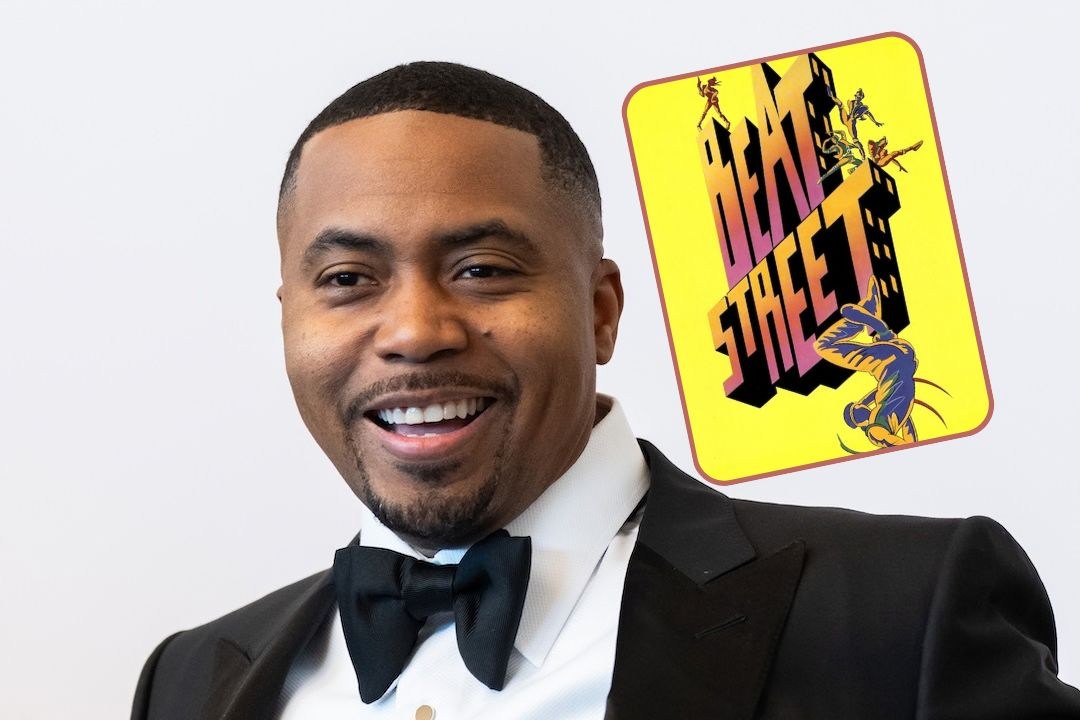
Picture the scene: Times Square, alive with its usual electric chaos, but amidst the neon lights that never sleep, a new rhythm emerges. One that carries the weight of history and the pulse of a movement. Nas, the Queensbridge legend, is bringing the iconic 1984 film "Beat Street" to Broadway. This isn’t just a musical; it’s Hip Hop staking its claim on the theatrical stage, a stage that’s been largely reserved for a different kind of storytelling.
Back in the day, "Beat Street" wasn’t just another flick; it was a cultural milestone. The film captured the essence of the streets, the battles, the breakdancing, and the beats that defined a generation. Now, Nas, a master storyteller in his own right, is transitioning that story from the screen to the stage, joined by a fresh creative team ready to inject it with new life. Nas is no stranger to celebrating Hip Hop’s roots, his Illmatic album is a testament to that. But this move to Broadway? That's a bold leap.
So why is Nas doing this? Simple. It’s about legacy and evolution. Hip Hop has always been about breaking barriers, about rewriting the rules. Nas understands this better than most. His career is a journey of transformation from the gritty realism of his early work to becoming a global voice that crosses cultural boundaries. Bringing "Beat Street" to Broadway is more than just a nod to the past; it’s a declaration that Hip Hop belongs in every forum, from the corner cipher to the grandest stages on Earth.
The buzz around Nas's "Beat Street" project isn’t just about nostalgia. It's about advancing the narrative. How often do we see stories from the streets getting the full Broadway treatment? Rarely. And when they do, it's usually watered down, sanitized for mainstream consumption. Nas’s involvement ensures authenticity. The culture trusts him to tell it like it is, raw and unfiltered.
Now, let's talk about the cultural significance of this project. Broadway has long been a bastion of predominantly Eurocentric stories. Even though we've seen some shifts, like the success of "Hamilton," which offered a diverse retelling of American history, Hip Hop's presence is still relatively low. Nas's project is a statement: the culture not only deserves a seat at the table, but it also deserves to host its own gathering. This move forces the industry to acknowledge Hip Hop as an art form worthy of such a prestigious platform.
Naturally, questions arise about how "Beat Street" will be adapted for the stage. The transition from film to theater can be tricky. Will it capture the same energy, the same urgency that defined the 1984 classic? Nas's creative team, including director, choreographer, and writers who understand the essence of the streets, are tasked with maintaining that authenticity while making it a spectacle that resonates with today's audiences.
Check out the original trailer for "Beat Street" below and imagine it reimagined for Broadway. The heart of the story remains, but the way it’ll unfold on stage promises to be something else entirely.
Here's where PVN sees the bigger picture. This isn’t just Nas flexing his creative muscles; it’s Hip Hop taking another step toward mainstream legitimacy. For decades, the culture has been marginalized and misunderstood, often dismissed as a passing fad. Projects like this reinforce that Hip Hop is here to stay and it's dynamic enough to evolve into any medium.
This project isn’t just about honoring the past; it’s about forging a future where Hip Hop stories are center stage on Broadway.
Let's talk legacy and impact. Nas is a trailblazer, regardless of the medium. His journey has always been rooted in the authenticity of the streets, and this venture is no different. It echoes the same historical significance as when artists like Run-DMC first merged Hip Hop with rock. These moments become benchmarks in cultural history, pushing Hip Hop further into the global consciousness.
From a business perspective, this is a savvy move. Broadway offers a new revenue stream for Hip Hop, diversifying the avenues through which the culture can generate wealth. It’s about time Hip Hop got its piece of the Broadway pie, especially considering the billions generated by the industry annually. Nas's move to the theater not only fills a cultural vacuum but also represents an economic opportunity for other artists to explore.
For the audience and the community, this adaptation of "Beat Street" serves as a mirror. It’s a reflection of the journey from underground to mainstream prominence. It challenges the stereotypical narratives often associated with Hip Hop, offering instead stories rich in depth, struggle, and triumph. It’s a call to remember where the culture came from while celebrating its potential to shape where it’s going.
What comes next? Success on Broadway could signal a new era, ushering in more opportunities for Hip Hop on stage. It's a call to other artists in the community to think beyond the music and explore different artistic expressions. Imagine a future where Hip Hop narratives regularly grace Broadway, telling stories that resonate with diverse audiences. That’s the dream Nas and his team are building.
As we watch Nas take Hip Hop to Broadway, it’s a cue for the industry to expand its horizons. The streets have spoken, and their stories deserve the spotlight. This isn’t just about honoring the past; it’s about forging a future where Hip Hop narratives are recognized as integral to the mix of American storytelling. So keep an eye on Times Square. Nas is about to make history again, one turntable spin at a time.