NBA Ben10 and OG 3Three Arrested in AllStar JR Shooting: What This Means for Detroit Rap
By Andre Coleman, PowerVault Staff In the early hours of a night that should have been about celebration, the city of Detroit found itself swallowed in chaos. Gunshots rang out, echoing off the cold concrete, as the s...
Advertisement

By Andre Coleman, PowerVault Staff
In the early hours of a night that should have been about celebration, the city of Detroit found itself swallowed in chaos. Gunshots rang out, echoing off the cold concrete, as the sounds of life were abruptly interrupted. This isn’t another tragic headline; it’s a chilling reminder of the streets’ grip on the rap game. The incident, which left Detroit rapper AllStar JR injured, has sent shockwaves through the community, and now, the arrest of NBA Ben10 and OG 3Three adds another layer to an already complicated narrative.
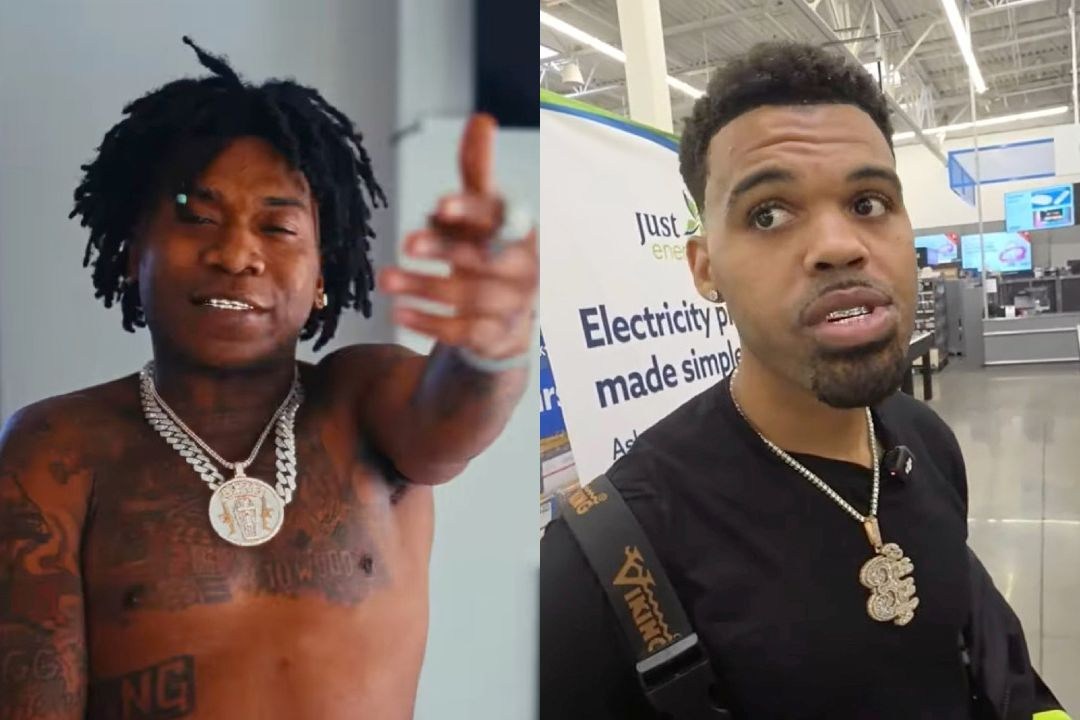
Reports indicate that NBA Ben10 and OG 3Three have been arrested in connection with the shooting that injured AllStar JR earlier this year. For those who might not be familiar, AllStar JR isn’t just another name in the Detroit rap scene. He represents a movement, a voice that has risen from the ashes of a city known for its resilience. But in this story, we see how violence snuffs out potential and how the streets can often overshadow talent.
Detroit's music scene has a rich history, saturated with both brilliance and pain. The Motor City has birthed legends from Eminem to Big Sean, yet it’s also a place where street politics and music often intertwine dangerously. The arrest of Ben10 and 3Three raises questions that go beyond just the incident. What does this mean for the future of Detroit rap? How does this reflect on the ongoing struggles artists face, both in their careers and in their daily lives?
Many rappers come up in environments rife with violence, and their music often serves as a diary of those experiences. But when violence becomes a narrative that overshadows their artistry, it leads to a cycle that's hard to break. Detroit has seen its share of rappers fall victim to gun violence, either by being shot themselves or by losing friends and collaborators to the streets. AllStar JR's situation is just another chapter in this tragic story.
But let’s dig deeper. The arrests of NBA Ben10 and OG 3Three might seem like a straightforward case of justice being served, but it’s much more layered than that. The legal system often targets artists in marginalized communities, using their status and pasts against them in ways that can seem more punitive than protective. It’s a reality many in the industry are aware of but often go unspoken. What of the systemic issues that lead to these arrests? What of the voices that get silenced in the aftermath?
When rappers become embroiled in violence, the industry often turns its back. This presents a dilemma for the culture. Should artists be held accountable for their connections to the streets, or are they merely products of their environment? The lines are blurred, and the community feels the fallout. The culture can’t keep losing its artists to violence; the stakes are too high.
Moreover, this isn’t just about two individuals getting arrested; it’s a reflection of the broader societal issues plaguing urban communities. Poverty, lack of educational opportunities, and systemic racism play crucial roles in creating the conditions that lead to violence. The frustration is palpable when rappers who should be thriving find themselves facing serious legal repercussions, potentially derailing their careers. What message does that send to upcoming artists who look to them as examples of success?
Those in Detroit's rap scene are well aware of these dynamics. They’ve seen friends get caught up in the streets, and they’ve seen the violence that often erupts around them. AllStar JR has earned his stripes and gained respect for his lyrical abilities, and yet, here he is, a casualty of circumstances that go far beyond an individual choice. The real question is whether there’s a path to breaking free from this cycle or if the culture will continue to be defined by violence.
The arrests of NBA Ben10 and OG 3Three spark another conversation around accountability in hip hop. Artists often boast about their street credibility and connections, but when it leads to life-altering situations like this, it raises eyebrows. Are they glorifying a life that comes with real consequences? How does the narrative shift when the artists themselves become part of the problem?
To many in the community, these arrests are a wake-up call. Detroit’s rap scene is vibrant, filled with talent that often goes unnoticed outside the region. But incidents like these can overshadow that talent, leading to a perception that defines the city by its violence rather than its creativity. In a time when artists are breaking barriers and creating new sounds, this isn't the narrative that should dominate the headlines.
The impact of such situations reaches beyond just the individuals involved. For every artist, there are families, friends, and fans who feel the ripples of these events. What does it mean for the culture when artists are forced to live under the threat of violence? How can the community support its artists while acknowledging the realities they face? The answers aren’t easy, but they’re necessary for any progress to be made.
Advertisement
The future of these artists, AllStar JR, NBA Ben10, and OG 3Three, now hangs in the balance. Each arrest breathes new life into the ongoing debate about hip hop's role in addressing violence. Do rappers owe it to their communities to stay clear of the street life that once defined their existence, or is that expectation unfair considering their backgrounds? The answers are subjective, but what's clear is that the conversation needs to evolve.
As the dust settles in the aftermath of these arrests, one has to wonder: what’s next for Detroit’s music scene? Can it rise above the violence and focus on the art? Or will it remain ensnared in the same patterns that have plagued so many before? The risks are high, but so is the potential for change. The community must rally together to create a supportive environment where artists can thrive without the looming specter of violence. This is a moment for reflection and action. The culture deserves to reclaim its narrative; it’s time for the voices of Detroit to be heard for their artistry instead of their tragedies.