NBA HBCU Classic 2027: What Tennessee State vs. Howard Means for Black Athletes
By Simone Walker, PowerVault Staff The bright lights of the Phoenix Convention Center illuminating a stage where history and future potential collide. The atmosphere buzzes with an electric sense of anticipation, a pa...
By Simone Walker, PowerVault Staff
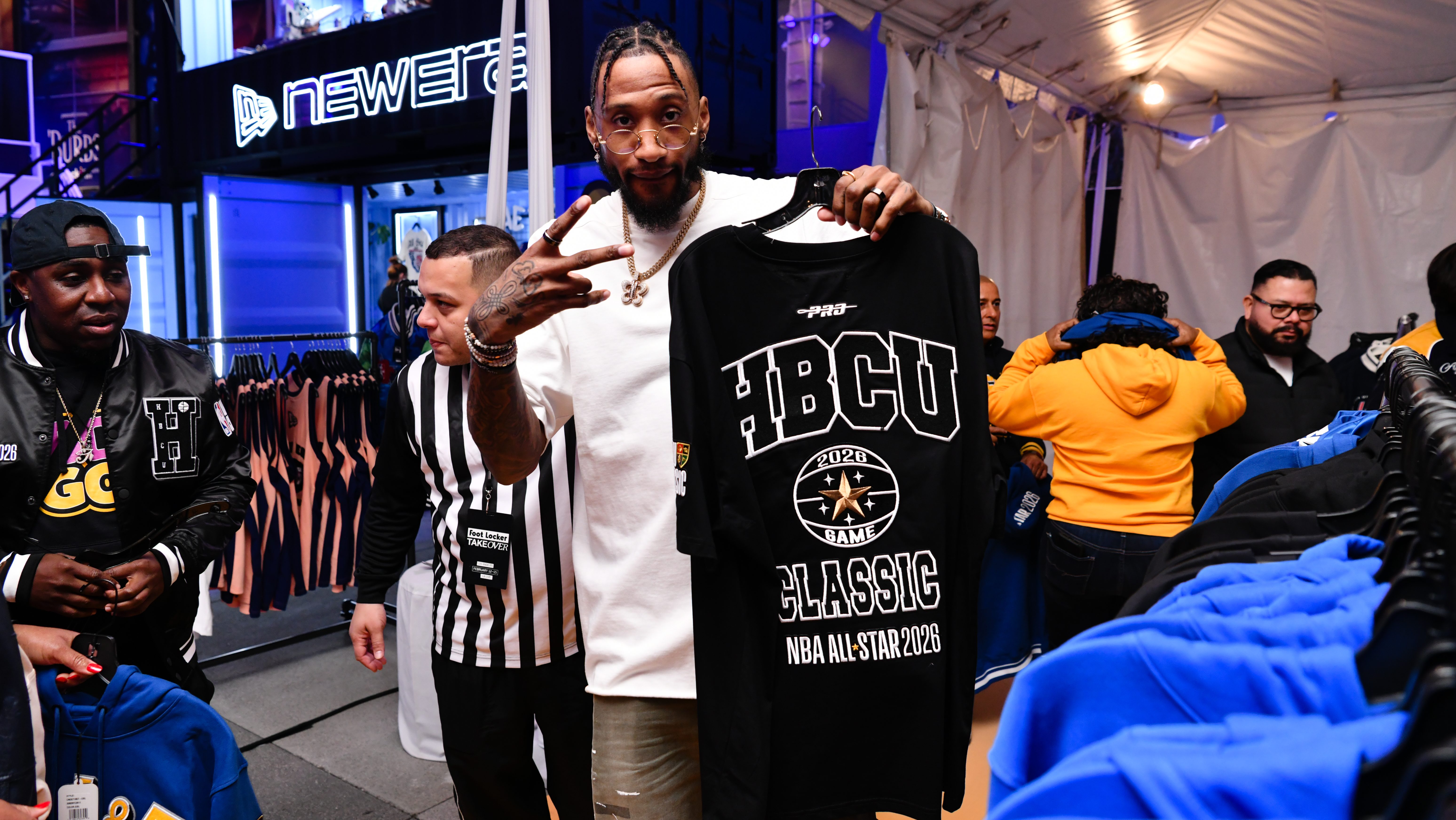
The bright lights of the Phoenix Convention Center illuminating a stage where history and future potential collide. The atmosphere buzzes with an electric sense of anticipation, a palpable excitement that hints at the momentousness of the occasion. This is more than any game; it's the NBA HBCU Classic, where Tennessee State and Howard University are set to showcase their talents. These two storied institutions are stepping onto this grand stage not just for the thrill of competition, but for something much deeper, representation, history, and culture. It's a chance to make a statement about the enduring impact of HBCUs and the indomitable spirit of Black athletes, whose legacies have long been woven into the fabric of American sports.
In a groundbreaking announcement reported by ESPN, Tennessee State will face off against Howard University at the 2027 NBA HBCU Classic during NBA All-Star Weekend. Set against the backdrop of one of the most prestigious events in basketball, this matchup is more than just a game. With former NBA player Robert Covington at the helm of Tennessee State's basketball program, this event becomes an audition, a proving ground for young Black athletes to showcase their immense talent on one of the biggest stages in the sport. This is an opportunity to elevate their profiles in front of NBA scouts and executives who might otherwise overlook them because they hail from lesser-known programs. It's a chance to rewrite narratives and claim a rightful place in the spotlight.
Covington, who has firsthand experience with the glitz and glamor of NBA All-Star Weekend, now occupies a pivotal role as chief men’s basketball officer at Tennessee State. His mission extends beyond mere mentorship; it’s about unveiling the broader scene of professional basketball to these young athletes. Covington's words resonate with authenticity, rooted in his own journey from the courts of an HBCU to the bright lights of the NBA. His presence and guidance show the importance of vision and perseverance. The video below captures the essence of his mission, highlighting the palpable excitement surrounding this event, proof of the potential of these athletes and the transformative power of representation.
Tennessee State, under the leadership of coach Nolan Smith, is not entering this spotlight unprepared. Since taking the reins in 2025, Smith has been methodical in his pursuit of this opportunity, understanding that exposure on such a grand scale is invaluable. His vision for his players extends beyond the immediate thrill of competition; he wants them to form connections with NBA luminaries during All-Star Weekend. His strategy is crystal clear: meet the people who can open doors, cultivate relationships that transcend the court, and build networks that could shape their futures. Smith's approach is about more than basketball; it's about preparing these young men for the layered challenges and opportunities that lie ahead.
On Howard's side, the influence of John Wall, who serves as the president of basketball operations, cannot be overstated. With the prowess of a five-time NBA All-Star, Wall brings a wealth of experience to guide these young athletes. His role transcends traditional coaching, embodying a mentorship model designed to uplift and inspire. This synergy between Wall and Smith is proof of the power of collaboration and shared vision. It's about creating a legacy of empowerment and opportunity, ensuring that these athletes not only dream big but have the tools and support to achieve those dreams. The video below delves deeper into their collaborative vision, offering a glimpse into the profound impact of their guidance.
This event isn't happening in a vacuum. The history of HBCUs in sports is a narrative of resilience and excellence, often overshadowed by larger Division I programs. Yet, HBCUs have been the cradle of some of the most iconic figures in sports history, athletes like Jerry Rice in the NFL and Earl Monroe in the NBA, whose legacies speak volumes about the talent nurtured within these institutions. Despite their undeniable contributions, recognition for HBCUs has been scant, often overshadowed by predominantly white institutions that dominate the media and recruiting landscapes. This event is a reminder of the rich heritage and enduring legacy of HBCUs, challenging the sports world to re-evaluate and appreciate the profound impact these schools have had in shaping the athletic and cultural scene.
So here's the rub: the NBA HBCU Classic is more than just a game; it's a platform challenging an industry to recognize and uplift Black talent.
The NBA HBCU Classic is more than just a game; it's a platform challenging an industry to recognize and uplift Black talent.
For the players, this is about more than just showcasing their skills. It's a turning point for visibility, a chance to be seen by NBA scouts and audiences who might overlook them simply because they hail from schools that aren't typically in the national spotlight. This exposure is a game-changer, with the potential to alter the trajectory of their careers and open doors that were previously closed. It's an opportunity to prove that talent and potential aren't confined to big-name programs. By stepping onto this stage, these athletes are challenging preconceived notions and redefining what it means to be a basketball player from an HBCU, paving the way for future generations to follow in their footsteps.
In the larger context of the sports industry, the Classic represents a challenge to the status quo. It’s a bold assertion that talent knows no boundaries and that Black athletes deserve the same spotlight and opportunities as their peers from more prominent programs. This event is a call to action for the NBA and other sports leagues to invest more substantially in HBCUs, recognizing the untapped potential that resides within these institutions. It's about dismantling barriers and creating pathways for success, ensuring that the next generation of Black athletes can thrive in an environment that celebrates diversity and inclusivity. The Classic is a statement that the time for change is now, urging the sports world to embrace a more equitable future.
For the wider community, this matchup is a celebration of Black excellence, a moment that reinforces pride in our institutions and the profound legacy of HBCU culture. It's an opportunity to see our schools on a national stage, reminding everyone that we produce greatness, not just on the court but in every aspect of life. This isn’t just about basketball; it’s about cultural impact. It's a reminder that HBCUs have been at the forefront of cultivating talent and leadership, providing a nurturing environment where Black students can thrive academically, socially, and athletically. This event is proof of the enduring strength and resilience of our communities, a celebration of our achievements and our boundless potential.
The politics of race and class are woven into the fabric of this event. Historically, Black colleges have faced systemic underfunding and marginalization, often struggling for the resources and recognition that their predominantly white counterparts receive. The NBA HBCU Classic is not just a game; it’s a powerful rebuke to those systemic inequities, a chance to rewrite narratives and demand equity in sports representation. It's about shining a light on the disparities that persist and advocating for meaningful change. By elevating HBCUs to a national stage, the Classic challenges the sports industry to confront its biases and work towards a future where all athletes have the opportunity to succeed, regardless of their background.
As we look ahead, this Classic sets the stage for future collaborations between HBCUs and professional leagues. It challenges us to imagine what full investment in these institutions might look like, envisioning a world where Black talent is celebrated, nurtured, and elevated without reservation. Whether you’re on the court or cheering from the sidelines, this is a moment to savor, to respect, and to build upon. It's an invitation to dream bigger, to push the boundaries of what's possible, and to create a sports scene that truly reflects the diversity and dynamism of our society. This Classic is more than a game; it's a movement towards a brighter, more inclusive future for all athletes.