Nicole Jordan Makes History as Philadelphia Orchestra's First Black Woman Principal Librarian — Here’s What It Means for the Culture
By Marcus Ellison, PowerVault Staff On June 16, 2020, the Philadelphia Orchestra made history in a way that resonated deeply within the Black community. Nicole Jordan was appointed as the orchestra's principal librari...
Advertisement

By Marcus Ellison, PowerVault Staff
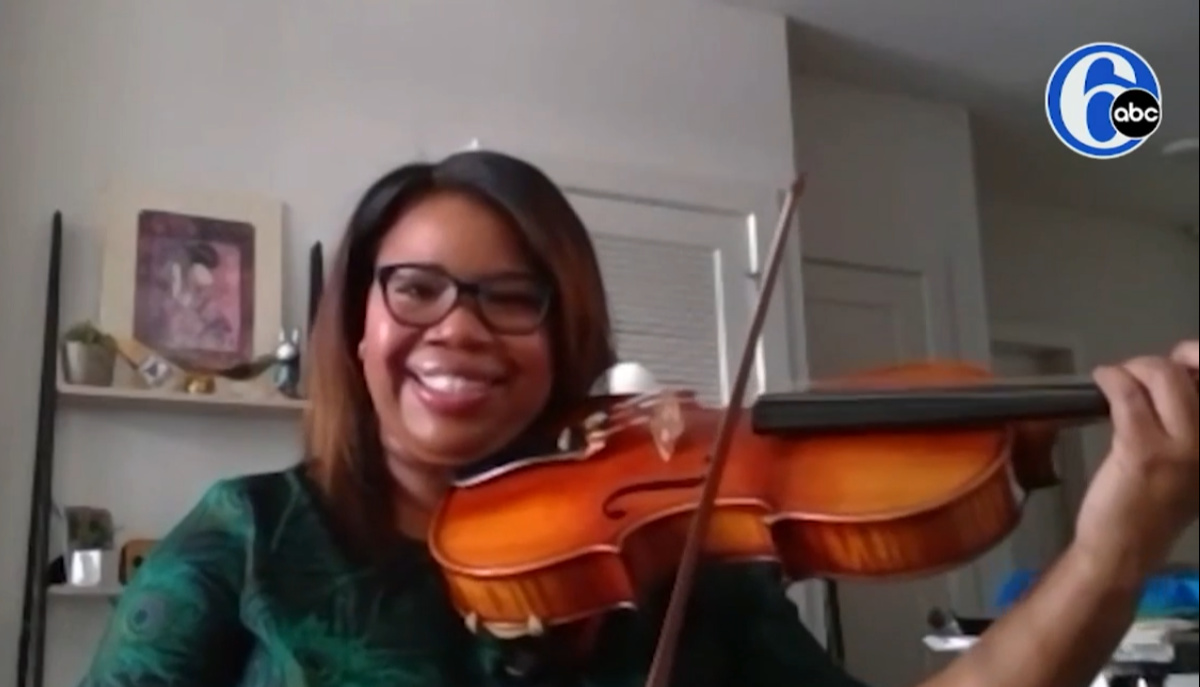
On June 16, 2020, the Philadelphia Orchestra made history in a way that resonated deeply within the Black community. Nicole Jordan was appointed as the orchestra's principal librarian, a position she rightly earned after years of dedication and passion. This was no ordinary announcement; it was a cultural milestone, marking the first time a Black woman would hold a full-time position with this venerable institution since its founding 120 years ago. As the orchestra prepared to welcome her into this pivotal role, the moment felt charged with significance, making it clear that the winds of change are blowing strong.
Jordan's responsibilities include maintaining the orchestra's archives and preparing the scores for performances, a vital role that provides the backbone for the music we hear. This is important work that has often gone unnoticed, but it is essential to the fabric of orchestral performance. Behind every concert, every symphony, every beautiful note, there is someone like Jordan ensuring that everything runs smoothly. And now, for the first time, a Black woman is stepping into that role, breaking barriers and setting the stage for future generations.
While it is easy to celebrate Jordan’s accomplishment as just another feel-good story of representation, it begs the question: why has it taken so long for a Black woman to occupy such a critical position in an esteemed orchestra? The Philadelphia Orchestra boasts a rich history, having played a vital role in the world of classical music, yet its diversity has often been a glaring oversight. Does this not point to a wider issue in the classical music world, where Black and Brown faces have been historically marginalized?
In a society that prides itself on progress, Jordan's elevation to principal librarian serves as a stark reminder of the slow-moving gears of institutional change. The classical music scene has long been dominated by European aesthetics, leaving little room for the diverse musical traditions that exist within the Black community. This lack of inclusivity is more than just an oversight; it feeds into a larger narrative of systemic racism, one that is replete with assumptions about who belongs in spaces of prestige.
One cannot overlook the impact of Jordan's groundbreaking role on aspiring musicians and professionals. Young Black girls with dreams of entering classical music might have previously felt alienated, wondering if they could ever see themselves reflected in such a prestigious institution. But with Jordan at the helm, they can envision a path forward. Her presence is a powerful reminder that dreams are possible, and barriers can be shattered. At this moment, it’s essential to not just uplift her story but to amplify the voices of those who have yet to be heard in spaces like this.
Moreover, representation matters not only for those trying to break into the field but also for audiences. The Philadelphia Orchestra is renowned for its performances, but what music is represented? How do these selections reflect a myriad of cultural histories? With leaders like Jordan in key positions, perhaps we can finally begin to see programming that celebrates a wider array of musical traditions and artists, ultimately enriching the experience for all listeners.
Jordan's appointment is not just a personal victory; it signifies a cultural shift that many have long awaited. It serves as a beacon of hope for those who have felt overlooked in creative spaces and provides a platform for conversations about diversity that have been long overdue. Her journey from local musician to principal librarian is a testament to hard work and determination, and in the eyes of many, she is paving the way for countless others.
But let’s be real: this moment is just a starting point. While it is exhilarating to witness this step forward, the classical music industry must now take a hard look at its practices. For every Nicole Jordan who breaks through, how many potential talents remain overlooked? How many are discouraged from entering a field that has sent a clear message that they are not welcome? The challenge is laid bare; it is up to institutions like the Philadelphia Orchestra to ensure they are not a one-and-done story.
Jordan herself has emphasized her love for the work she does, stating, 'I just set out to kind of do what I love.' But we must also acknowledge the monumental effort it takes to carve such a space out for oneself within a historically exclusionary framework. As a society, we cannot simply celebrate her win; we must also commit to a future where stories like hers are not anomalies but the norm.
The Philadelphia Orchestra's decision to hire Jordan could be the catalyst for a broader conversation about diversity and inclusivity in the classical music world. Will this lead to a reconsideration of hiring practices? Will other orchestras take a cue and reevaluate the barriers that remain? This is a moment for reflection, not just celebration.
Advertisement
As we move forward, the question now is what comes next. With Jordan at the forefront, there is potential for meaningful change, but it takes collective effort. It is imperative that audiences demand more from institutions , more diversity, more representation, and more acknowledgment of the contributions from Black artists. The classical music community needs to engage in a brave dialogue about its past while simultaneously creating an inclusive space for the future.
Nicole Jordan's groundbreaking role as principal librarian of the Philadelphia Orchestra is more than just a history-making moment; it is a call to action. It challenges the music world to rethink its traditions and welcomes voices from all backgrounds into the fold. As this narrative unfolds, let’s not just sit back and watch; let’s get involved, support the movement, and ensure that the arts reflect the diverse society we live in. The time for change is now, and with figures like Nicole leading the way, there is hope that the music will play on, louder and prouder than ever before.