Nino Paid and Warhol.SS Arrested: The Story Behind Murder Charges
By Renee Fontaine, PowerVault Staff The quiet streets of Atlanta have once again been disturbed by a story that reads more like a movie script than reality. Just before dusk, the familiar hum of the city was violently...
By Renee Fontaine, PowerVault Staff
The quiet streets of Atlanta have once again been disturbed by a story that reads more like a movie script than reality. Just before dusk, the familiar hum of the city was violently interrupted by gunfire near Old Fourth Ward, a neighborhood with deep roots in Atlanta's history, now confronted with the harsh truths of urban life. As the police tape fluttered in the wind, whispers of a deadly encounter began to circulate, igniting a narrative that would soon capture the attention of both locals and the wider world, leaving a community grappling with the aftermath.
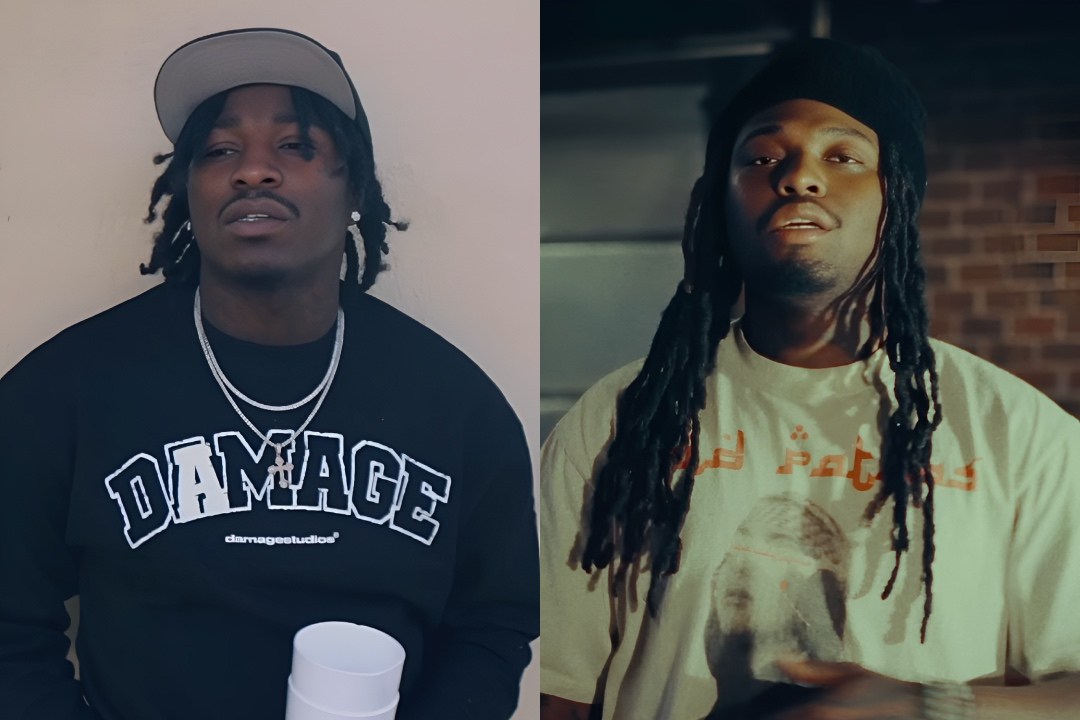
Nino Paid, whose real name is Jacquawn Andrews, and Warhol.SS, born Zahair Myles, are the two key figures in this unfolding situation, and their names are now synonymous with a crime that has rattled Atlanta and beyond. They face a slew of severe charges including murder, armed robbery, and aggravated assault, as confirmed by XXL. The incident that took place on April 25 led to the tragic death of a 29-year-old man found with multiple gunshot wounds. Despite the best efforts of medical professionals, the victim succumbed to his injuries in the hospital, marking the end of a life and the beginning of a complex legal saga.
Nino Paid's arrest was nothing short of dramatic, involving a cross-border pursuit that adds another layer to this already tangled story. He was apprehended by U.S. Border Patrol while attempting to cross back into the United States from Canada on September 1. Initially detained in Michigan's Wayne County Jail, his recent extradition to Atlanta brings him face-to-face with the serious charges against him. This high-stakes game of cat and mouse only intensifies the narrative surrounding this case, drawing attention from both media and the public, eager to see how justice will unfold for a man whose artistic persona now clashes with accusations of real-world violence.
Warhol.SS, on the other hand, took a markedly different approach to his legal predicament. Opting to turn himself in to authorities on September 14, he now faces an array of charges, including felony murder, criminal attempt to commit a felony, armed robbery, and aggravated assault. Both artists are currently held without bond, a decision that shows the severity of the allegations and leaves their fans and the broader community struggling to comprehend the weight of the situation. Their detainment serves as a stark reminder of the potential consequences of actions that blur the line between art and reality, leaving many to wonder about the future of these once-promising careers.
The charges stem from a shooting incident on April 25, where the Atlanta Police Department responded to reports of a person shot, igniting an investigation that has yet to uncover a clear motive. Despite their efforts, the identity of the victim remains undisclosed, adding another layer of mystery to an already complex case. Authorities have connected Zahair Myles and Jacquawn Andrews to the crime, a link that has reverberated throughout the music industry and beyond. As the community awaits further developments, the lack of clear answers only fuels speculation and concern among fans and observers alike, all seeking to understand the true nature of the events that transpired.
This situation echoes a recurring theme in hip-hop, where real-life violence intersects with the art form's longstanding narrative of struggle and survival. Back in 1996, Tupac Shakur's tragic death sparked an intense conversation about the dangerous ties between rap lyrics and the streets they depict. Fast forward to today, and the murders of artists like XXXTentacion and Nipsey Hussle have continued to highlight the risks that come with the territory. The question remains: when does art imitate life, and when does it cross a line? This ongoing struggle between artistic expression and real-world consequences challenges both artists and fans to consider the impact of the messages they convey and consume.
This is hip-hop's complex and challenging paradox.
This incident highlights the stark clash between hip-hop's gritty storytelling and the all-too-real violence that sometimes mirrors it.
For the individuals involved, the stakes couldn't be higher. Careers, reputations, and freedom hang in the balance, creating a tense atmosphere around the entire situation. In a genre where street credibility is often intertwined with artistic authenticity, artists like Nino and Warhol find themselves in a precarious position. The charges against them threaten not only their future in the industry but also the narratives they've painstakingly crafted around their personas. This case serves as a harsh reminder that the line between fiction and reality in hip-hop can sometimes blur with devastating consequences, leaving both artists and audiences to grapple with the fallout of choices made in the heat of the moment.
The industry's response to such incidents is complex and often fraught with contradictions. While labels eagerly capitalize on the gritty stories of struggle and survival that artists bring to the table, they are quick to distance themselves when real-life violence surfaces. This incident highlights the stark clash between hip-hop's gritty storytelling and the all-too-real violence that sometimes mirrors it. The music industry now faces the daunting task of finding a balance between artistry and the real-world implications of the narratives it promotes. As these stories unfold, the challenge lies in handling the fine line between artistic freedom and the responsibility that comes with it.
For the community and fans, these developments are both a reflection and a reinforcement of a cycle that is hard to break. The allure of the lifestyle depicted in lyrics is compelling, often romanticizing a world that is far grimmer in reality. It's crucial for fans to discern between the art they're consuming and the lives these artists lead, recognizing the potential for art to influence behavior. As questions linger about the role of hip-hop in perpetuating or challenging societal norms, one thing is clear: the community must grapple with its part in the storytelling of struggle and its impact on young, impressionable minds, ensuring that the culture evolves in a positive direction.