Nolan Wells' Death: What Deleted Messages Reveal About His Final Hours
By Marcus Ellison, PowerVault Staff The sun was setting on July 4th as the boat carrying Nolan Wells and his friends drifted towards Horn Island, Mississippi. This holiday trip, meant to be a carefree celebration, ins...
By Marcus Ellison, PowerVault Staff
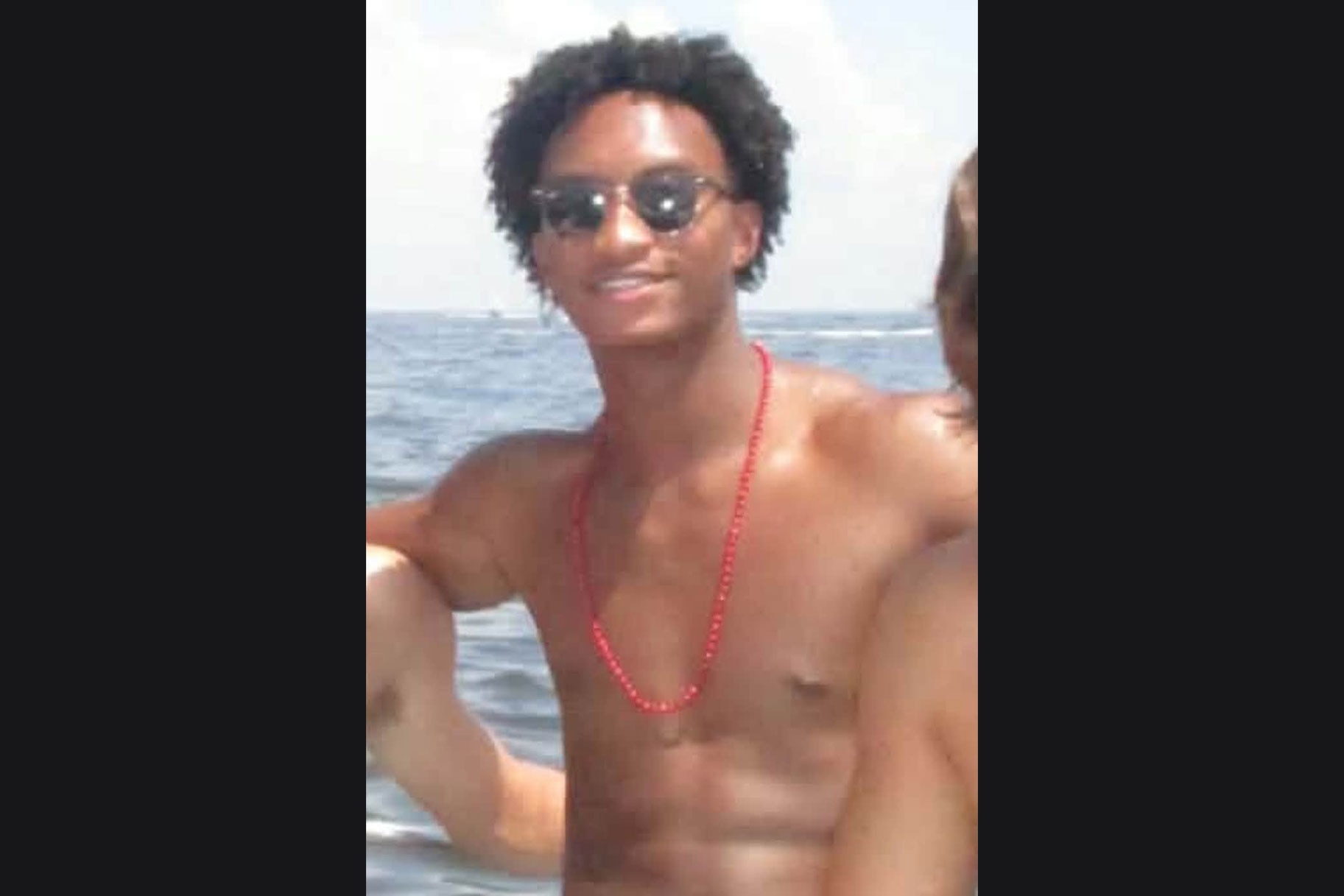
The sun was setting on July 4th as the boat carrying Nolan Wells and his friends drifted towards Horn Island, Mississippi. This holiday trip, meant to be a carefree celebration, instead marked the beginning of a haunting mystery. Nolan, an 18-year-old Ocean Springs High School graduate with a promising future, never returned from this outing. It wasn't until two days later that his lifeless body was discovered, sparking a controversial investigation. This case would soon become a high-profile example of how issues of race, justice, and truth intertwine in tragic circumstances. With each passing day, questions continued to mount about the true nature of Nolan's death.
Nolan Wells was a promising young man, a wide receiver with a future that seemed as bright as his smile. His untimely death, first reported by TMZ and corroborated by several outlets, left his family and the community reeling and demanding answers. This promising athlete, known for his sportsmanship and academic achievements, had his life cut short under mysterious conditions. While a Mississippi grand jury deemed the death consistent with drowning, two medical examiners left the cause undetermined, highlighting the case's complexity. As the investigation unfolded, the tension between these differing conclusions kept the case teetering on the edge of resolution and suspicion, leaving the family and community in a state of disbelief.
At the heart of the murky details surrounding Nolan's death are deleted messages from his phone, recovered by his family and turned over to forensic experts. According to a 292-page analysis by Garrett Discovery, Nolan's friends were quick to strategize how to talk to the police once he was reported missing. These texts, released publicly and verified by PEOPLE, indicate a level of fear and meticulous planning unusual for a group of teenagers whose friend had just vanished. The forensic analysis revealed that discussions focused on aligning their stories and seeking legal counsel, suggesting an underlying apprehension about the forthcoming police inquiry. This calculated approach by his peers puts a spotlight on what they knew and why they felt the need to prepare so thoroughly.
The analysis uncovered that Nolan's friends discussed sticking to their stories and asking for attorneys before speaking with authorities. One friend even advised others to avoid speculating, warning that the police could use their words against them. The implication of these texts is clear: they were concerned about being scrutinized by law enforcement, yet the reasons behind their fear remain elusive, feeding into the family's belief that there is more to the story. This preemptive measure by teenagers, amid the disappearance of their friend, reflects an acute awareness of the gravity of the situation. The family's interpretation of these actions implies a belief that the friends were concealing critical information, further complicating the narrative of Nolan's final hours.
Adding to the complexity is the racial dynamic. Nolan, a Black teenager, found himself in a predominantly White friend group. Social media speculation and accusations of cover-up were palpable, illustrating the tensions between the narrative being constructed and the racial undertones simmering beneath. This is more than a tragic loss but a potentially racially charged incident, echoing the national spotlight on deaths involving young Black men under suspicious circumstances. The racial undertones of this case are emblematic of broader societal issues, where racial bias and systemic inequalities often influence how justice is served. The public's perception of these dynamics adds another layer to an already convoluted case, amplifying the family's call for transparency and accountability.
Nolan's parents, Christine Wells-Wonsley and Elmore Wonsley, are not standing down. Represented by civil rights attorney Ben Crump, they have called for federal investigations, reminiscent of other contested deaths where justice seemed elusive. This case sits squarely alongside stories like Tasia Fortune's tragic death and their unresolved inquiries. By releasing these messages, the Wells family is not just fighting for justice but for the truth buried under layers of silence and ambiguity. Their push for federal involvement shows their lack of faith in local authorities, highlighting a systemic distrust that often accompanies cases involving racial dynamics. This pursuit is not just about Nolan but also about challenging a system perceived to be rife with inequities.
Why was Nolan's phone still on the boat if he intended to leave? This question, along with others that swirl around the case, turns the investigation from a straightforward inquiry into a labyrinth of unanswered questions.
The forensic phone analysis paints a picture of confusion, fear, and suspicion among Nolan's friends, who felt the weight of being examined under a racial and social microscope.
The forensic phone analysis paints a picture of confusion, fear, and suspicion among Nolan's friends, who felt the weight of being examined under a racial and social microscope. Their expressions of grief and support for his family contrast sharply with their strategic conversations about handling police questioning, highlighting a schism between personal loss and public scrutiny. This duality captures the intricate dynamics at play, where genuine emotional turmoil coexists with a calculated approach to handling potential legal pitfalls. The friends' behavior, as documented in these messages, puts a spotlight on the balance between protecting oneself and honoring the truth, leaving the family and the public grappling with a narrative that remains incomplete and unsettling.
For the justice system, this case is yet another test of its ability to handle cases involving racial dynamics without bias. When grand juries opt not to indict despite conflicting reports from medical experts, it puts a spotlight on the processes and criteria used to determine such outcomes. The disparities between the grand jury decision and the medical findings suggest systemic issues that go beyond this single case. These discrepancies call attention to the broader challenges of ensuring impartiality and transparency within a legal framework that is often criticized for its handling of cases involving racial minorities. The decisions made in this case could set precedents for how similar cases are approached, underscoring the need for systemic reform and accountability.
The community and the audience reading about Nolan's story are caught in a web of emotion and skepticism. On one hand, there is the heartbreak of losing a young life; on the other, there is suspicion about what truly happened on that fateful day. The deleted messages, while providing a glimpse into the friends' minds, ultimately remain fragments of a larger puzzle that continues to elude completion. This duality reflects the broader societal struggle to reconcile emotional responses with the demand for factual clarity. As the narrative unfolds, people are left questioning not only the details of Nolan's death but also the underlying issues of race, privilege, and justice that have come to define this tragic case.
Beneath the surface of Nolan Wells' death lies the unavoidable interplay of race and social class. The fact that this happened with a predominantly White group of friends in Mississippi, a state with a fraught racial history, cannot be dismissed. These dynamics shape not just public perception but the investigation itself, making it a reflection of broader societal issues that need addressing. The historical context of racial tension in Mississippi adds a layer of complexity to the case, influencing how narratives are constructed and received. This backdrop is a reminder that incidents such as Nolan's are not isolated but part of a larger pattern of racialized experiences that continue to challenge social progress.
As Nolan's family pushes for federal oversight and the truth remains cloaked in uncertainty, what happens next is critical. With the potential for an FBI investigation, there might be hope for answers. But this case also serves as a stark reminder of the complex layers within the justice system and the countless untold stories of those whose lives are caught at this intersection. The push for truth and justice continues, and with it, the challenge to question and understand what truly went wrong. This pursuit demands not only answers about Nolan's death but also a broader examination of the systemic factors that allow such tragedies to persist.