Pastor Israel Ford's Polygynous Marriage: The Unconventional Family Sparking Debate
By DeShawn Price, PowerVault Staff In Cleveland, Pastor Israel Ford of LifeWorks Church is shaking up the traditional church scene with his polygynous marriage setup, a topic currently lighting up social media. The pa...
Advertisement

By DeShawn Price, PowerVault Staff
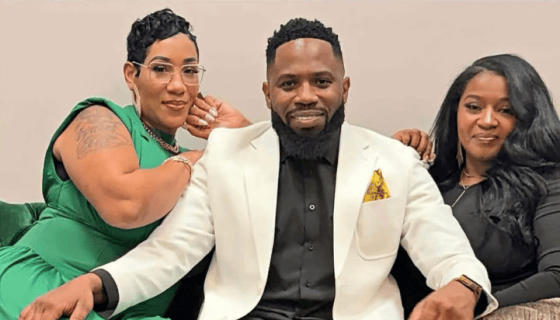
In Cleveland, Pastor Israel Ford of LifeWorks Church is shaking up the traditional church scene with his polygynous marriage setup, a topic currently lighting up social media. The pastor, who went viral when his first wife, Pastor Lydia Ford, introduced his second wife, Minister Shakayla Ford, to their congregation, is now hinting at the prospect of adding a third wife. This candid revelation unfolded during an interview on Larry Reid Live, turning more than just a few heads. The interview gave viewers an inside look into the Ford family’s unconventional dynamic, sparking intense debate online and drawing both criticism and curiosity from those intrigued by their unique interpretation of marriage and faith.
The family appeared on the show to discuss their unique marital dynamic, where Pastor Israel Ford explained why he might consider a third wife but draws the line at his current spouses having additional husbands. This conversation follows a controversial church service on October 25, where Lydia publicly acknowledged Shakayla as her 'sister in marriage.' The moment rattled the congregation and beyond, with many questioning the interpretation of religious texts that would allow such an arrangement. Their appearance on Larry Reid Live dives deep into the complexities of jealousy, faith, and family finances, inviting both criticism and curiosity from viewers who are grappling with the implications of such a marriage in modern-day religious communities.
During the interview, Pastor Israel outlined how his relationship with Shakayla evolved from her being his 'spiritual daughter' to his wife. Shakayla joined LifeWorks Church in 2018 and grew close to Israel and Lydia, especially while helping Lydia recover from surgery. Both wives spoke frankly about the challenges and insecurities accompanying this non-traditional setup, acknowledging the emotional and spiritual hurdles they've faced. A clip of the interview, which has racked up significant views, captures Israel's bold assertion that if 'either woman wanted another man, they could discuss separating.' This statement shows the patriarchal framework in which their relationship operates, igniting further conversation about autonomy and power dynamics within this marriage.
As seen in the clip, Pastor Israel doesn’t mince words about the boundaries in his household. He explains the arrangement as something agreed upon mutually, emphasizing that any addition to their family would need consensus from his current wives. This candid admission has sparked debates online, with some applauding the honesty while others question the ethical and spiritual implications. The transparency with which Israel addresses these issues is rare, yet it raises critical questions about the balance of power and consent in such relationships. How does one reconcile personal beliefs with the expectations of a broader community that may not share the same views on marriage and partnership?
Reflecting on the dynamics of polygamous relationships, it's important to recognize how Pastor Israel's story ties into broader societal trends. While polygamy isn't mainstream in the U.S., it does exist at the fringes of various religious communities. Historically, polygamy has roots in many cultures and religions, often endorsed by leaders for economic and social reasons. In modern society, the discussion around polygamy includes legal, ethical, and personal freedom dimensions. The complexities of these relationships often challenge conventional norms, pushing us to reconsider the boundaries of marriage and the ways in which personal beliefs intersect with cultural and societal expectations.
This isn’t Pastor Ford's first brush with controversy. His journey from spiritual leader to polygamous husband echoes past religious figures who've entered similar arrangements. Back in the mid-2000s, we saw Warren Jeffs of the Fundamentalist Church of Jesus Christ of Latter-Day Saints make headlines for his polygamous practices, raising questions about power and consent within these structures. Ford's story, while rooted in a different cultural context, prompts similar concerns about the potential for misuse of spiritual authority and the ethical implications of such relationships. The parallels between these stories highlight ongoing debates about the role of religion in justifying non-traditional marital arrangements.
Pastor Israel's tale is more than just a personal choice, it's a reflection of how interpretations of scripture can be molded to fit personal desires. While some see a distorted biblical interpretation, others call it a power move in patriarchal clothing. And let's not ignore the agency of the women involved, are they active participants or subtly coerced?
While some see a distorted biblical interpretation, others call it a power move in patriarchal clothing.
For Pastor Ford, this marriage model is about spiritual fulfillment and proof of his faith. Yet, for many in the Black community watching from afar, it prompts a heavier discussion. What does this mean for gender roles in our communities? And more broadly, what does it say about the narratives we're willing to accept under the guise of religious tradition? The Ford family's choices challenge traditional views, encouraging a reevaluation of the ways in which religion and cultural norms shape our understanding of marriage. As these conversations unfold, they offer an opportunity to explore how faith can both support and complicate personal and community values.
The reality is that Pastor Israel’s setup touches on familiar themes within religious and Black communities, where church leadership still often tilts towards male dominance. This situation contrasts starkly with the narratives of Black love and partnership that many strive for, where equality and mutual respect reign. The tension between these ideals and the Ford family's reality highlights the complexities of handling personal beliefs within a community context. It raises critical questions about the future of gender equality in religious spaces and the ways in which traditional structures can be reimagined to better reflect the values of equality and respect that many aspire to uphold.
Then there's the community angle. To some extent, the Ford family’s public airing of their personal lives mirrors what we see unfold in reality TV, a spectacle where private matters become fodder for public consumption. How do these portrayals shape our understanding of marriage and family, especially when influenced by religious overtones? The Ford family, whether intentionally or not, has become part of a larger narrative that examines the intersection of faith, media, and personal choice. This exposure prompts a deeper consideration of how media representations influence societal norms and the potential impacts on individual and community perceptions of marriage.
Advertisement
The implications of this story stretch beyond LifeWorks Church. As the Fords continue their public journey, they're opening the floor for a broader discourse on alternative relationship models and church dynamics. But in doing so, they also put a spotlight on the potential harm of unilateral decision-making masked as divine guidance. A complicated conversation about power, consent, and transparency in relationships, whether monogamous or not, is long overdue. By sharing their story, the Fords invite a reevaluation of traditional norms and encourage a more inclusive dialogue about the diverse ways in which love and partnership can be expressed within and beyond religious contexts.
Looking ahead, how will Pastor Israel and his family handle their newfound spotlight? The public has questions, and the Ford family’s next steps might unwittingly become an unplanned social experiment. Love them or loathe them, the Fords have certainly given us a lot to think about, and for some, it might just change how we view marriage within religious contexts. As they continue to share their journey, they challenge us to reconsider our assumptions about marriage, faith, and the ways in which personal and public narratives intersect. Their story is a reminder of the complexities of love and the ongoing evolution of cultural and religious norms.