Playboi Carti and Lucki Brawl: What Sparked This Rap Feud?
By Marcus Ellison, PowerVault Staff It was chaos outside the Los Angeles Convention Center, a scene straight out of a Hollywood action flick. The usual fanfare of ComplexCon, with its vibrant buzz of streetwear and sn...
By Marcus Ellison, PowerVault Staff
It was chaos outside the Los Angeles Convention Center, a scene straight out of a Hollywood action flick. The usual fanfare of ComplexCon, with its vibrant buzz of streetwear and sneaker drops, was shattered, giving way to a raw, unfiltered melee. Bodies clashed, fists flew, and the energy was electric, a moment frozen in adrenaline and sheer pandemonium. In the heart of this storm were the entourages of Playboi Carti and Lucki, two camps notorious for backing their artists to the hilt, never backing down from confrontation. This is more than another day in the culture; it was a stark reminder of how quickly things can spiral when egos and tensions collide in a space supposed to celebrate unity and creativity.
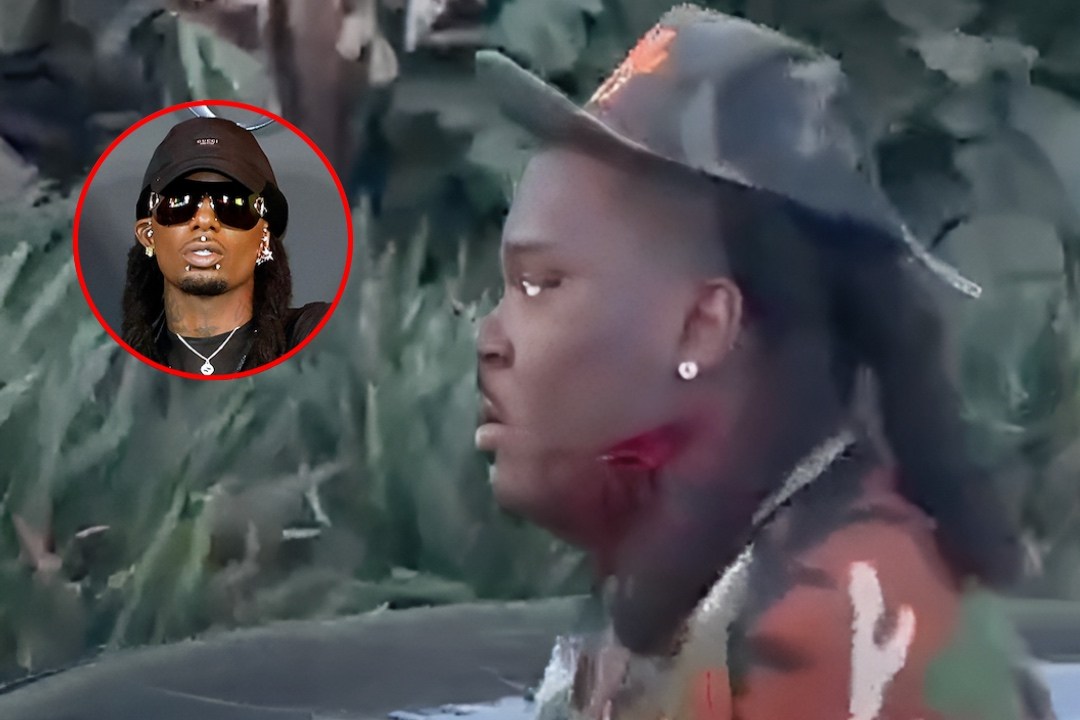
Reports from XXL make it clear: this wasn’t just a random skirmish in the parking lot. This was a full-blown eruption, fueled by deep-rooted beef between Lucki and Destroy Lonely, a rising star from Carti’s Opium label that's been making waves. Video footage from the scene showed Carti lurking from a nearby car, seemingly detached yet very much aware of the chaos unfolding. Meanwhile, Lucki was left with what looked like a serious neck wound, a grim testament to the intensity of the altercation. Four people reportedly suffered stab wounds during the brawl, pushing it well beyond the realm of a minor scuffle. This all went down on October 3, casting a shadow over one of the industry's most important cultural gatherings, ComplexCon.
Details started trickling out in the aftermath, painting a vivid picture of the chaos that ensued. A witness claimed the sparks ignited when Destroy Lonely and Lucki found themselves in a heated exchange, their argument quickly escalating when Destroy swung a punch. This act set off a chain reaction, with both camps diving into the fray, fists and blades flying. Video clips captured the harrowing moment Lucki, bloodied and visibly shaken, was ushered into a car, a stark reminder of the physical stakes these artists handle in their careers. This wasn’t just about music; it was a visceral confrontation, a moment that turned words into wounds. The clip that set everything off is below, capturing the raw, uncut reality of the moment.
The history of Lucki and Destroy Lonely's beef traces back to the summer of 2024, yet it's a tale as old as hip hop itself. It all started, as many of these feuds do, with relationship drama involving Lonely's ex-girlfriend, injecting a personal edge into their professional rivalry. Tensions rose further when Lonely's lyrics took aim at some of Lucki’s favorite rappers, a clear and deliberate shot across the bow. Lucki, never one to back down from a lyrical challenge, retaliated by questioning Lonely’s credibility and his ties to the Opium label, adding fuel to the fire. This is hip hop’s eternal narrative: pride, reputation, and loyalty, where words are weapons and every line and verse can escalate into something much more dangerous.
Destroy Lonely's punch was just one beat in a longer symphony of discord, a crescendo in a feud that had been simmering for months. Their spat wasn’t just a clash of egos; it was a battle for respect, with subliminal and direct shots flying back and forth, each adding layer upon layer to the drama. The tension was palpable, each diss track and social media post feeding the flames of their feud. The video below captures more of this escalation, offering a glimpse into the chaos that unfolded. It's a stark reminder of how quickly words can turn into actions, how quickly a disagreement can morph into a full-blown physical confrontation, blurring the lines between the art and the artist's reality.
This isn’t the first time rap beef has exploded into violence, and it likely won’t be the last. Remember the infamous East Coast-West Coast feud of the '90s, a legendary clash that tragically ended with the deaths of Tupac Shakur and The Notorious B.I.G., two of hip hop's greatest icons. More recently, we’ve witnessed public battles like Chris Brown and Diamond Brown's explosive public feud, where digital jabs threatened to spill over into physical altercations. These conflicts often begin with lyrical barbs and bravado but too often end in real-world violence, a harsh reality in the industry. History has shown us that when lyrical battles spill into the streets, the results can be deadly, leaving a lasting stain on the culture.
Rappers have long walked this line between entertainment and reality, where the bravado can turn all too real.
At a time when hip hop thrives on competition, this feud between Lucki and Destroy Lonely shows the thin line between art and real-life conflict.
The Playboi Carti and Lucki saga shows a troubling trend of violence in hip hop, a genre long romanticized for its rawness and authenticity. For Lucki, who’s carved out a niche with his introspective and sometimes melancholic sound, this brawl represents a stark contrast to the vibe he usually channels through his music. For Destroy Lonely, this altercation is a test of how far he’s willing to push boundaries to prove his point and solidify his place in the game. The industry loves a good rivalry, thrives on the tension and drama, but not when it turns bloody and real lives are on the line. What’s the cost of proving one's worth in this climate, where the stakes are all too real?
For the industry, this raises hard questions about the culture it cultivates, a culture often steeped in rivalry and competition. From record labels to concert promoters, there's a collective responsibility to manage these tensions before they erupt into violence. It’s time to look beyond the hype and bravado and see these artists as real people facing real-world consequences. Can the industry afford another tragedy, another young life lost to a cycle of violence and retribution? The post below gives this context visual clarity, challenging the industry to reflect on its role in these ongoing narratives. The questions loom large: what steps will be taken to prevent history from repeating itself, and who will be held accountable when things go wrong?
For fans, this isn’t just entertainment, it’s a call to introspection. It’s a stark reminder of the thin line between enjoying the art and being complicit in the dangerous glorification of violence that sometimes accompanies it. Hip hop is a voice for the marginalized, a powerful platform for change and expression, yet it can sometimes stray into dangerous territory, where the stories told in verses become realities played out on the streets. What role do fans play in shaping the direction of this narrative, in influencing the culture they consume and celebrate? As spectators, are fans merely bystanders, or do they hold a piece of the responsibility to push for a culture that uplifts rather than tears down?
Beneath the fight lies a deeper narrative of race, class, and the pressures of living up to the expectations of a genre that often glorifies conflict and struggle. The dynamics at play here are no different than those that have shaped the genre for decades, where authenticity and respect are hard-earned and fiercely protected. The struggle for these ideals is loaded with the weight of systemic challenges that many young Black artists face, handling a world that often seems rigged against them. These aren't just isolated incidents; they reflect broader societal issues that need addressing, issues of inequality and representation, where the stakes are high, and the consequences are all too real.
Looking forward, this incident could serve as a wake-up call for an industry often criticized for its glorification of violence and conflict. Will the industry finally take the steps needed to protect its artists, addressing the root causes of these feuds, or will it continue to let these stories play out unchecked, risking further tragedy? Both camps have yet to officially comment, but the silence says a lot about the state of affairs. For now, all eyes are on the aftermath, watching as the dust settles. The real question is: how will the culture move forward from here? ComplexCon's bloody tale leaves us with more questions than answers, but one thing’s for sure, this story isn’t over yet.