
Pooh Shiesty’s Jail Weight Loss Claim Demands Answers
By Andre Coleman, PowerVault Staff Pooh Shiesty lost about 30 pounds during solitary confinement at a Texas jail, his attorney says, describing disrupted sleep and restricted family contact. The claims concern his tre...
Advertisement

By Andre Coleman, PowerVault Staff
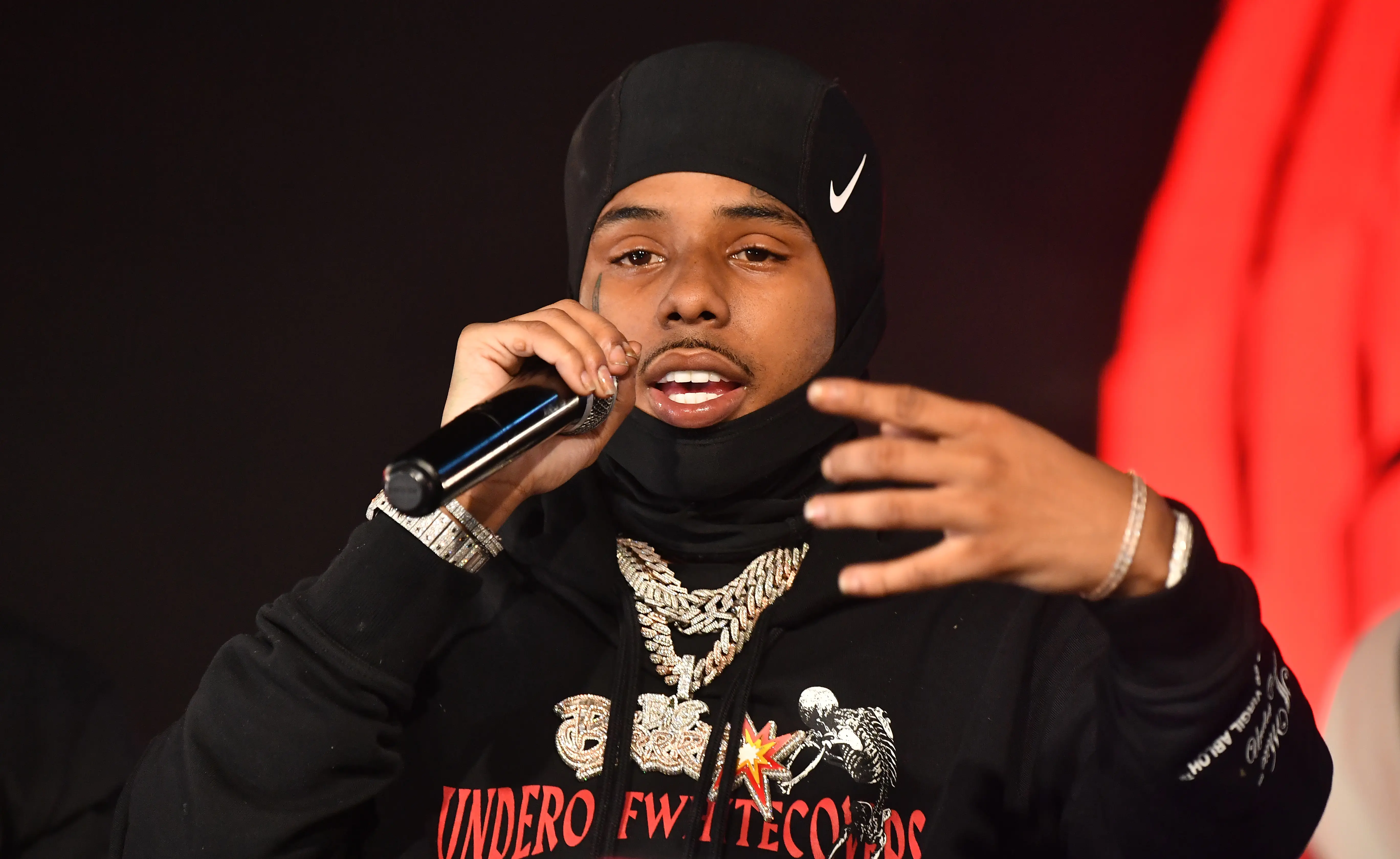
Pooh Shiesty lost about 30 pounds during solitary confinement at a Texas jail, his attorney says, describing disrupted sleep and restricted family contact. The claims concern his treatment at Rolling Plains Regional Jail in Haskell, where the Memphis rapper has been held awaiting trial. They deserve scrutiny without being mistaken for independently verified medical findings.
Attorney Kent Schaffer described those conditions to KTXS News in a report published Nov. 17, according to XXL’s account of the reporting. “His sleep patterns were way off. He had lost about 30 pounds,” Schaffer told the outlet. He also said limited contact through short video visits was wearing Shiesty down mentally. Those are specific allegations about his health, not simply complaints about being locked up.
Schaffer traced the trouble to an alleged incident involving a jail tablet at Kaufman County Detention Center. He said officials transferred Shiesty to Rolling Plains in July instead of simply removing tablet access. According to the attorney, solitary confinement began immediately upon arrival. XXL’s post sharing the story appears below.
The reporting behind that post leaves a central dispute unresolved: whether isolation was necessary for safety. Schaffer said officials described it as protection, an explanation he rejects. He also said three inmates tried to reach the solitary housing area for Shiesty’s autograph. That account suggests unwanted attention, but it does not independently establish either a threat or a justification for prolonged isolation.
A court development offers a separate piece of the picture. U.S. District Judge David C. Godbey reportedly granted an emergency defense motion on Nov. 10 to move Shiesty out of Rolling Plains. The reporting does not establish when that transfer will happen. His previous attorney, Bradford Cohen, offered an update about solitary confinement in the Nov. 12 post below.
Cohen’s post said Shiesty was “finally out of solitary” and challenged the treatment of someone awaiting trial. “He's presumed innocent, and the government still hasn't explained the holes in its case,” he wrote. That is a defense position, not a finding about the prosecution’s evidence. Leaving solitary and leaving Rolling Plains are also different developments. The available reporting does not confirm that both have happened.
Shiesty’s trial is scheduled to begin Feb. 22, 2027. He, his father, Big30 and six other men face federal charges connected to an alleged Jan. 10 robbery and kidnapping involving Gucci Mane and others at a Dallas recording studio. Those accusations are serious. They are also accusations, not convictions in this case, and neither fandom nor disgust should erase that distinction.
A jail cell should not become an extra sentence before a verdict.
PVN’s position is straightforward: the reported health changes matter regardless of how anyone feels about the charges. A jail cell should not become an extra sentence before a verdict. If Schaffer’s account is accurate, the personal cost includes lost weight, broken sleep and diminished contact with family. None of those conditions helps the public determine what happened inside that Dallas studio.
The system’s explanation needs more than the word protection. Schaffer says his client showed no violence while incarcerated and posed no danger to himself or other inmates. Those claims require assessment alongside the facility’s reasoning, not automatic acceptance from either side. What specific risk required isolation, and how was that decision reviewed? Schaffer explains his objections in the interview below.
The interview presents the attorney’s account, including a family visitation dispute that deserves attention beyond the weight loss headline. Schaffer said Shiesty’s relatives make an 18 hour round trip for an hourlong visit twice a month. He accused the jail of failing to follow U.S. Marshals Service visitation protocols. “In reality, it wasn't being followed,” he told KTXS News. The supplied reporting does not include the protocol itself or an agency response.
For Black readers watching another rapper’s court case become daily content, the family detail should interrupt the scrolling. An 18 hour drive demands time, transportation and resources before anyone reaches the visiting room. PVN sees a class issue there: access on paper can still carry a steep practical price. That observation does not prove racial discrimination here. It does challenge the habit of treating every burden around incarceration as the defendant’s alone.
Celebrity creates another complication. Schaffer’s autograph account suggests that Shiesty’s name attracts attention even inside detention. That may present management problems, but fame cannot answer every question about how those problems get handled. The public accounting standard should travel across institutions. Whether examining Markwayne Mullin’s LSU trip or a jail’s confinement decision, official explanations should be specific enough to check.
Fans have a responsibility here, too. Concern for Shiesty’s health does not require declaring him innocent, attacking alleged victims or treating defense statements as settled evidence. The same discipline belongs in coverage of the evidence questions surrounding the Avery Diblik Kennesaw crash. Support can mean demanding fair treatment while leaving factual disputes open. Loyalty that needs every uncomfortable fact removed is not accountability.
The music business angle also calls for restraint. Nothing in this reporting establishes a label decision, a contract dispute or a release strategy tied to Shiesty’s detention. Turning his reported weight loss into comeback promotion would miss the actual stakes. Before anyone starts measuring career momentum, there are basic questions about his condition and access to family. An artist’s visibility should help those questions reach people, not replace them with rollout speculation.
Advertisement
Next comes confirmation: whether Shiesty remains out of solitary, when the ordered transfer occurs and what conditions follow him to another facility. His defense account needs to be weighed against records and responses that the supplied coverage does not provide. February’s trial concerns the federal allegations. The treatment of a person awaiting that trial deserves attention now. A court date should not be the first day his well being counts.
More from PowerVault Network:
